

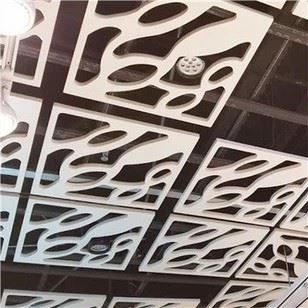
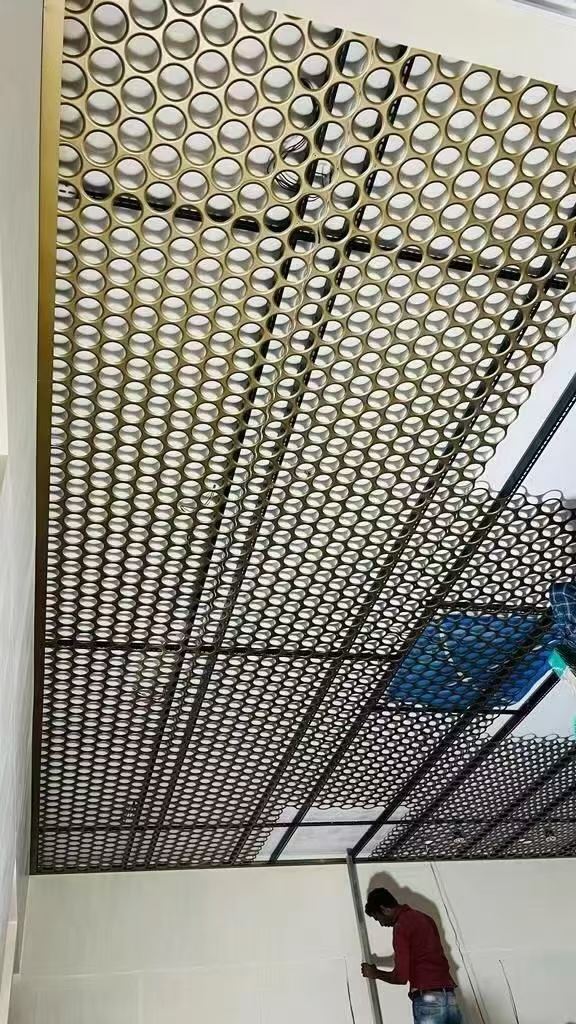
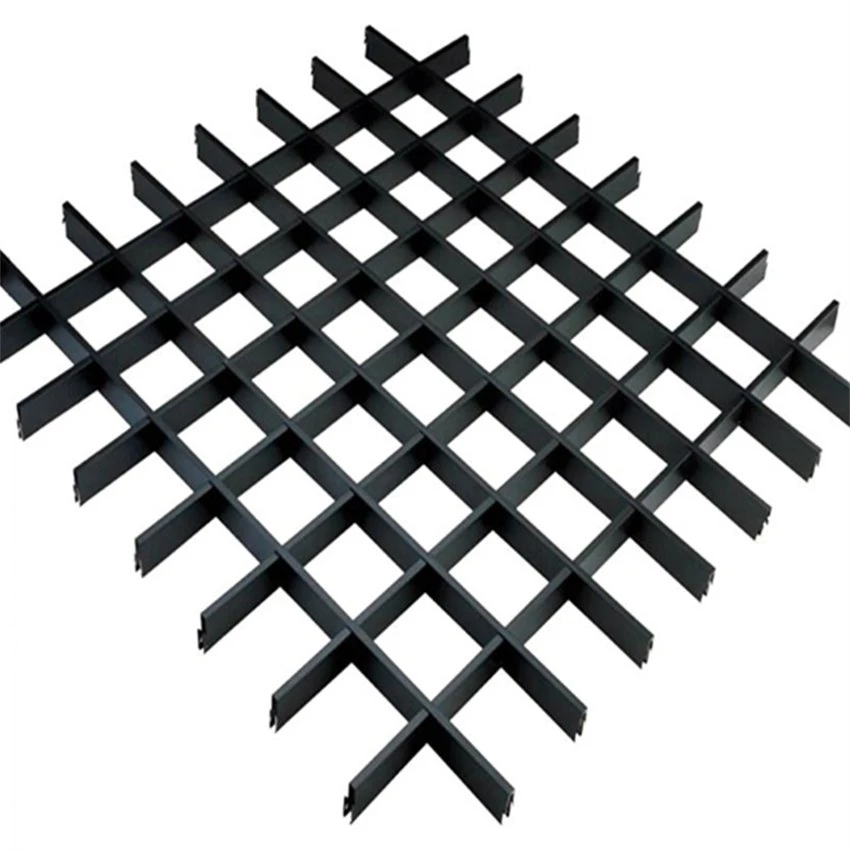
An aluminum grille ceiling is a type of ceiling system characterized by aluminum grille panels suspended from a framework of metal channels or wires. These panels are typically constructed from lightweight aluminum materials and feature a grid-like pattern of bars or slats, creating an open, ventilated design. Aluminum grille ceilings are commonly used in commercial and industrial settings where ventilation, airflow, and aesthetic appeal are important considerations. They provide a modern and contemporary look to interior spaces while allowing for efficient air circulation and heat dissipation.
Advantages of Aluminum Grille Ceiling
Durability and longevity
Aluminum is inherently resistant to rust and corrosion, which makes aluminum grille ceilings highly durable. They can withstand exposure to moisture, humidity, and various pollutants without deteriorating, ensuring a long service life with minimal need for repairs or replacements.
Lightweight yet strong
Aluminum is a lightweight material that allows for easier installation compared to heavier materials like steel or concrete. Despite its lightness, aluminum possesses sufficient strength to support the weight of the ceiling system and any additional fixtures or equipment that may be attached to it.
Aesthetic versatility
Aluminum grille ceilings come in a variety of finishes, such as powder-coated, anodized, or painted, which can mimic the look of wood, stone, or other materials. This versatility allows designers to create visually appealing spaces that match diverse interior styles and preferences.
Thermal insulation
Some aluminum grille ceilings are designed with insulation in mind, helping to maintain comfortable indoor temperatures. By trapping air within the ceiling structure, these systems can act as a barrier against heat transfer, which can lead to reduced energy consumption for heating and cooling.
Easy maintenance
The smooth surface of aluminum grille ceilings makes them easy to clean and maintain. Dust and debris can be removed with relative ease, and the material does not absorb odors or stains, which helps in maintaining hygiene and cleanliness in environments such as hospitals, schools, and food preparation areas.
Sustainability
Aluminum is a recyclable material, which means that aluminum grille ceilings can contribute to green building practices. At the end of their lifecycle, these ceilings can be melted down and reused, reducing the demand for new raw materials and minimizing waste in landfills.


Why Choose Us
Quality control
We have professional personnel to monitor the production process, inspect the products and ensure that the final product meets the required quality level standards, guidelines and specifications.
Rich production experience
Our company has many years of production work experience. The concept of customer-oriented and win-win cooperation makes the company more mature and stronger.
One-stop solution
We can offer a range of services, from consultation and advice to product design and delivery. It is a convenience for the customers, as they can get all the help they need in one place.
24H online service
Our terms of work have always been fixed within the work process and one can be assured about the guarantee of the work as we are there 24/7 business hours during the time your project is being worked is on.
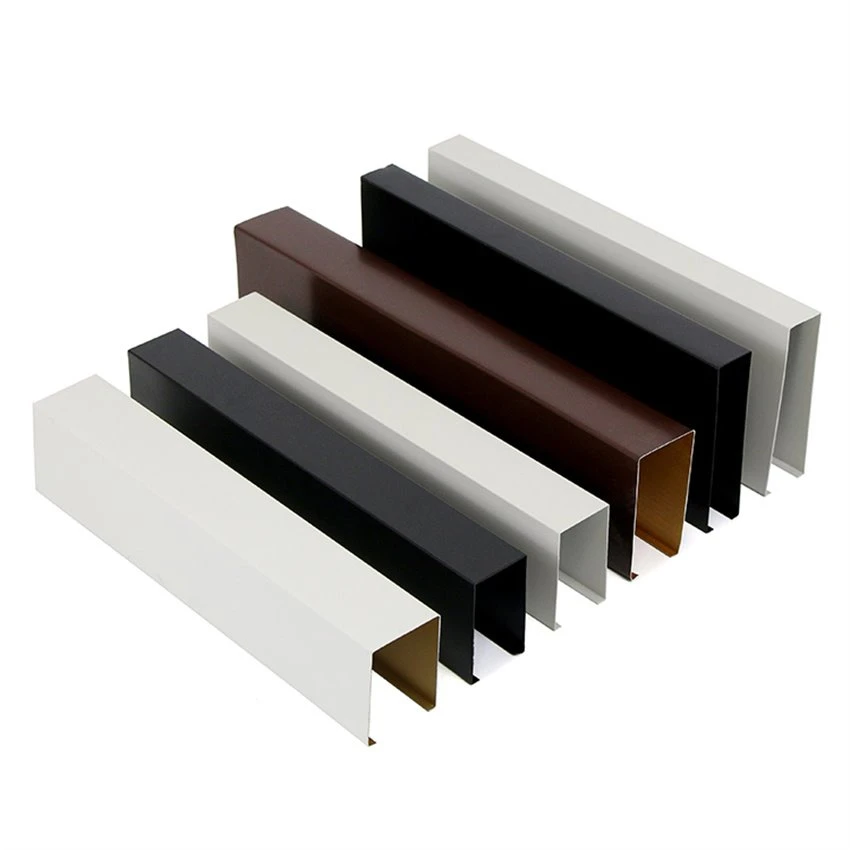
Aluminum grille ceilings contribute to ventilation in a space by facilitating airflow and air exchange. The open, grid-like design of the grille panels allows air to circulate freely, promoting natural ventilation and helping to maintain optimal indoor air quality. As air moves through the grille openings, it can dissipate heat, remove stale air, and introduce fresh air into the space, creating a more comfortable environment for occupants. Aluminum grille ceilings can be integrated with HVAC systems or exhaust fans to further enhance ventilation efficiency, making them a versatile solution for improving indoor air circulation and comfort in various building environments.
Aluminum grille ceilings offer acoustic properties that contribute to controlling sound within a space. The open grid-like design of the grille panels allows sound waves to penetrate through, reducing reverberation and minimizing echoes. Some aluminum grille ceiling systems can be combined with acoustic insulation materials or sound-absorbing backings to enhance their acoustic performance further.
How to Install Aluminum Grille Ceiling
Preparation
Begin by preparing the installation area, ensuring that the ceiling surface is clean, level, and free from any obstructions. Measure the dimensions of the ceiling area and mark the locations for the suspension points.
Framework installation
Install the framework for the aluminum grille ceiling using metal channels or wires suspended from the ceiling structure. Secure the channels or wires at regular intervals to ensure adequate support for the grille panels.
Panel layout
Determine the layout of the aluminum grille panels based on the dimensions of the ceiling area and the desired pattern or design. Adjust the panel layout as needed to accommodate lighting fixtures, HVAC equipment, and other ceiling-mounted components.
Panel installation
Install the aluminum grille panels onto the framework by attaching them securely using screws or clips. Ensure that the panels are aligned properly and spaced evenly to create a uniform appearance.
Trim installation
Install perimeter trim or edge molding around the perimeter of the ceiling area to provide a finished look and conceal any exposed edges of the grille panels. Secure the trim in place using appropriate fasteners or adhesive.
Integration of fixtures
If applicable, integrate lighting fixtures, air diffusers, sprinklers, and other ceiling-mounted components into the aluminum grille ceiling. Follow manufacturer instructions for proper installation and compatibility with the grille system.
Final adjustments
Once all panels and fixtures are installed, make any final adjustments to ensure that the aluminum grille ceiling is level, properly aligned, and free from any visible defects or inconsistencies.
Testing
Test the functionality of any integrated fixtures, such as lighting or HVAC equipment, to ensure proper operation. Make any necessary adjustments or repairs as needed to address any issues.

Are Aluminum Grille Ceilings Easy to Install?
Aluminum grille ceilings are generally straightforward to install due to their lightweight construction and modular design. The grille panels are typically suspended from a framework using simple installation methods, such as clips or hooks, which allows for efficient and cost-effective installation. The lightweight nature of aluminum grille panels makes them easy to handle and maneuver during the installation process, reducing the need for heavy lifting equipment. The ease of installation of aluminum grille ceilings can help streamline construction timelines and minimize labor costs for both new construction and renovation projects.
Are Aluminum Grille Ceilings Compatible With Other Ceiling Systems or Components?
These ceilings can be seamlessly combined with lighting fixtures, HVAC vents, sprinklers, and other ceiling-mounted equipment without compromising functionality or aesthetic appeal. Compatibility with other ceiling systems allows for comprehensive solutions tailored to the specific requirements of each space, whether it's an office, retail store, or educational facility. Aluminum grille ceilings can be integrated with acoustic panels or insulation materials to enhance sound absorption and thermal performance as needed.
Are Aluminum Grille Ceilings Fire-Resistant?
Aluminum grille ceilings are typically fire-resistant due to the inherent properties of aluminum as a non-combustible material. Aluminum has a high melting point and does not contribute to the spread of flames, making it suitable for use in fire-sensitive environments. Aluminum grille ceilings can be treated with fire-retardant coatings or finishes to further enhance their fire resistance. These ceilings can help contain fires and prevent them from spreading rapidly, providing valuable time for evacuation and firefighting efforts in case of an emergency.
Can Aluminum Grille Ceilings be Installed in Curved or Irregular Spaces?
Aluminum grille ceilings can be installed in curved or irregular spaces, providing design flexibility and versatility. The lightweight and flexible nature of aluminum materials allows for the fabrication of grille panels that can conform to various curved or irregular surfaces, including vaulted ceilings, domes, and architectural features. Specialized installation techniques and hardware can be employed to accommodate the unique geometry of curved or irregular spaces, ensuring a seamless and aesthetically pleasing finish. This capability makes aluminum grille ceilings suitable for a wide range of architectural designs and interior environments, enhancing visual appeal while maintaining functionality and performance.
How to Choose Aluminum Grille Ceiling
Consider functionality
Determine the functional requirements of the ceiling, such as ventilation, acoustic performance, lighting integration, and maintenance access. Choose a grille design and layout that aligns with these functional needs.
Durability and maintenance
Evaluate the durability and maintenance requirements of the aluminum grille ceiling. Look for high-quality materials and finishes that are resistant to corrosion, wear, and damage. Consider ease of cleaning and maintenance to ensure long-term performance.
Check acoustic performance
If acoustic comfort is important, select an aluminum grille ceiling with acoustic properties that help reduce noise levels and control reverberation in the space. Look for grille designs and materials specifically engineered for acoustic performance.
Consider sustainability
Choose an aluminum grille ceiling that aligns with sustainability goals and environmental standards. Look for products made from recycled materials, with low VOC emissions, and that contribute to LEED certification or green building initiatives.

Can Aluminum Grille Ceilings be Installed in Areas With High Humidity or Moisture Levels?
Aluminum grille ceilings can be installed in areas with high humidity or moisture levels due to their inherent resistance to corrosion and moisture damage. The lightweight and non-corrosive nature of aluminum make it an ideal material choice for environments prone to humidity, such as swimming pools, spas, bathrooms, and indoor recreational areas. The open grid-like design of aluminum grille ceilings facilitates airflow and ventilation, which can help mitigate moisture buildup and prevent the growth of mold or mildew. It's essential to ensure proper installation and maintenance practices to maximize the longevity and performance of aluminum grille ceilings in humid environments. Regular cleaning and inspection can help prevent the accumulation of dirt or debris that could potentially impact airflow and contribute to moisture-related issues.
Material of Aluminum Grille Ceiling
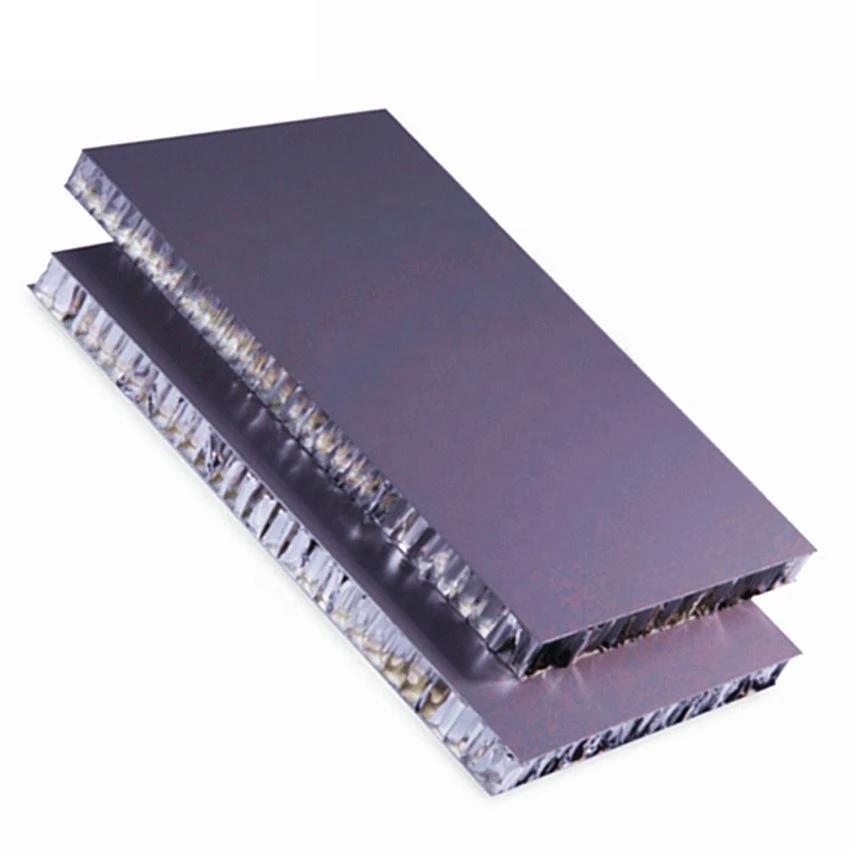
The material used in aluminum grille ceilings is primarily aluminum, renowned for its lightweight properties, durability, and corrosion resistance. These ceilings typically consist of aluminum bars or slats arranged in a grid-like pattern, providing an open and ventilated design. Aluminum's versatility allows for various grille patterns, shapes, and finishes, enabling architects and designers to achieve a wide range of aesthetic options. The use of aluminum ensures structural integrity while allowing for easy handling, installation, and maintenance of the grille ceiling system.
Application of Aluminum Grille Ceiling
Commercial buildings
Aluminum grille ceilings are frequently installed in commercial buildings such as offices, retail stores, shopping malls, and restaurants. They provide a modern and stylish appearance while offering practical benefits such as ventilation and acoustic control.
Transportation hubs
Airports, train stations, and bus terminals often feature aluminum grille ceilings due to their ability to accommodate large spaces while maintaining airflow and ventilation. Additionally, their lightweight construction makes them suitable for installation in transportation hubs with strict weight requirements.
Educational facilities
Schools, colleges, and universities utilize aluminum grille ceilings in classrooms, auditoriums, and lecture halls to improve indoor air quality and acoustic performance. The open design of the grilles allows for efficient air circulation, creating a comfortable learning environment.
Hospitality spaces
Hotels, resorts, and convention centers often incorporate aluminum grille ceilings in lobbies, banquet halls, and conference rooms to enhance the visual appeal of the space while providing practical benefits such as ventilation and acoustic control.
Recreational facilities
Aluminum grille ceilings are suitable for use in recreational facilities such as gyms, sports complexes, and community centers. The open design of the grilles allows for efficient air circulation, which is essential for maintaining comfort during physical activity.
Cultural and entertainment venues
Theatres, museums, and concert halls utilize aluminum grille ceilings to create visually striking interiors while ensuring adequate airflow and ventilation for patrons. The acoustic properties of the grilles also contribute to an optimal sound environment for performances and exhibitions.
What Finishes are Available for Aluminum Grille Ceilings?
Common finishes include powder coating, which provides a durable and vibrant color finish that is resistant to fading, chipping, and scratching. Anodizing is another option, which involves electrochemically treating the aluminum to create a protective oxide layer, resulting in a sleek metallic appearance with enhanced durability and corrosion resistance. Aluminum grille ceilings can be finished with laminates or veneers to mimic the look of wood, stone, or other materials, offering versatility in design while maintaining the benefits of aluminum construction.
Components of Aluminum Grille Ceiling
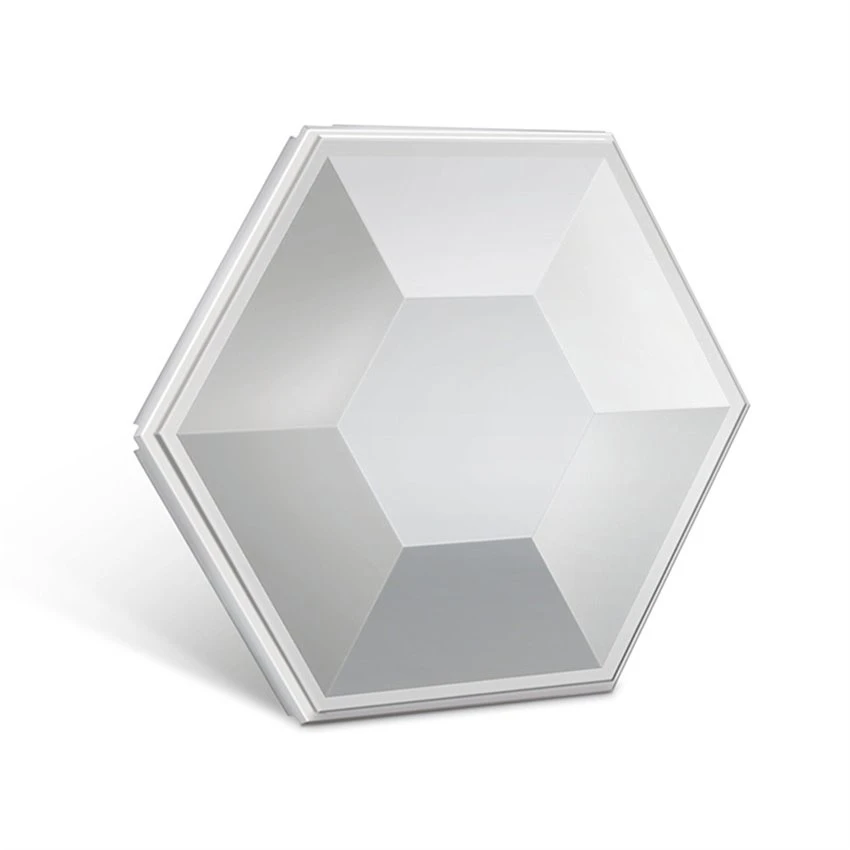
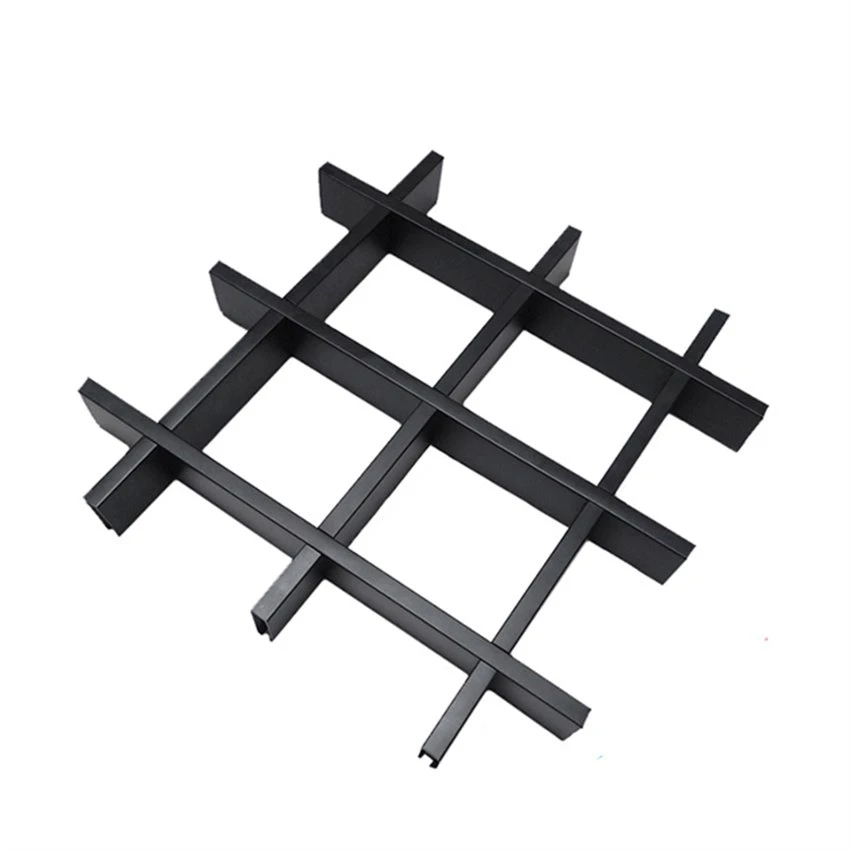
The components of an aluminum grille ceiling typically include aluminum grille panels, suspension wires or channels, and mounting hardware. The grille panels are the primary visual element, featuring a grid-like pattern of aluminum bars or slats arranged in a modular layout. These panels are suspended from the ceiling structure using wires or channels, allowing for adjustable height and alignment. Mounting hardware, such as clips or brackets, secure the grille panels to the suspension system. Optional accessories like edge trim, corner pieces, and integrated lighting fixtures may be included to enhance the functionality and aesthetics of the ceiling system.
Do Aluminum Grille Ceilings Require Special Tools or Equipment for Installation?
Installation of aluminum grille ceilings typically does not require special tools or equipment beyond standard construction tools such as drills, screwdrivers, levels, and cutting tools. The lightweight nature of aluminum grille panels simplifies handling and installation, reducing the need for heavy lifting equipment. Specialized tools may be necessary for cutting or shaping panels to fit specific dimensions or to accommodate lighting fixtures and other accessories. Safety equipment such as ladders or scaffolding may be required for working at elevated heights during installation. The installation process for aluminum grille ceilings is relatively straightforward and can be completed using commonly available tools and equipment.
Maintenance Tips for Aluminum Grille Ceiling
Regular cleaning
Dust and debris can accumulate on the surface of aluminum grille ceilings over time, affecting their appearance. Regularly clean the ceiling with a soft brush or vacuum cleaner to remove loose dirt and particles.
Use mild cleaners
When cleaning aluminum grille ceilings, use mild, non-abrasive cleaners and lukewarm water to avoid damaging the finish. Avoid harsh chemicals or abrasive cleaning pads that could scratch or corrode the aluminum surface.
Inspect ventilation systems
If the aluminum grille ceiling is used for ventilation purposes, periodically inspect and clean the ventilation systems to ensure optimal airflow and performance.
Avoid water damage
Aluminum grille ceilings are resistant to moisture and humidity, but excessive exposure to water could cause discoloration or corrosion over time. Avoid using excessive amounts of water during cleaning and promptly dry any wet areas.
Inspect for damage
Periodically inspect the aluminum grille ceiling for any signs of damage, such as dents, scratches, or corrosion. Address any issues promptly to prevent further deterioration and maintain the integrity of the ceiling.
Check fastenings
Ensure that the aluminum grille panels are securely fastened to the ceiling framework. Loose panels or fastenings should be tightened or replaced to prevent sagging or detachment.
Precautions When Installing Aluminum Grille Ceiling
Ensure proper support structure
Ensure proper alignment
Secure panels adequately
Check for level and plumb
Consider electrical wiring and fixtures
Inspect for defects or damage
How to Make Aluminum Grille Ceiling?
To make an aluminum grille ceiling, start by cutting aluminum bars or slats to the desired length using a saw or cutting tool. Next, arrange the bars or slats in a grid-like pattern, ensuring uniform spacing and alignment. Secure the bars or slats together using rivets, screws, or welding, depending on the chosen assembly method. Once the grille panel is assembled, attach it to a framework of metal channels or wires suspended from the ceiling structure using appropriate fasteners. Ensure that the grille panels are installed securely and evenly spaced to create a cohesive and visually appealing ceiling design. Finally, integrate any lighting fixtures, HVAC equipment, or other ceiling-mounted components as needed, and perform any final adjustments or finishing touches to complete the aluminum grille ceiling installation.
Our Factory
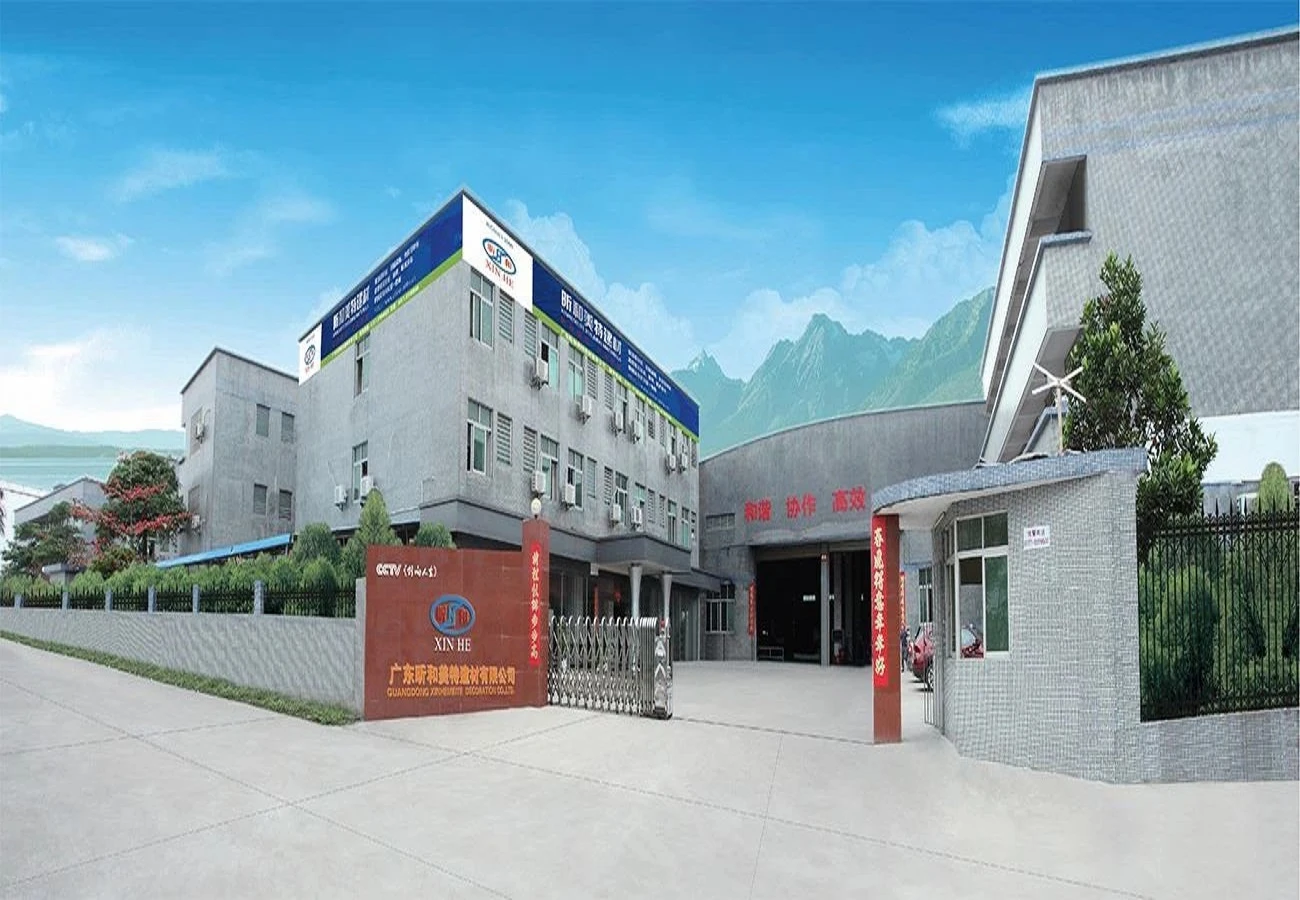
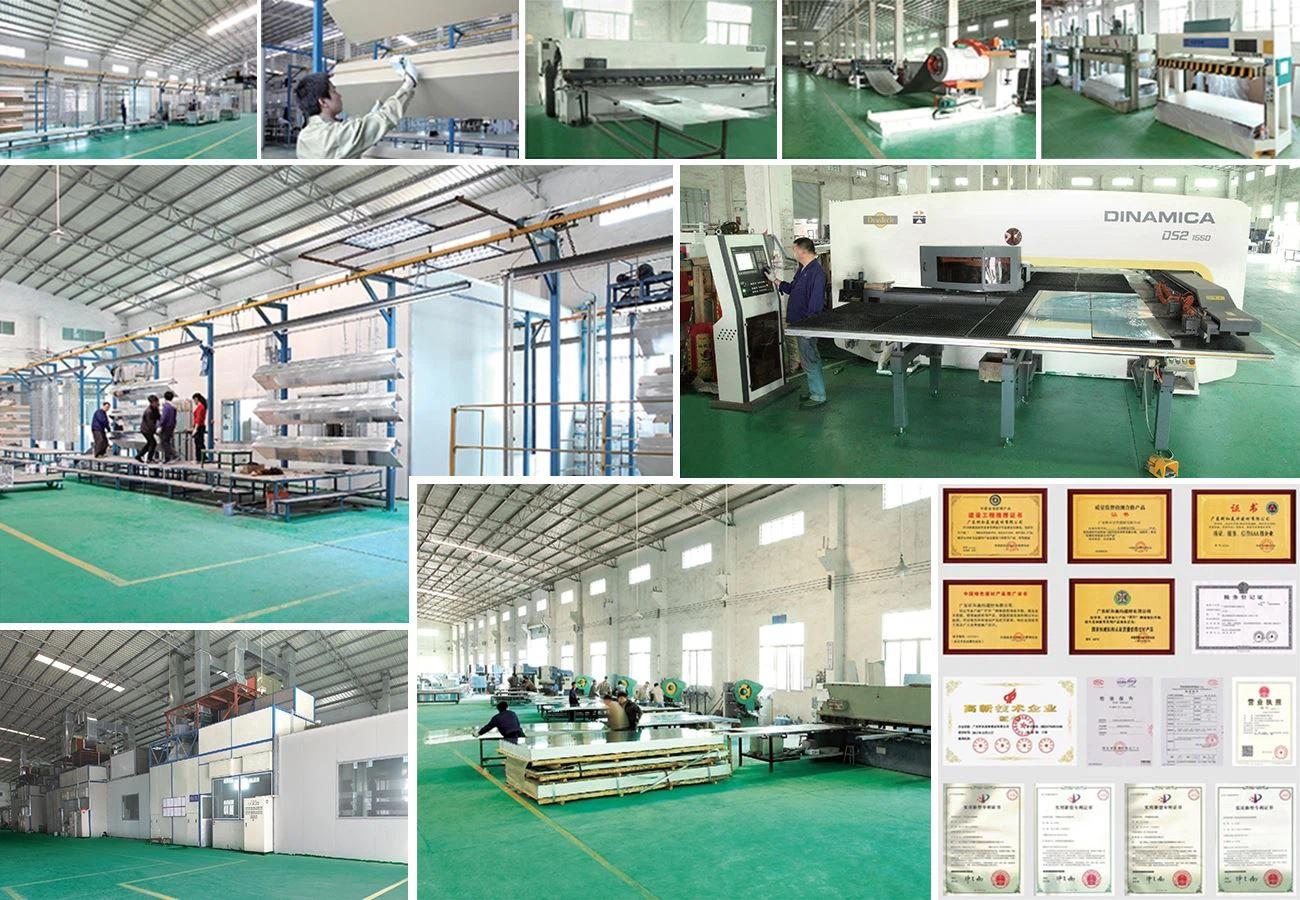
Headquartered in Foshan, China, Guangdong Xinhemate Building Materials Co., Ltd ('Xinhe') implements its engineering excellence through a wide range of customized interior and exterior products and services: Ceilings and claddings, facade and canopies. Equipped with advanced computer numeric control (CNC) machines that imported from German and Swizz, these facilities and people ensure complex design specifications are implemented as per schedule. Xinhe is always doing her best to meet the increasing needs and requirements of the global building and construction industry.
FAQ
Q: What is an aluminum grille ceiling, and how does it differ from other ceiling types?
Q: What are the main components of an aluminum grille ceiling system?
Q: What are the advantages of installing an aluminum grille ceiling?
Q: Where are aluminum grille ceilings commonly used?
Q: How do aluminum grille ceilings contribute to ventilation in a space?
Q: Do aluminum grille ceilings have any acoustic properties?
Q: Can aluminum grille ceilings be customized in terms of design and appearance?
Q: What finishes are available for aluminum grille ceilings?
Q: Are aluminum grille ceilings easy to install?
Q: How are aluminum grille ceilings cleaned and maintained?
Q: Do aluminum grille ceilings require special tools or equipment for installation?
Q: Are aluminum grille ceilings compatible with other ceiling systems or components?
Q: Can lighting fixtures or HVAC equipment be integrated into aluminum grille ceilings?
Q: What is the typical lifespan of an aluminum grille ceiling?
Q: Are aluminum grille ceilings fire-resistant?
Q: Can aluminum grille ceilings be installed in areas with high humidity or moisture levels?
Q: Can aluminum grille ceilings be installed in curved or irregular spaces?
Q: Are aluminum grille ceilings suitable for retrofitting existing buildings?
Q: How do I choose the right aluminum grille ceiling for my project?
Q: What are the environmental benefits of using aluminum grille ceilings?