

Xinhemate Building Materials Co., Ltd. is a professional company that produces curtain wall aluminum veneers, special-shaped ceilings, styling decorative materials and metal spraying. It provides one-stop services in production, design and installation.
Technical Support
Our in-house technical department comprises architects, engineers, & planners who are always ready to make your project a dream come true by providing unconditional technical support.
Rich Experience
We have more than 25 years of experience in aluminum panels production, export and end applications. We have clients in more than 100 countries around the world to understand the needs of our customers and provide you with the perfect solution.
Consistent Durability
Our products have been widely used in the large and landmark construction in China and the world. Even the most brutal weather conditions do not stand a chance to threaten our aluminum panel's pliability, processability, and elongation properties.
Unrivaled Quality
We ensure that all products reflect the passion and skill we spent years developing & perfecting. We take our quality tests very seriously and provide 10-30 years of warranty on our products.
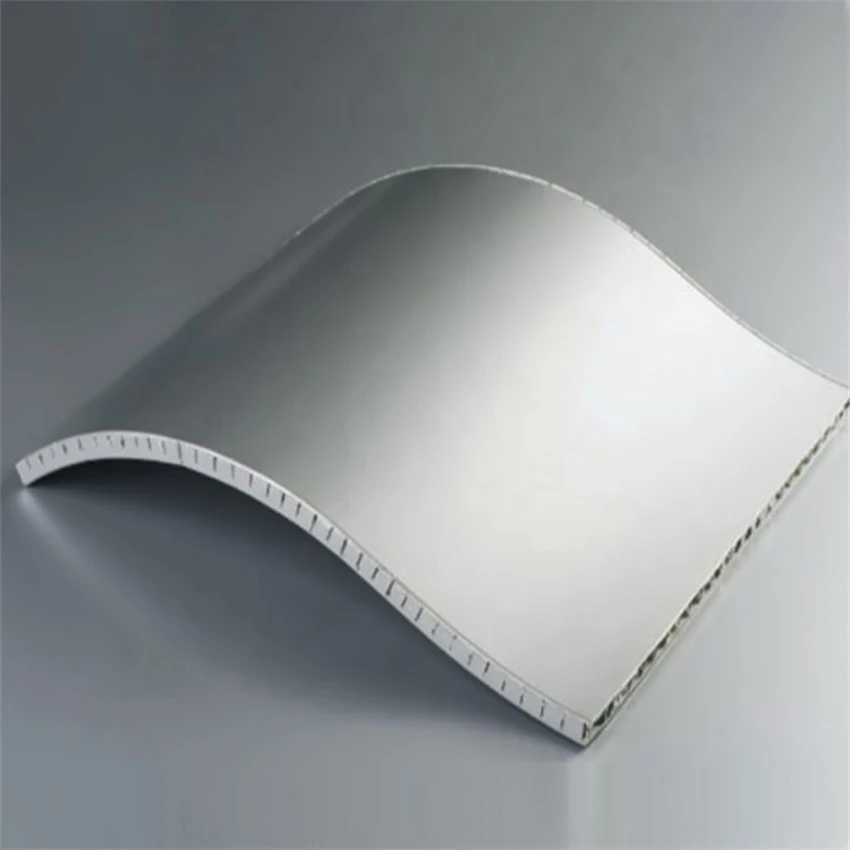
An aluminium louver is a protective window covering which allows air and light passage and keeps away rain, sunshine and controls airflow in an enclosed area or a processed system. Aluminum louver wall is made from lightweight, durable, and versatile materials. The external wall aluminum louver wall can be controlled manually or by a motor. The aluminum shutters can be printed, and there are a variety of colors and patterns to choose from. The colors are gorgeous and rich, which brings vitality to the room.
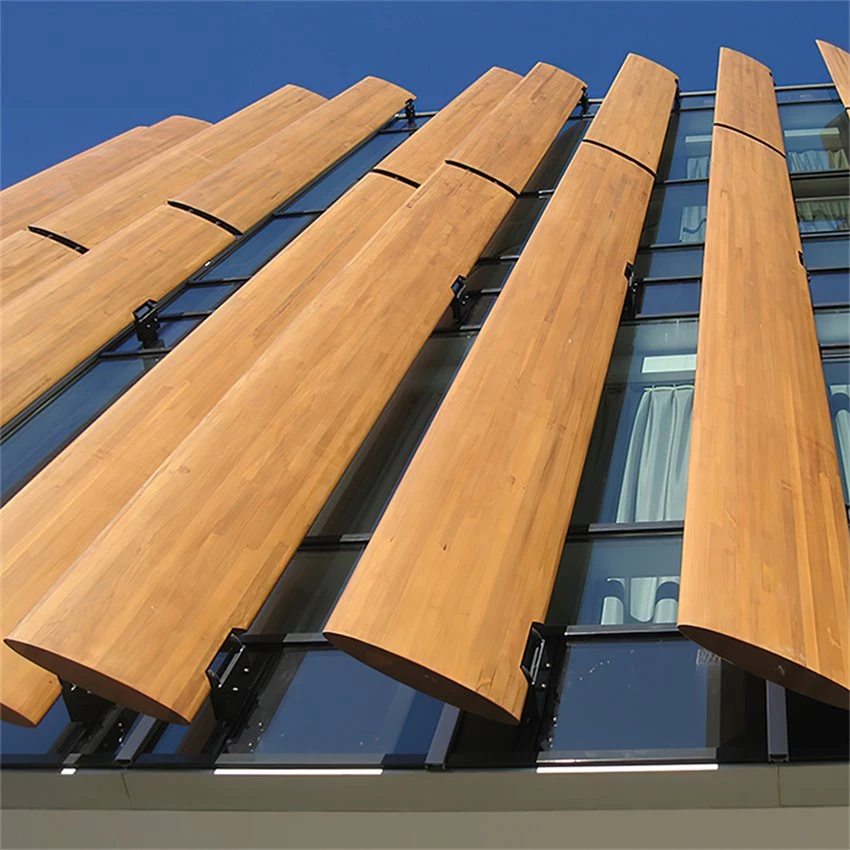
External Aluminium Louvres and Shutter
The external aluminium louvres are made of high-quality aluminum sheets, which are treated with oxidized paint to prevent corrosion and rust. The blades are made of high-quality aluminum alloy materials, with double-sided enamel baking varnish, and exquisite accessories.

Manual aluminum louvers are hollow structures, which can effectively reduce weight and make transportation very convenient.
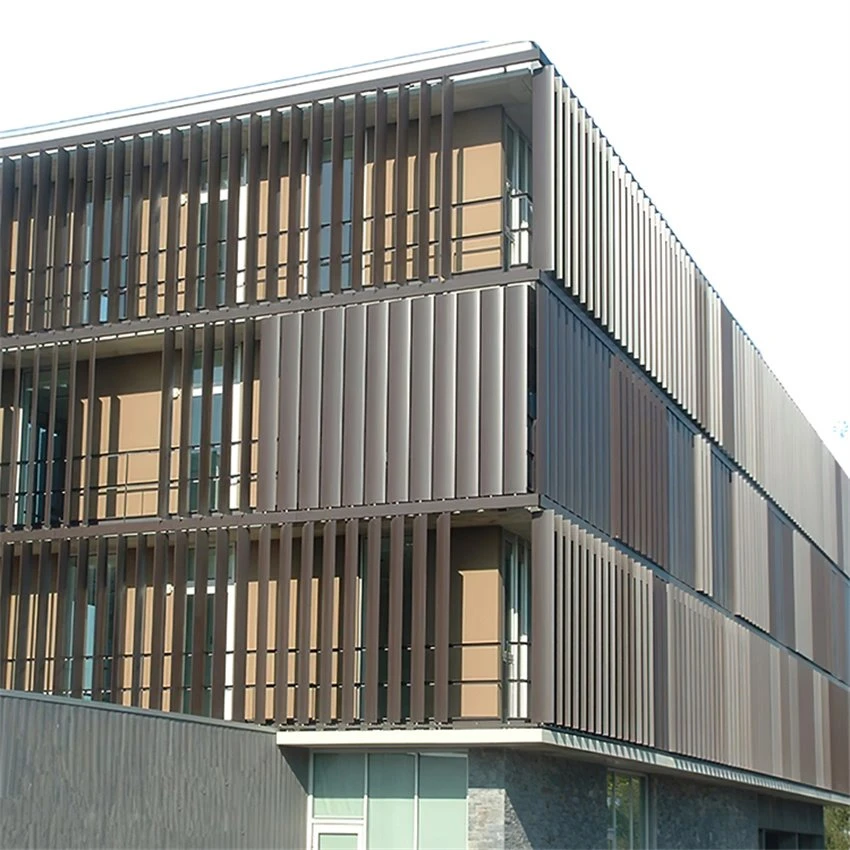
The Fixed Aluminum Louvers have good sunshade and shielding performance, are very flexible, not easy to deform, and can effectively resist ultraviolet radiation.

The aluminum window louvers are mostly hollow thin-walled sections, which are easy to use and light in weight.
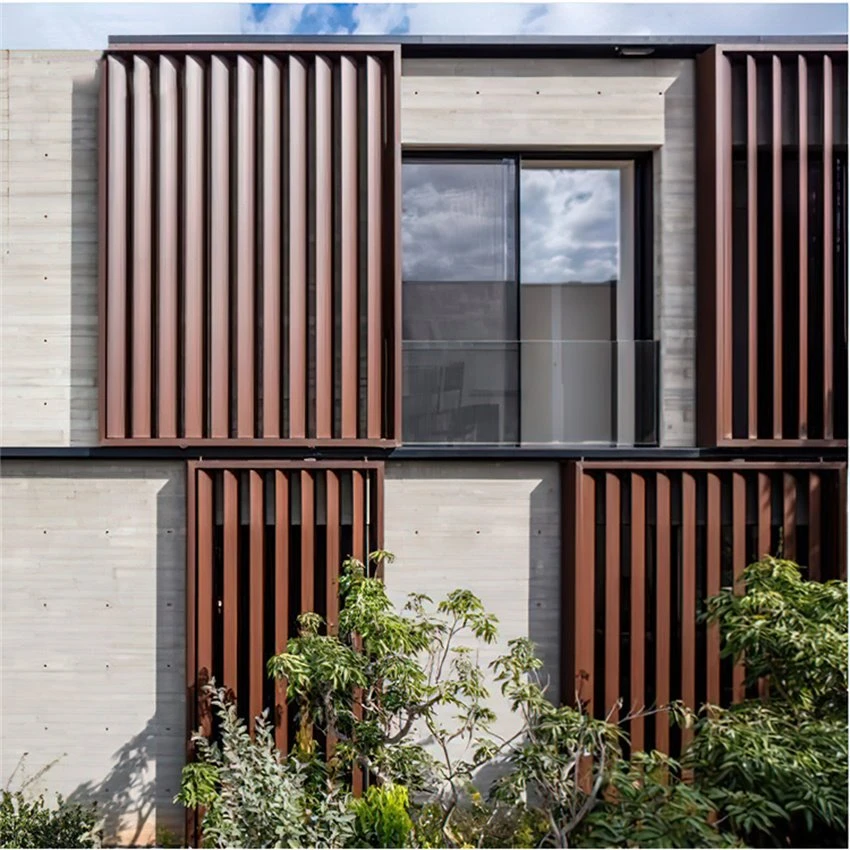
The Vertical Aluminum Louvers can be completely retracted or lowered by the control of the pull cord, and the window looks simple and generous.

The aluminium bathroom louvers can be completely retracted, the scenery outside the window is unobstructed.
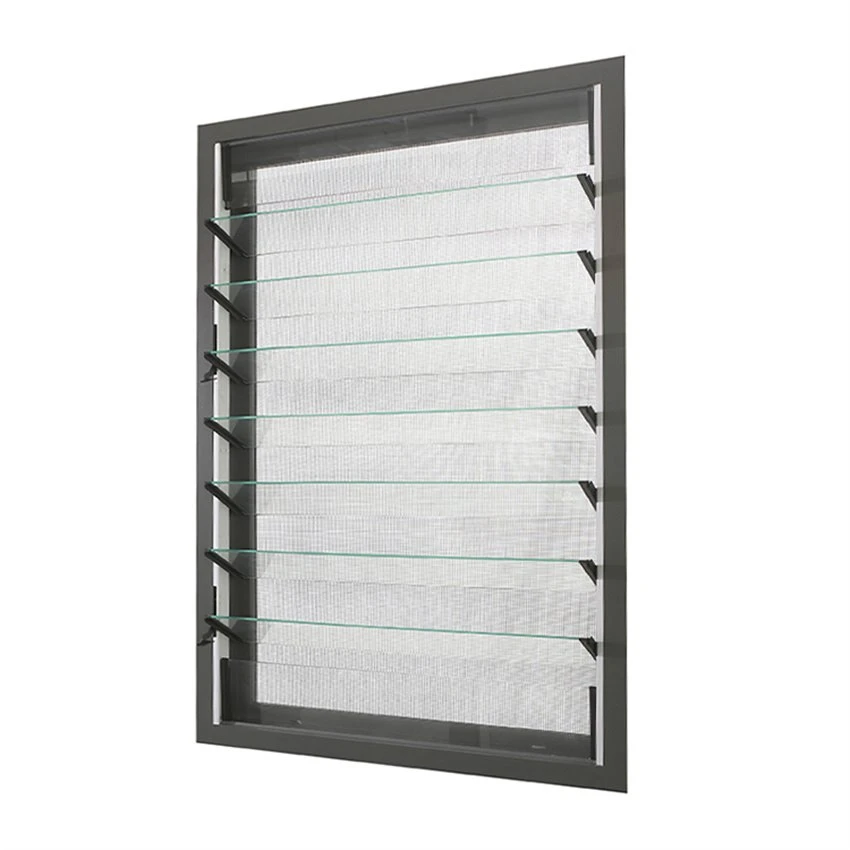
The blade can choose transparent glass material or frosted glass material, different materials can show different visual effects.
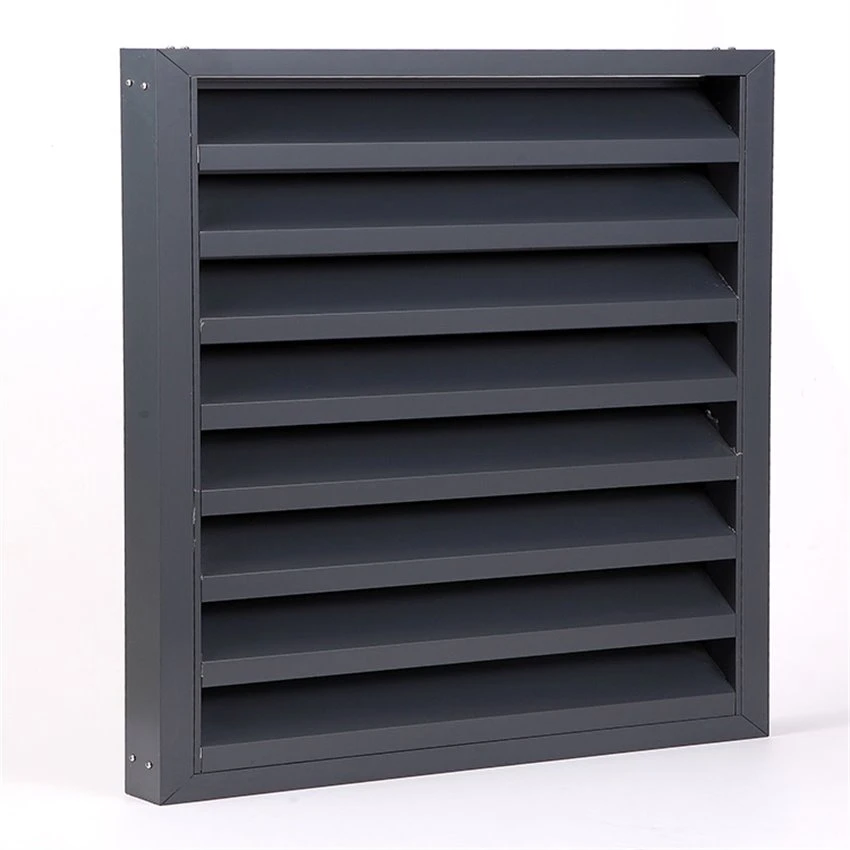
The aluminium glass louvers have the advantages of high strength, fast assembly speed and short construction period.
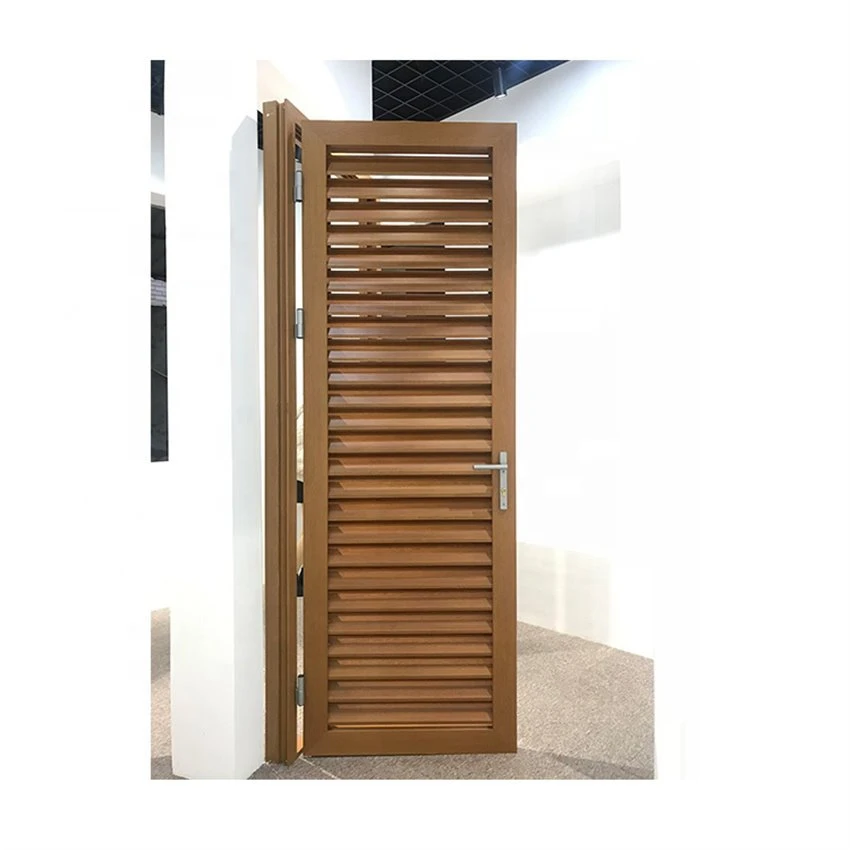
The raw materials of Horizontal Aluminium Louvres are mostly hollow thin-walled composite sections, which have the characteristics of easy to use, reduce weight.
Benefits of Aluminum Louver Wall
Aesthetically Pleasing
Our architectural louvers are designed with aesthetics in mind.
Wide Range
Our louvers are available in a wide variety of shapes, sizes, materials, finishes and coatings to meet the requirements of any project.
Enhanced and Proven Performance
Our louvers are both efficient and have a remarkably high resistance to water intrusion. Our louvers have been completely tested for air performance and water penetration.
Reduced Energy Costs
Our louvers are highly aerodynamically efficient. The low air resistance reduces the fan energy required to introduce the ventilation air into or exhaust air out of the building.
Durability
We can provide certified structural calculations when requested to ensure louver structural integrity. All architectural louvers are constructed of aluminum.
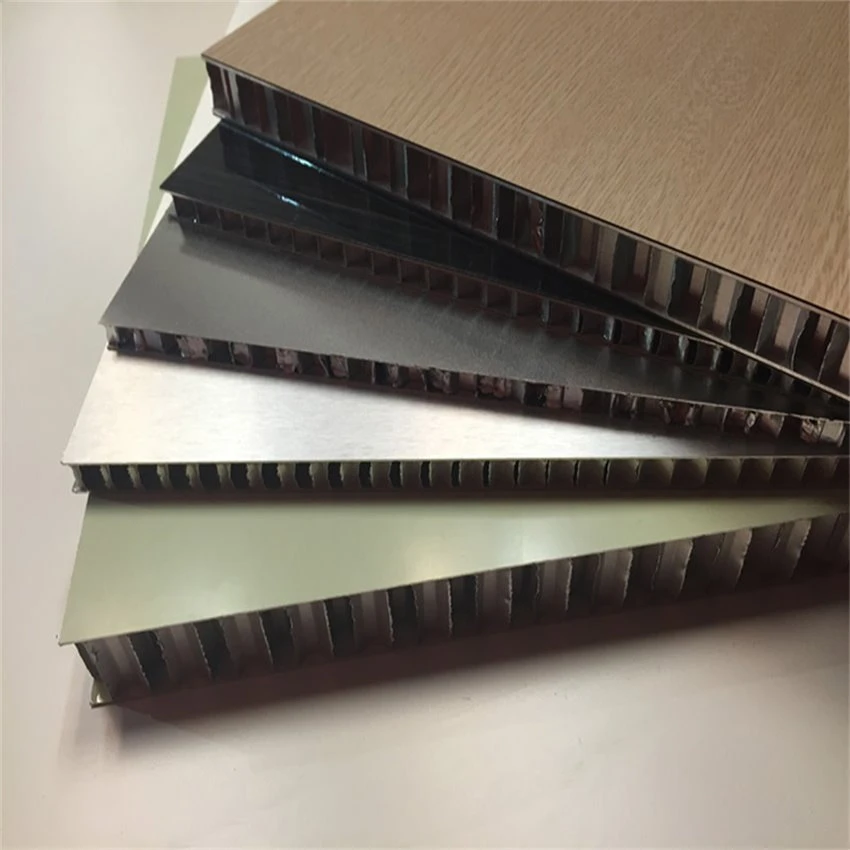
Different Applications of Aluminium louver Wall
Window & Door
Windows and doors may use aluminium louvers for their unique aesthetic appeal, robustness, and ventilation. Such louvers allow air to pass through while keeping birds and insects outside.
Contain Wall
Contain walls add to the elegance and gracefulness of your home. With aluminium louvers, it is easy to build a strong contain wall that is lightweight and can make your home look great.
Electronic Equipment
HVAC and other systems in your home may employ aluminium louvers for ventilation purposes.
Aluminum Formwork
Any complete aluminum framework needs aluminium louvers for strong support. The lightweight louvers can make it easier to transfer the framework from one place to another.
Aluminum Scaffolding
Temporary structures need to be robust but easily movable on construction sites. Using aluminium louvers for scaffolding ensures that the structure created temporarily can fulfill the purpose but can be moved to other locations when needed.
What Purpose Does Aluminium louver Wall Serve?
Ventilation
Louvers, by themselves, cannot meet all the ventilation needs that a metal building would require. However, when combined with other ventilation accessories, louvers help supply additional fresh air to your HVAC system, push out the hot, stale air, and keep your building cooler throughout the summer months. Also, the additional ventilation aid that louvers bring about mitigates moisture and reduces the likelihood of mold.
Air Quality Improvement
Did you know that poor indoor air quality can cause or directly contribute to the development of infections, lung cancer, and chronic lung diseases? By having louvers installed in your commercial building, you will be able to effectively reduce that risk. Good air circulation facilitated by the installation of louvers helps keep the following pollutants at bay:
- Carbon monoxide
- Cigarette smoke
- Asbestos
- Lead
- Pet dander
- Radon
Window Alternative
Are there certain places in your building where windows are not feasible, physically or aesthetically, but you don't want to cause any airflow reductions in the building? Louvers are the perfect answer for you!
Louvres function through fixed or operable blades attached to a frame. Their size, design, and number correspond to the louvre's functions. The blades have a unique arrangement that allows air to pass through and filters out unwanted elements. For instance, a louvre may allow air to pass through it while specifically blocking rain and debris.There are things to consider when choosing louvres to match your building and fit your needs. They include:
- Water Penetration: The point of water penetration refers to where the louvre system allows water to pass through. It involves the measurement of free area velocity indicating when the louvres will begin leaking.
- Louvre Free Area: When selecting architectural louvres, choose a system with a high percentage of free area since it allows more air to come in through a tiny opening. This reduces the costs used to open up the wall when installing louvres. Usually, the free area ranges from 35% to 60% of the wall opening.
- Airflow Resistance: Louvres can create wind resistance based on their design and the shape of their blades and frame. To learn about or measure a particular louvre's airflow resistance, you need to run air through it. Then, calculate the pressure differential and free area velocity. Once you've calculated the airflow resistance, minimising it's vital to avoid damaging the louvre.
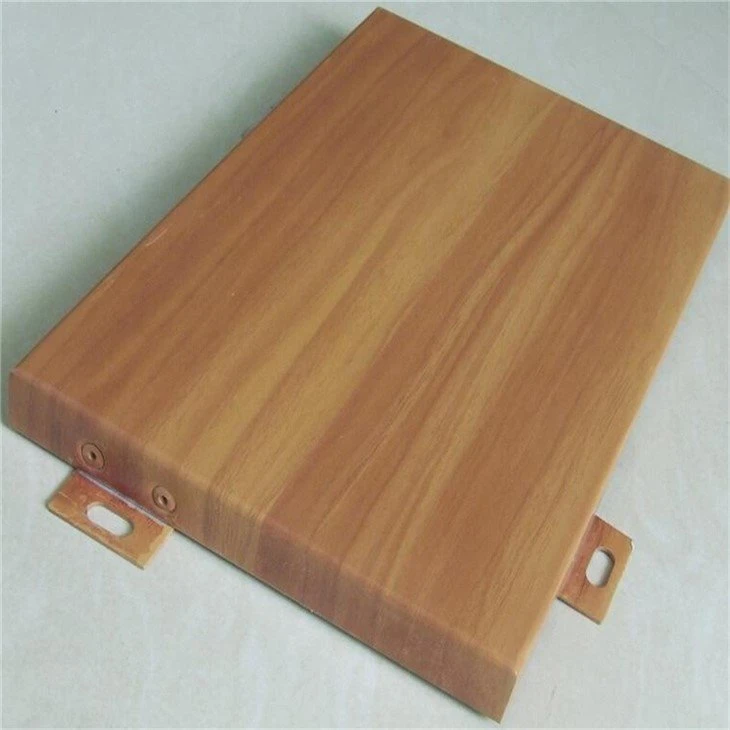
Different Types of Aluminium Louver Wall
Louvers come in a variety of shapes, sizes, and colors. The different types of louvers are determined by their application and their specific qualities and characteristics.
Industrial Louver
Function: Industrial louvers are designed to withstand extreme weather conditions, including rain, wind, and snow. Industrial louvers are usually made of metal or wood and are installed on top of a building's exterior wall.
Application: Industrial louvers are often used in warehouses and factories where there's a lot of heat generated around the area. Louvers can also be used in office buildings where there's less chance of flooding from above ground level due to runoff from nearby rivers or streams nearby such as those located near rivers or streams.
Commercial Louver
Function: Commercial louvers are generally smaller than industrial louvers but still large enough to provide adequate ventilation without being obstructed by furniture or other objects inside a room.
Application: Designed for use in high-traffic areas such as grocery stores and airports, commercial louvers are often made from metal or plastic to be cleaned quickly and last longer.
Architectural Louver
Function: Architectural louvers' primary purpose is to provide shade and privacy, allow natural light to enter a room or building, and create an aesthetically pleasing exterior wall construction.
Application: The louvers can be placed over doors, windows, or other openings in structures or facades. Architectural louvers are usually installed outside the building so that they do not interfere with interior space or function.
Why Louvers are in Market Demand?

Superior Ventilation
A well-designed interior or exterior will allow your home to breathe; no wall can do this better than the louvered wall. The principal purpose behind louvers is to allow air to circulate freely through your home. They are ideally suit for hot climates. Naturally, they close tightly to keep out the wind whenever you try to ensure that your home is not draughty.
View Uninterrupted
While louver walls might appear like shutter blinds, their main distinction is that they're construct entirely out of glass. The view from the wall will be unobstructed by wooden shutters that can only be shut and opened horizontally or swung towards the side. If privacy is a problem, You can always put in blinds or curtains without altering the view you get from your walls.
A Classic Style
Exterior Louvers interior are a part of a long background, yet they are also known to be an elegant style that isn't dated. They can give a classic design to any space regardless of how modern. They have a distinct style and design that is different from other interior or exterior walls, which also means they bring a distinct look to your room. When decorating, it's all the tiny aspects that make the difference. Louver applications are an excellent option to think outside the box when building or renovating your house.
Easy to Wash
Walls can be quite difficult to keep clean, particularly since cleaning both sides usually involves shifting between the inside and outside of your home. That's the most attraction of louvers walls.
Things to Consider When Selecting an Architectural Louver System for Your Building
Free Area
A high-percentage free area is great because it allows for more air to enter via a smaller opening, thus reducing the expenses involved in opening up the wall and installing louvers. The free areas usually range from 35% to 60% of a wall opening.
Water Penetration
The 'Point of Water Penetration' is where the louver system allows the water to pass through it. It is a measurement of free area velocity that tells us the threshold at which the louver will start leaking. For traditional louver designs, this varies from 300 fpm (feet per minute) to 1250 fpm, with the latter denoting an excellent resistance to water entrainment.
Pressure Drop (Resistance to Airflow)
Every louver will create wind resistance based on its design as well as the shape of its frame and blades, and anything that obstructs the airstream creates resistance – such as ductwork, filters, coils, the building structure itself. The louver's resistance is measured by running air through it and then calculating the pressure differential and free area velocities. It is essential to minimize this resistance where possible because it can be harmful to the louver and other air movement equipment. It is also vital to ensure lower energy consumption, as the lower the pressure, the less power will be required to operate the fan.
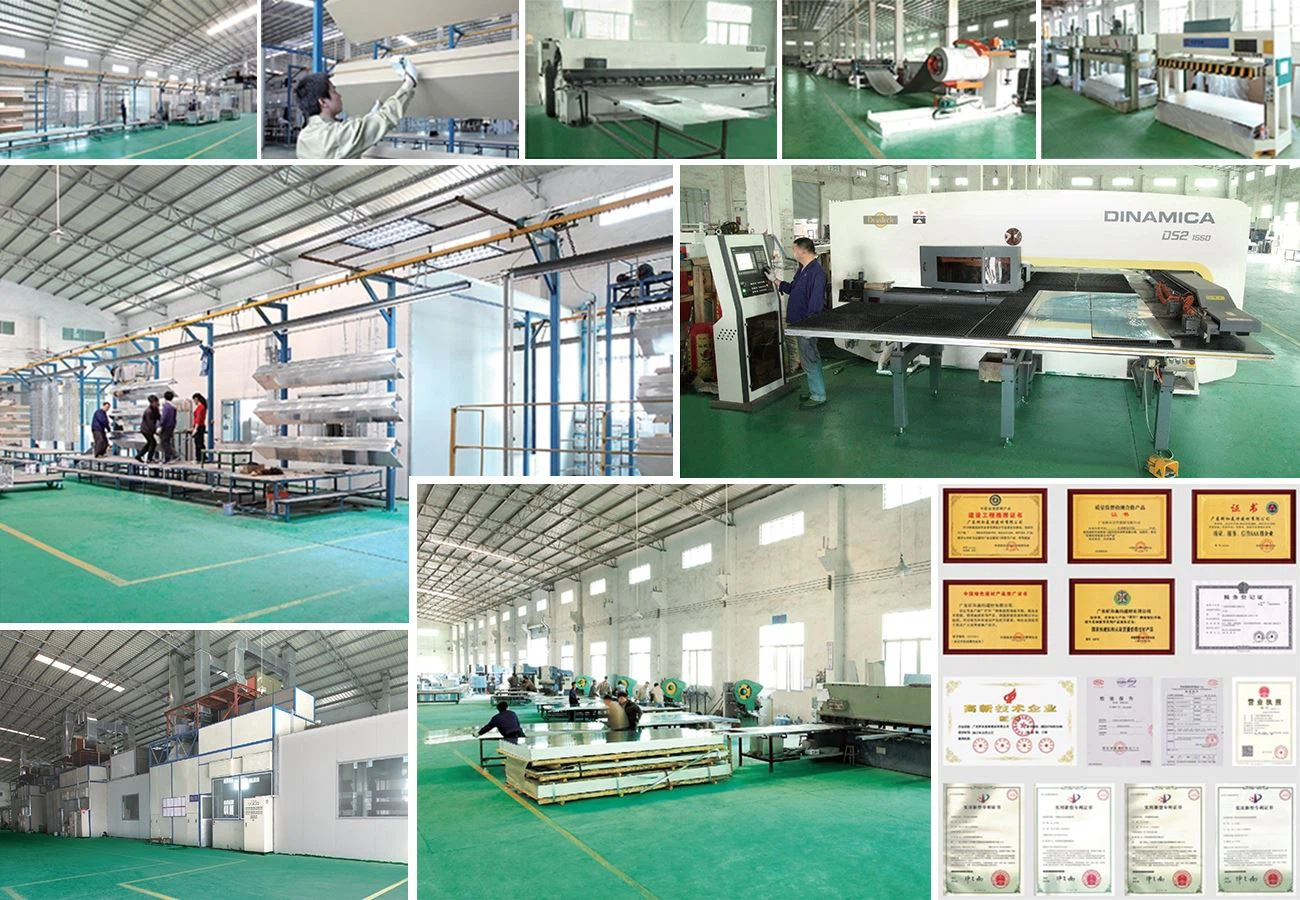
Xinhe has developed and implemented a quality management system in compliance with the ISO 9001:2008 standards.
FAQ
Q: What is an aluminum louver?
Q: What is the purpose of a wall louver?
Q: What are the benefits of aluminum louvers?
Q: What are louvres used for?
Q: What is sheet metal louvers?
Q: Why is aluminum used in building?
Q: Why is aluminum used for windows?
Q: What material is used for louvres?
Q: Where should louvers be placed?
Q: What is the minimum distance between louvers?
Q: What are the different types of louvers?
Q: What are common louver sizes?
Q: What are metal louvers made of?
Q: Why are louvers used in sheet metal?
Q: What is motorised aluminium louvres?
Q: How do motorized louvers work?
Q: What is fixed aluminum louvers?
Q: Why use aluminium in buildings?
Lightweight: Aluminium is a lightweight material, which makes it easy to transport and handle on construction sites. This property also makes it ideal for use in high-rise buildings and structures, where weight reduction is critical.
Strength: Although aluminium is lightweight, it is also very strong and durable. It has a high strength-to-weight ratio, which means that it can support heavy loads while remaining lightweight.
Corrosion-resistant: Aluminium is highly resistant to corrosion, making it ideal for use in outdoor structures and buildings that are exposed to harsh weather conditions.
Aesthetics: Aluminium is a versatile material that can be easily shaped and formed into various designs and shapes. It can also be coated or painted in a variety of colours to match the design of a building.
Sustainable: Aluminium is a sustainable material that is 100% recyclable. It can be recycled repeatedly without losing its properties, which makes it an environmentally friendly choice for building construction.
Q: What materials can be used as Louvres?
disadvantages. However, aluminium has become the most popular choice among architects due to its numerous benefits. Other materials include:
Wood: Wooden louvres offer a warm and natural look to a building's façade. They are also eco-friendly and renewable. However, they require regular maintenance and are susceptible to rot and termite damage.
Steel: Steel louvres are durable and strong, making them ideal for areas with high wind loads or extreme weather conditions. However, they are heavy and prone to corrosion, which requires regular maintenance.
Glass: Glass louvres offer a modern and sleek look to a building's façade. They allow ample natural light to enter the building and provide unobstructed views. However, they are fragile and require careful handling during installation and maintenance.
Q: What materials can be used as Louvres?
disadvantages. However, aluminium has become the most popular choice among architects due to its numerous benefits. Other materials include: Wood: Wooden louvres offer a warm and natural look to a building's façade. They are also eco-friendly and renewable. However, they require regular maintenance and are susceptible to rot and termite damage.
Steel: Steel louvres are durable and strong, making them ideal for areas with high wind loads or extreme weather conditions. However, they are heavy and prone to corrosion, which requires regular maintenance.
Glass: Glass louvres offer a modern and sleek look to a building's façade. They allow ample natural light to enter the building and provide unobstructed views. However, they are fragile and require careful handling during installation and maintenance.
Q: What is manual aluminum louvers?
Temperature control: Louvers can help maintain a comfortable temperature in both winter and summer.
Energy costs: Louvers can reduce energy costs by controlling ventilation and temperature.
Indoor air quality: Louvers can improve indoor air quality.
Privacy: Louvers can protect your privacy without compromising on aesthetics.
Building look: Louvers can help architects create a distinctive look for the building surface.