

Common aluminum profile surface treatment methods
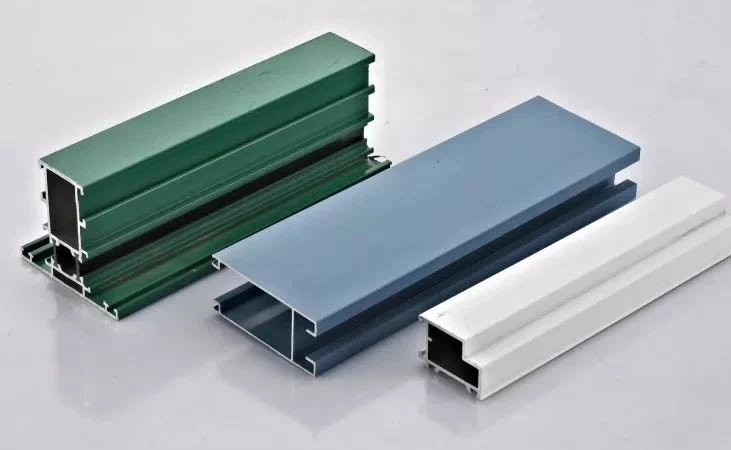
Aluminum profiles, because of different needs and uses, so there are many processing methods, the following are the more common processing methods for aluminum profiles:
1. Frosted fabric aluminum profile.
The frosted aluminum profile avoids the shortcomings of bright aluminum alloy profiles that will cause light interference under certain environments and conditions in architectural decoration. Its surface is as delicate and soft as brocade, and it is very popular in the market. The material must overcome the unevenness of the surface grit and be able to see the lack of mold pattern.
2. Aluminum profiles with multi-tone surface treatment.
The current monotonous silvery white and brown colors can no longer satisfy architects to cooperate well with exterior wall decorative bricks and exterior wall latex. Black, purple), etc. plus stained glass can make the decorative effect even better. These profiles must be chemically or mechanically polished and then oxidized for better results.
3. Electrophoretic painted aluminum profiles.
The surface of electrophoretic painted profiles has soft luster and can resist the corrosion of cement and mortar acid rain.
4. Powder electrostatic spraying aluminum profile.
Powder electrostatic sprayed profiles are characterized by excellent corrosion resistance, and acid, alkali and salt spray resistance are much better than oxidized colored profiles.
5. Plasma enhanced electrochemical surface ceramic aluminum profile.
This type of material is the most advanced processing technology in the world today. The product quality of this profile is good, but the cost is high. It has more than 20 kinds of colors. Its biggest feature is that it can be colored like printed cloth according to the needs. The surface of the profile is colorful and the decorative effect is excellent.