

Six design standards for doors and windows
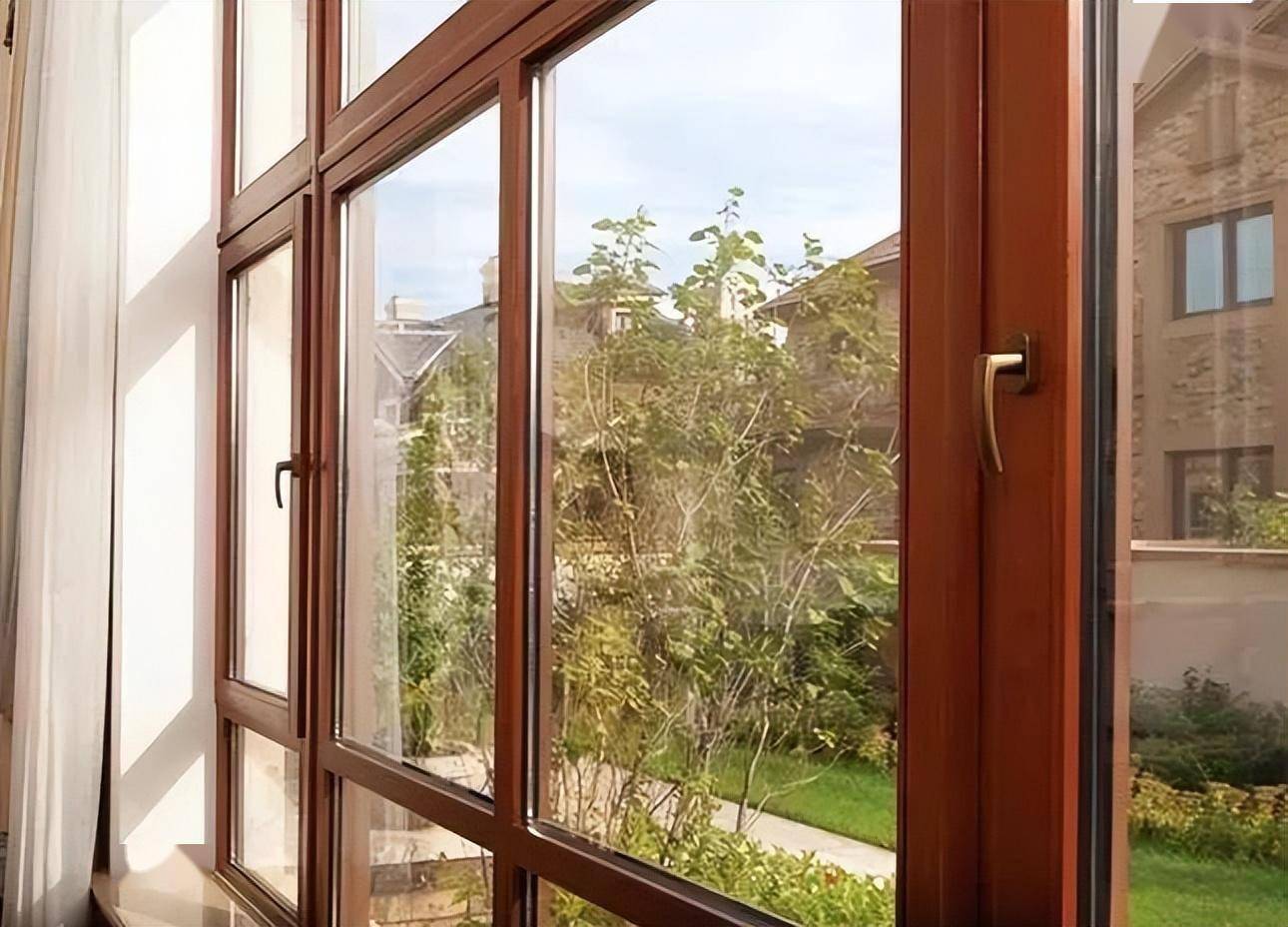
A necessary design standard is also required when designing doors and windows. Many people do not know how to use this set of design standards when installing doors and windows. These design specifications need to be paid attention to when designing doors and windows. Today, let me show you six things about the design standards for doors and windows!
1. Window sill height
In general residential buildings, the window sill height must be no less than 0.9m. When the window sill height is lower than 0.8m, protective measures should be taken. In public buildings, the window sill height varies from 1.0 to 1.8m. The bottom height of the window sash opening to the public corridor should not be lower than 2.0m.
2. Window height
In general residential buildings, the window height is 1.5m, plus the window sill height is 0.9m, and the top of the window is 2.4m from the floor. The height of the window should be determined according to the requirements of lighting, ventilation, space image, etc.. Still, attention should be paid to the problem of excessive rigidity of the window. If necessary, a beam or "splicing door" should be added. In public buildings, the height of the entire glass has exceeded 7.2m, which is not within the scope of ordinary windows.
3. Window width
The window width generally starts from 0.6m. According to the provisions of the building standard opening specification, the width modulus of the general building opening is 300mm, that is, the general width is 600mm, 900mm, 1200mm, 1500mm, and so on. It should be noted that when the window opening is too wide, a vertical keel or "splicing" should be added, otherwise the rigidity problem of the window is likely to occur.
4. Door height
The height of the door for people to pass is generally not less than 2m, and it should not exceed 2.4m, otherwise, there will be a sense of emptiness, and the door leaf production also needs to be strengthened. If the shape, ventilation, and lighting are required, a waist window can be added to the door, and its height starts from 0.4m, but it should not be too high.
The door for vehicles or equipment to pass through should be determined according to the specific situation. Its height should be 0.3~0.5m higher than the vehicle or equipment to prevent the vehicle from hitting the door frame due to bumps or the equipment from hitting the door frame when it needs to be transported on rollers. As for the clearance requirements for various types of vehicles, please refer to the corresponding specifications.
If it is a large-scale and large-space building such as a stadium or exhibition hall, when an oversized door is required, a regular-sized auxiliary door can be added to the door leaf so that people can pass when the door does not need to be opened.
Nowadays, there are many inspection doors for various equipment wells in buildings. It is not a place where people pass frequently, so the upper frame is generally the same height as or lower than the ordinary door, and there is a threshold at the same height as the baseboard at the bottom. The net height does not have to be limited to 2m, and about 1.5m is enough.
For hotel rooms, the net height of the door opening is 2.1m.

5. Door width
Generally, the width of residential doors is 0.9~1m, that of room doors is 0.8~0.9m, that of kitchen doors is about 0.8m, and that of bathroom doors is 0.7~0.8m. In consideration of the moving in of modern furniture, the upper limit size is now mostly taken.
The door width of public buildings is generally 1m for single-leaf doors and 1.2~1.8m for double-leaf doors. If it is wider, the production of door leaves must be considered. The width of double-leaf doors or multiple doors should be 0.6~1.0m.
The width of the door opening of hotel guest rooms is generally ≥0.9m, and the width of the door opening of bathrooms is ≥0.75m.
The width of the emergency door for safe evacuation should be set according to the calculation and specifications (relevant fire protection specifications). The width of the door for maintenance of the pipeline well is generally 0.6m. For the door for motor vehicles or equipment to pass through, in addition to its width, only 0.3~0.5m of space is left on each side.
6. Door and window maintenance
The dust on doors and windows should be cleaned regularly to keep them, glass, and hardware clean and bright. If the doors and windows are contaminated with oil stains or other things that are difficult to clean, it is best not to use strong acid or strong alkaline solutions to clean them, otherwise it will not only easily damage the surface finish of the profile, but also damage the protective film and oxide layer on the surface of the hardware, causing rust on the hardware.