

The bigger the hollow of the window glass, the better? Don't fall into this misunderstanding!
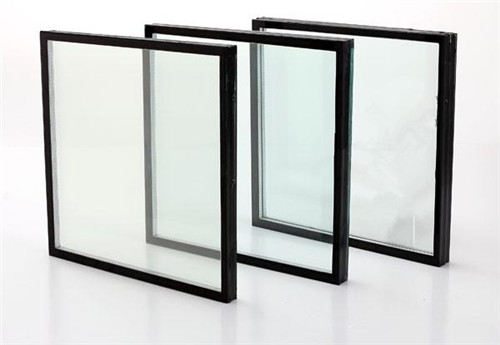
When buying windows, people often ask the merchant whether your window glass is 20A or 27A (grid width). Is the bigger the better? In fact, it is not, because the water content in cubic air is about zero to 30 grams. The desiccant in the middle of the glass spacer is limited, so if the hollow width is too large, the desiccant cannot absorb all the air in the hollow, and increasing the hollow width will be counterproductive.
From the perspective of thermal insulation, when the hollow layer is less than 12mm, increasing the thickness of the hollow layer will significantly improve the thermal insulation effect. When the hollow layer is more than 15mm, increasing the hollow thickness will not be so obvious.
From the perspective of sound insulation, the larger the hollow layer, the less likely it is to form the same frequency resonance. When the hollow layer is 12-15mm, the cost performance is the highest. When it is increased to 25mm, it will have some effect, but it is not obvious.
You can also choose according to your actual situation. The noise decibels are relatively high below the fifth floor, so you can choose to customize 20mm hollow glass; the noise decibel pollution from the 5th to the 20th floor has decreased, so 12mm conventional hollow glass will be sufficient; for residents above the 20th floor, there is no need to deliberately request larger glass hollows, because the sound transmitted into the room by 9A-12A glass hollows is completely within the acceptable range for normal people to rest. In addition, making larger hollows requires an extra process and materials, and the price will be slightly higher.