

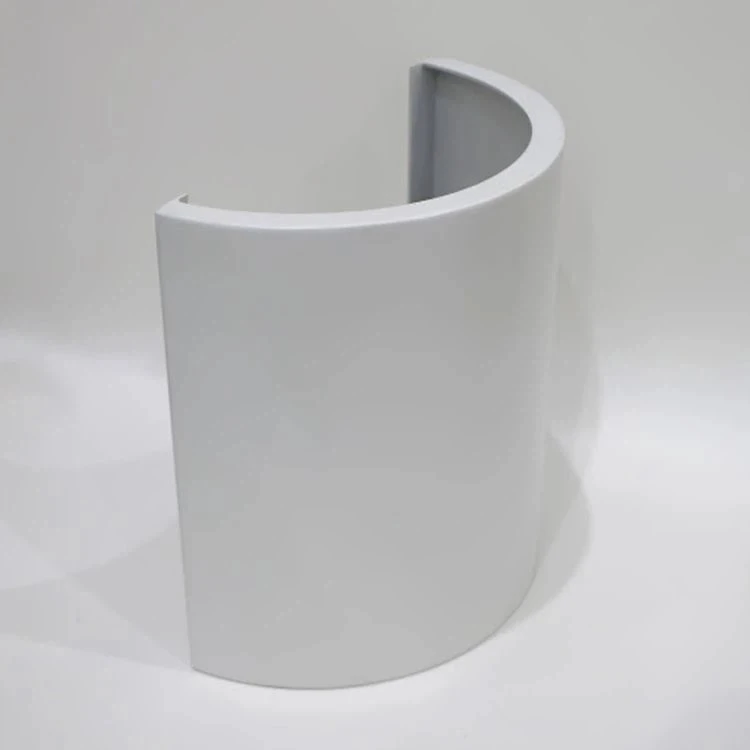
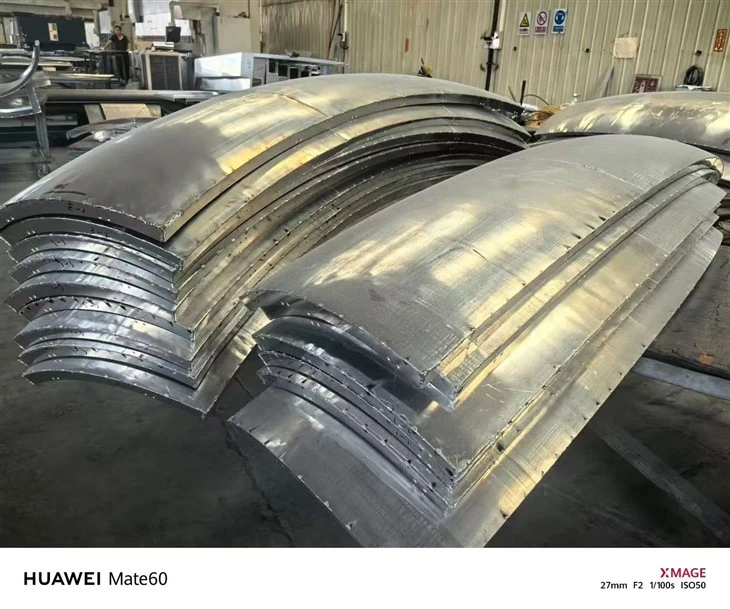
Curved aluminum panels are versatile architectural elements that combine the lightweight strength of aluminum with the aesthetic appeal of smooth, flowing curves. These panels are fabricated through processes such as bending or rolling to conform to specific shapes and radii, offering design flexibility for various applications including building facades, interior decor, and signage. Curved aluminum panels can be finished with a range of coatings, including anodizing or powder coating, to enhance their appearance and protect against corrosion, ensuring long-lasting beauty and functionality in modern architectural design.
Advantages of Curved Aluminum Panels
Lightweight
Curved aluminum panels are lightweight compared to other building materials such as steel or concrete. This characteristic makes them easier to handle, transport, and install, reducing labor costs and construction time.
Durable
Aluminum is inherently corrosion-resistant, which makes curved aluminum panels highly durable and long-lasting, even in harsh environmental conditions. They are resistant to rust, rot, and deterioration, making them suitable for exterior applications where exposure to moisture, sunlight, and pollutants is common.
Versatile design options
Curved aluminum panels offer architects and designers a wide range of design options due to their flexibility and formability. They can be shaped into various curves and contours to create unique architectural features, such as curved facades, domes, arches, and canopies.
Energy efficiency
Aluminum has excellent thermal conductivity properties, which can help improve the energy efficiency of buildings when used in curved panels. By incorporating insulation materials behind the panels, curved aluminum panels can contribute to the overall thermal performance of the building envelope, reducing heat transfer and energy consumption for heating and cooling.
Low maintenance
Curved aluminum panels require minimal maintenance to keep them looking their best. Unlike other materials that may require regular painting, sealing, or repairs, aluminum panels are easy to clean and maintain. Routine cleaning with mild soap and water is typically all that is needed to remove dirt, dust, and other surface contaminants.
Sustainable
Aluminum is a highly sustainable material that can be recycled indefinitely without losing its properties or quality. At the end of their life cycle, curved aluminum panels can be recycled and reused, further contributing to resource conservation and waste reduction.


Why Choose Us
Quality control
We have professional personnel to monitor the production process, inspect the products and ensure that the final product meets the required quality level standards, guidelines and specifications.
Rich production experience
Our company has many years of production work experience. The concept of customer-oriented and win-win cooperation makes the company more mature and stronger.
One-stop solution
We can offer a range of services, from consultation and advice to product design and delivery. It is a convenience for the customers, as they can get all the help they need in one place.
24H online service
Our terms of work have always been fixed within the work process and one can be assured about the guarantee of the work as we are there 24/7 business hours during the time your project is being worked is on.

How do Curved Aluminum Panels Attach to a Structure?
Common attachment methods include mechanical fastening, adhesive bonding, and cladding systems. Mechanical fastening involves securing the panels to the structure using screws, bolts, or rivets, providing a secure and durable connection. Adhesive bonding utilizes industrial-grade adhesives to bond the panels to the substrate, creating a seamless and aesthetically pleasing appearance. Cladding systems incorporate specialized mounting hardware and framing systems to support the curved aluminum panels while allowing for thermal expansion and contraction. These attachment methods ensure that the panels are securely anchored to the structure while accommodating the natural flexibility and movement of the aluminum material.
How do Curved Aluminum Panels Handle Thermal Expansion?
Curved aluminum panels are designed to accommodate thermal expansion and contraction effectively. Aluminum has a relatively high coefficient of thermal expansion, meaning it expands and contracts significantly with changes in temperature. To address this, curved aluminum panels are installed with appropriate allowances for thermal movement. This may involve using flexible attachment methods or allowing space for expansion joints between panels. Additionally, the design of the panels themselves may incorporate relief features or gaps to mitigate stress caused by thermal fluctuations. Proper installation and design considerations ensure that curved aluminum panels can withstand temperature variations without compromising their structural integrity or appearance.

Can Curved Aluminum Panels be Integrated With Solar Panels?
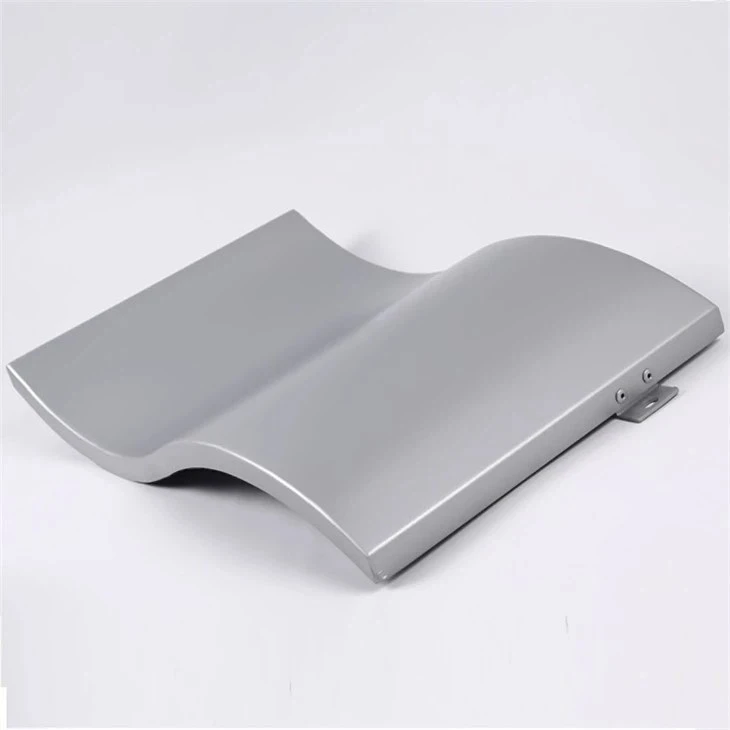
Curved aluminum panels can be integrated with solar panels to create aesthetically pleasing and functional solar energy systems. The flexibility and versatility of curved aluminum panels allow them to serve as a supportive structure for mounting solar panels while maintaining the desired curvature and architectural design. This integration offers several benefits, including maximizing space utilization, enhancing building aesthetics, and providing renewable energy generation. By combining curved aluminum panels with solar panels, architects and designers can seamlessly incorporate sustainable energy solutions into building facades, roofs, or shading elements, contributing to energy efficiency and environmental sustainability.
What are The Advantages of Using Curved Aluminum Panels Over Traditional Flat Panels?
Curved panels add visual interest and architectural flair to buildings, creating dynamic and aesthetically pleasing designs. Additionally, they allow for more creative freedom in design, enabling architects to achieve unique shapes and forms that may not be possible with flat panels. Curved aluminum panels also provide better structural performance, as their curved shape distributes loads more evenly, enhancing durability and resilience against wind and seismic forces. Furthermore, curved panels offer superior water shedding capabilities, reducing the risk of water infiltration and moisture-related damage compared to flat panels.
Can Curved Aluminum Panels be Used for Soundproofing?
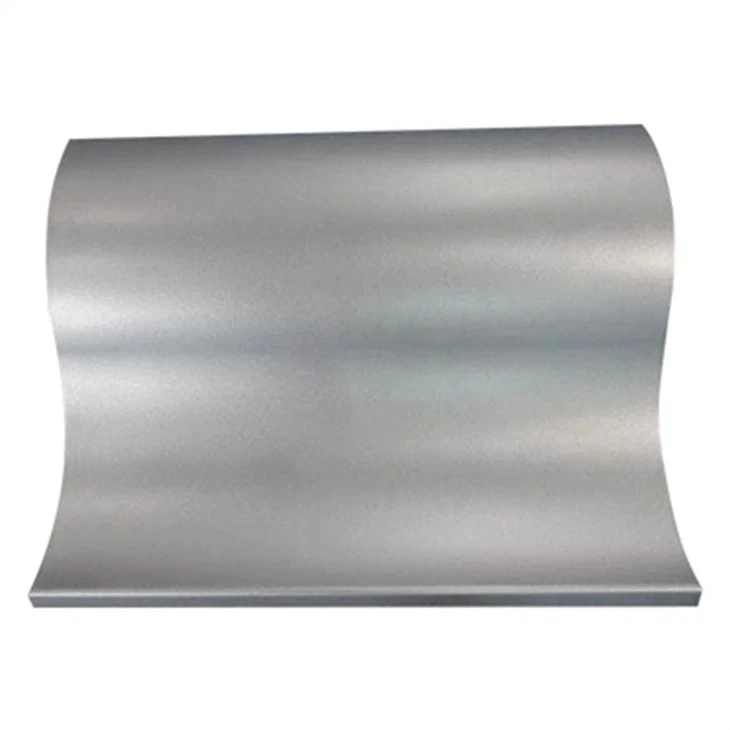
Curved aluminum panels can be effectively used for soundproofing purposes. While aluminum itself is not a sound-absorbing material, curved aluminum panels can be designed with acoustic backing materials to enhance their soundproofing capabilities. These acoustic backings, such as foam or mineral wool, are inserted behind the panels to absorb sound waves and reduce noise transmission through the panels. Additionally, the curved shape of the panels can help diffuse sound waves, further improving their acoustic performance. Curved aluminum panels with appropriate acoustic treatments can be utilized in various architectural applications to create quieter and more comfortable environments, such as theaters, auditoriums, recording studios, and commercial spaces.
What is the Fire Rating for Curved Aluminum Panels?
Curved aluminum panels typically have a high fire rating due to the non-combustible nature of aluminum. They are often classified as Class A fire-rated materials, indicating excellent resistance to fire spread and minimal contribution to flame spread. This high fire rating makes curved aluminum panels suitable for use in buildings and structures where fire safety is a priority, providing added peace of mind to architects, builders, and building occupants. Additionally, aluminum's low thermal conductivity helps prevent the spread of fire, further enhancing the fire resistance of curved aluminum panels.
How do Curved Aluminum Panels Perform in Extreme Temperatures?
Curved aluminum panels perform well in extreme temperatures due to the inherent thermal conductivity of aluminum. This property allows the panels to efficiently dissipate heat in high-temperature environments, preventing overheating and maintaining structural integrity. Additionally, aluminum's low coefficient of thermal expansion helps the panels withstand temperature fluctuations without warping or buckling, ensuring long-term durability. In cold temperatures, aluminum panels remain stable and unaffected, providing reliable performance without compromising functionality. Curved aluminum panels offer excellent thermal stability and can withstand a wide range of temperature conditions, making them suitable for use in diverse climates and environments.
What is the Minimum Radius for Curved Aluminum Panels?
The minimum radius for curved aluminum panels depends on various factors, including the thickness and alloy of the aluminum, the fabrication method, and the intended application. In general, aluminum can be curved to relatively tight radii due to its malleability and ductility. However, there are practical limitations based on the capabilities of the manufacturing equipment and processes. Typically, the minimum radius for curved aluminum panels ranges from a few inches to several feet.
Can Curved Aluminum Panels be Installed on Existing Structures?
Curved aluminum panels can be installed on existing structures with proper planning and preparation. Since aluminum panels are lightweight and flexible, they can often be retrofit onto buildings without requiring extensive modifications to the existing structure. However, it's essential to assess the condition and structural integrity of the building before installation to ensure compatibility and safety. Depending on the design and configuration of the existing structure, installation methods may vary, but typically involve attaching the panels to a suitable support system using mechanical fasteners or adhesive bonding. Additionally, careful attention should be paid to waterproofing and weatherproofing details to prevent water infiltration and ensure long-term performance. With proper installation techniques, curved aluminum panels can enhance the aesthetics and functionality of existing structures, transforming their appearance and providing added value.
How to Choose Curved Aluminum Panels
Determine the project's scope, including the desired aesthetics, functional requirements, budget, and timeline. Consider factors such as building type, location, environmental conditions, and architectural style.
Specify the size, shape, thickness, and curvature of the curved aluminum panels based on the architectural design and structural requirements. Consider the panel's load-bearing capacity, wind resistance, and seismic performance.
Choose the appropriate grade of aluminum based on the application and environmental conditions. Common grades include 3003, 5052, and 6061 aluminum alloys, each offering different strengths, corrosion resistance, and formability.
Decide on the desired surface finish for the curved aluminum panels, such as smooth, textured, or patterned. Select from options like anodized, painted, or powder-coated finishes to achieve the desired appearance and durability.
Determine the color scheme for the curved aluminum panels to complement the building's design and surroundings. Choose from a wide range of standard colors or opt for custom colors to achieve a unique look.
Consider the panel's configuration, including flat, single-curved, or double-curved shapes, based on the architectural design requirements. Evaluate the feasibility of fabrication and installation for the chosen configuration.
Material of Curved Aluminum Panels
Curved aluminum panels are typically constructed from high-quality aluminum alloys, which offer a balance of strength, durability, and lightweight properties. These panels are formed through a process of shaping and bending aluminum sheets into curved configurations to meet architectural design requirements. Aluminum is chosen for its corrosion resistance, allowing the panels to withstand exposure to outdoor elements without rusting or deteriorating over time. Aluminum's malleability allows for intricate shaping and detailing, enabling architects and designers to create unique and visually striking curved surfaces.
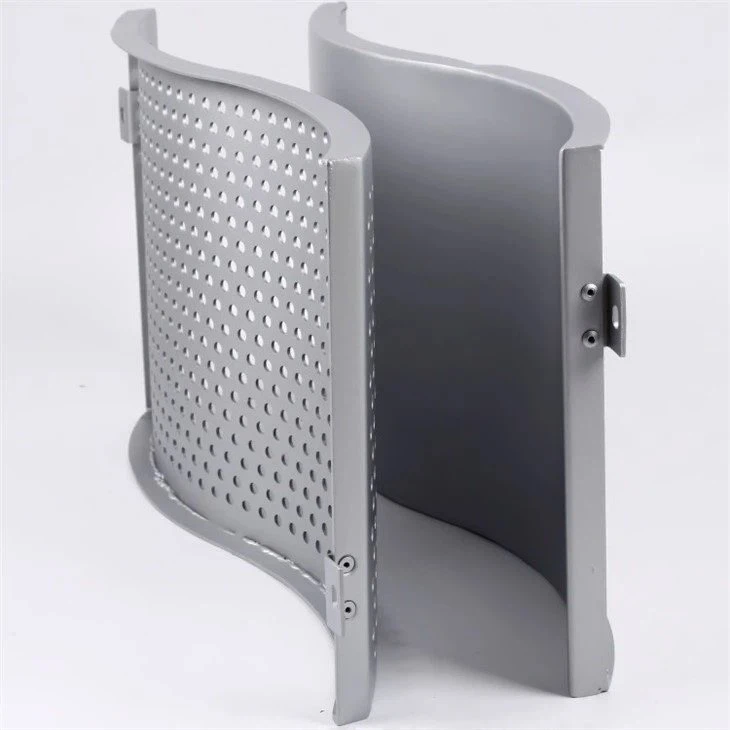
Application of Curved Aluminum Panels
Architectural facades
Curved aluminum panels are commonly used to create striking architectural facades on buildings. The curvature adds visual interest and modern appeal to the exterior design, making them popular choices for commercial, residential, and institutional buildings.
Roofing and canopies
Curved aluminum panels can be utilized to construct roofing systems and canopies. Their lightweight nature and durability make them suitable for covering outdoor spaces such as walkways, entrance areas, and outdoor seating areas.
Interior partitions
Within buildings, curved aluminum panels can be used as interior partitions to divide spaces while maintaining an open and airy feel. They can create dynamic and fluid transitions between different areas, enhancing the interior design aesthetics.
Ceilings and soffits
Curved aluminum panels are often employed in ceiling and soffit applications. They can be installed to follow the contours of the ceiling, creating visually interesting architectural features and adding dimension to the space.
Column cladding
Aluminum panels can be curved and applied to cover structural columns, providing a sleek and modern appearance. This application is common in both interior and exterior settings, adding architectural interest while concealing structural elements.
Signage and branding
Curved aluminum panels can be used to create custom signage and branding elements for commercial buildings, retail spaces, and corporate environments. The smooth surface of the panels provides a clean canvas for logos, graphics, and text.
Process of Curved Aluminum Panels
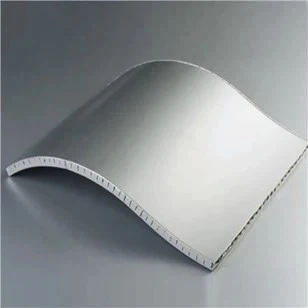
Material selection
Cutting and shaping
Surface treatment
Assembly and joining
Finishing touches
Components of Curved Aluminum Panels
Curved aluminum panels consist primarily of two main components: the aluminum panel itself and any supporting framework or attachment system. The aluminum panel is typically formed using a process such as extrusion or rolling to achieve the desired curved shape. It serves as the outer layer of the panel, providing both aesthetic appeal and functional properties such as weather resistance and durability. The supporting framework or attachment system, which may include structural elements, brackets, or fasteners, helps secure the aluminum panel in place and provides structural integrity to the overall assembly.
What Structural Support is Required for Curved Aluminum Panels?
Structural support for curved aluminum panels typically includes a framework or substructure composed of materials such as steel, aluminum, or wood. The support structure must be designed to withstand the loads imposed by the panels, including wind, snow, and seismic forces, as well as the weight of the panels themselves. The specific requirements for structural support depend on factors such as the size and shape of the panels, the installation method, and the environmental conditions at the site. Proper anchoring and bracing are essential to ensure stability and prevent deformation or failure of the panels over time.
What Tools and Equipment are Needed to Install Curved Aluminum Panels?
These may include power drills, screwdrivers, rivet guns, measuring tapes, levels, and cutting tools such as circular saws or shears. Additionally, specialized equipment such as scaffolding, ladders, and safety gear like gloves and goggles may be necessary, especially for installations at height or in challenging locations. Depending on the specific installation requirements, additional tools and equipment may be needed to handle tasks such as lifting and positioning panels, securing fasteners, and ensuring proper alignment. Having the right tools and equipment on hand is crucial for achieving accurate measurements, precise cuts, and secure attachment of curved aluminum panels during installation.
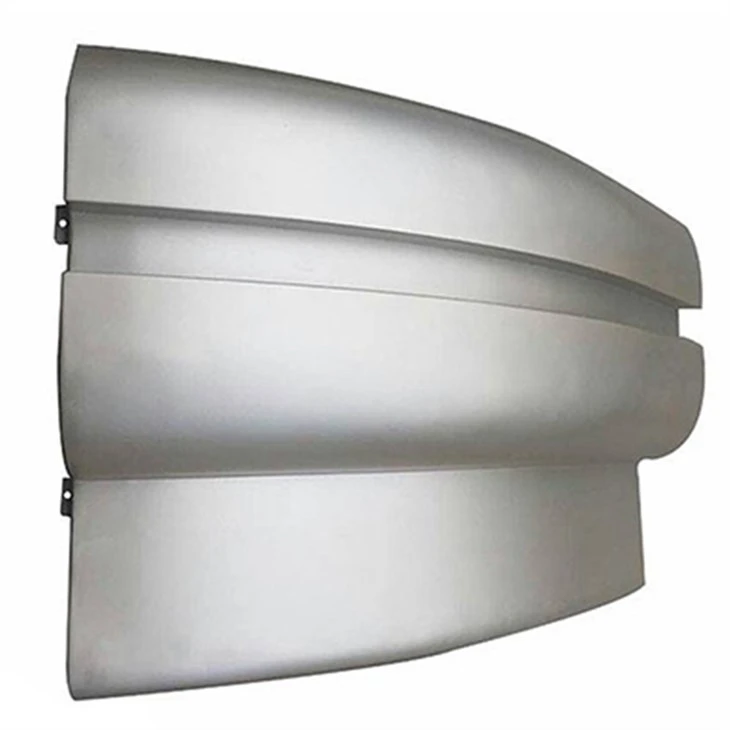
Maintenance Tips for Curved Aluminum Panels
Regular cleaning
Clean curved aluminum panels regularly with a mild detergent and water solution to remove dirt, dust, and other surface contaminants. Use a soft cloth or sponge to avoid scratching the surface of the panels.
Avoid abrasive cleaners
Avoid using abrasive cleaners or harsh chemicals that may scratch or damage the surface of the aluminum panels. Opt for gentle cleaning solutions to preserve the finish and appearance of the panels.
Inspect for damage
Periodically inspect the curved aluminum panels for any signs of damage, such as dents, scratches, or corrosion. Address any issues promptly to prevent further deterioration and maintain the structural integrity of the panels.
Repair minor damage
For minor damage such as small dents or scratches, consider repairing the affected areas using touch-up paint or aluminum repair kits. Follow manufacturer guidelines for proper repair techniques and products.
Seal joints and seams
Ensure that joints and seams between curved aluminum panels are properly sealed to prevent water infiltration and corrosion. Use appropriate sealants or caulking materials compatible with aluminum construction.
Monitor for corrosion
Keep an eye out for any signs of corrosion on the curved aluminum panels, particularly in areas exposed to moisture or salt air. Treat any corrosion promptly using aluminum-safe rust removers or inhibitors to prevent further damage.
Things to Note When Installing Curved Aluminum Panels
Panel alignment
Ensure proper alignment of the curved aluminum panels during installation to achieve a uniform and seamless appearance. Misalignment can result in gaps or unevenness between panels, detracting from the aesthetic appeal of the installation.
Substrate preparation
Prepare the substrate surface adequately before installing the curved aluminum panels. The substrate should be clean, smooth, and free of debris, dust, and other contaminants that could affect the adhesion or performance of the panels.
Adhesive selection
Choose an appropriate adhesive or mounting system for securing the curved aluminum panels to the substrate. The adhesive should be compatible with both the panels and the substrate material and provide sufficient bonding strength to withstand environmental loads and stresses.
Expansion and contraction
Consider the potential for expansion and contraction of the curved aluminum panels due to temperature fluctuations. Allow for adequate expansion joints or gaps between panels to accommodate thermal movement and prevent buckling or distortion of the panels.
Fastening methods
Select suitable fastening methods for securing the curved aluminum panels to the substrate. Depending on the installation requirements and design, options may include mechanical fasteners, adhesive bonding, or a combination of both.
Weatherproofing
Ensure proper weatherproofing and sealing around the perimeter of the curved aluminum panels to prevent water infiltration and moisture damage. Use compatible sealants and flashing materials to create a watertight barrier and protect the underlying structure from water-related issues.
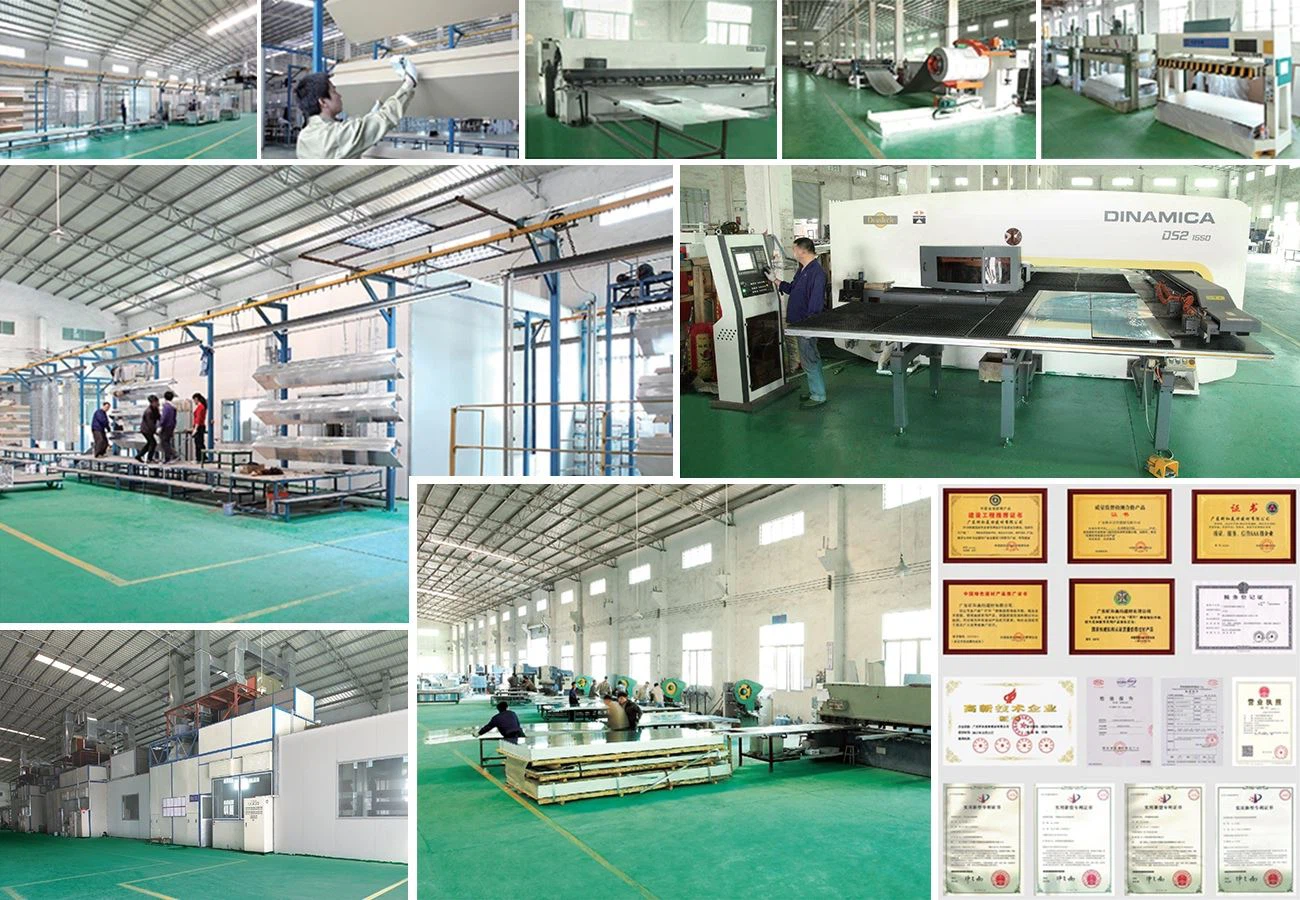
Our Factory
Headquartered in Foshan, China, Guangdong Xinhemate Building Materials Co., Ltd ('Xinhe') implements its engineering excellence through a wide range of customized interior and exterior products and services: Ceilings and claddings, facade and canopies. Equipped with advanced computer numeric control (CNC) machines that imported from German and Swizz, these facilities and people ensure complex design specifications are implemented as per schedule. Xinhe is always doing her best to meet the increasing needs and requirements of the global building and construction industry.

FAQ
Q: What is the process for creating curved aluminum panels?
Q: How do curved aluminum panels differ from flat panels in terms of strength?
Q: Can curved aluminum panels be used for roofing?
Q: What are the advantages of using curved aluminum panels in building design?
Q: Are curved aluminum panels available in various colors and finishes?
Q: How do curved aluminum panels perform in corrosive environments?
Q: Can curved aluminum panels be used in conjunction with insulation?
Q: What maintenance is required for curved aluminum panels?
Q: How do curved aluminum panels impact building aesthetics?
Q: What is the expected lifespan of curved aluminum panels?
Q: Are curved aluminum panels eco-friendly?
Q: Can curved aluminum panels be integrated with other building systems?
Q: How do curved aluminum panels affect acoustics within a building?
Q: Can curved aluminum panels be used in high-traffic areas?
Q: What are the weight considerations for curved aluminum panels?
Q: How do curved aluminum panels handle thermal expansion and contraction?
Q: How do curved aluminum panels perform in different climates?
Q: What is the role of technology in designing and producing curved aluminum panels?
Q: Can curved aluminum panels be repaired if damaged?
Q: What are some innovative uses of curved aluminum panels in architecture?