

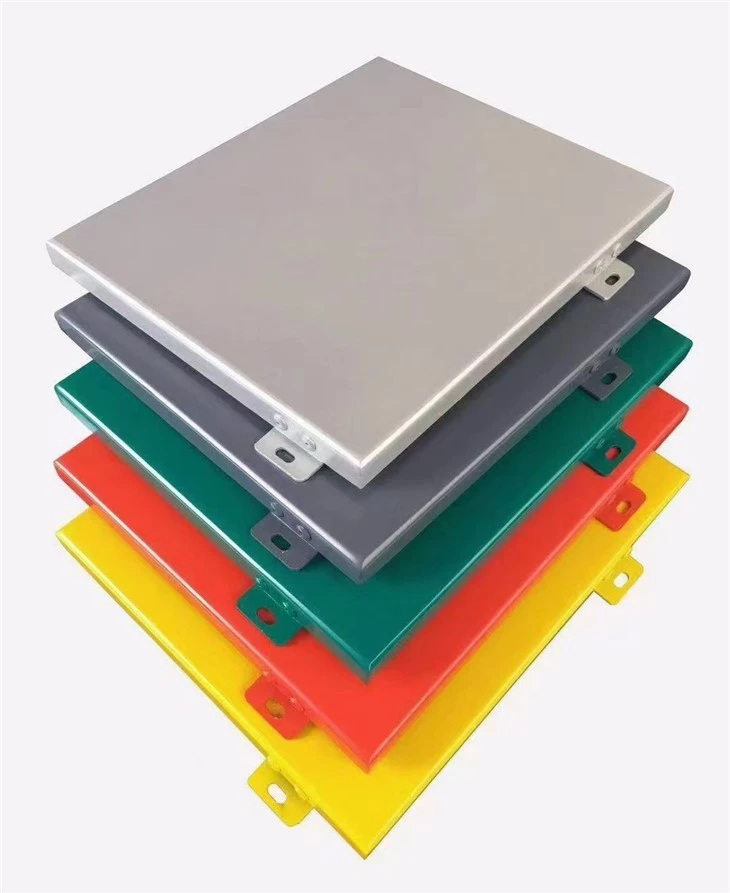
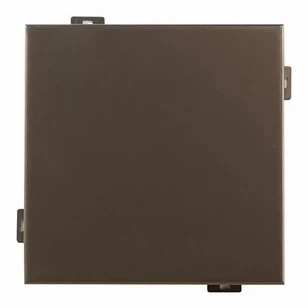
Solid aluminum panels are durable, high-quality materials suitable for various construction projects. They offer sustainability as an alternative to traditional panels, with options up to 2.0 mm in thickness as semi-finished products. These panels are designed specifically for facade cladding, incorporating various alloys, mechanical properties, and coating materials to meet architectural requirements. Solid aluminum panels provide thermal and acoustic insulation properties, contributing to the energy efficiency and comfort of buildings. They also facilitate air circulation, exhaust, and heat dissipation, making them ideal for ceiling systems.
Advantages of Solid Aluminum Panels
Durability and longevity
Solid aluminum panels are known for their exceptional durability and longevity. They are resistant to corrosion, weathering, and UV radiation, making them suitable for exterior applications in a wide range of climates. The solid construction ensures that the panels maintain their structural integrity and aesthetic appeal over time, reducing the need for frequent maintenance or replacement.
Versatility in design
Solid aluminum panels offer versatility in design, allowing architects and designers to create custom solutions for various building applications. They can be fabricated into different shapes, sizes, and surface finishes to achieve desired aesthetics and performance requirements.
Aesthetic appeal
Solid aluminum panels offer a sleek and modern aesthetic that enhances the visual appeal of buildings. They are available in a wide range of colors, textures, and finishes, including matte, glossy, brushed, and metallic coatings, allowing for customization to match architectural styles and design preferences.
Lightweight and easy to install
Despite their solid construction, aluminum panels are lightweight compared to other building materials such as steel or concrete. This lightweight nature makes them easier to handle, transport, and install, reducing labor costs and construction time.
Thermal insulation
Solid aluminum panels offer thermal insulation properties, helping to regulate indoor temperatures and improve energy efficiency. When combined with insulation materials, such as foam or mineral wool, solid aluminum panels can enhance the thermal performance of building envelopes, reducing heat loss in winter and heat gain in summer.
Low maintenance
Solid aluminum panels require minimal maintenance to keep them looking their best. Unlike other materials that may require painting, sealing, or repainting, aluminum panels are easy to clean and maintain. Routine cleaning with mild soap and water is typically all that is needed to remove dirt, dust, and other surface contaminants.


Why Choose Us
Quality control
We have professional personnel to monitor the production process, inspect the products and ensure that the final product meets the required quality level standards, guidelines and specifications.
Rich production experience
Our company has many years of production work experience. The concept of customer-oriented and win-win cooperation makes the company more mature and stronger.
One-stop solution
We can offer a range of services, from consultation and advice to product design and delivery. It is a convenience for the customers, as they can get all the help they need in one place.
24H online service
Our terms of work have always been fixed within the work process and one can be assured about the guarantee of the work as we are there 24/7 business hours during the time your project is being worked is on.
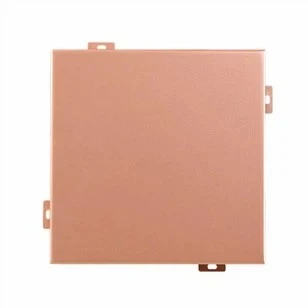
What are The Common Surface Finishes Available for Solid Aluminum Panels?
Common surface finishes include matte, glossy, brushed, and metallic coatings. Matte finishes provide a subtle and understated appearance, while glossy finishes offer a sleek and reflective surface that enhances visual appeal. Brushed finishes feature fine linear patterns that add texture and dimension to the panels, creating a contemporary look. Metallic coatings mimic the appearance of natural metals such as copper, bronze, or zinc, adding a distinctive and upscale touch to building exteriors and interiors. These surface finishes can be customized to achieve specific colors, textures, and effects, allowing architects and designers to create unique and visually striking facades, cladding systems, and interior elements using solid aluminum panels.
What is The Thermal Conductivity of Solid Aluminum Panels?
The thermal conductivity of solid aluminum panels is relatively high compared to other building materials, making them efficient conductors of heat. This property allows solid aluminum panels to quickly transfer heat across their surface, contributing to their thermal insulation capabilities when used as part of a building envelope. However, without additional insulation materials, solid aluminum panels can also conduct heat into or out of the building interior, depending on the surrounding temperatures. Therefore, proper insulation behind the panels is essential to optimize their thermal performance and minimize energy loss. The thermal conductivity of solid aluminum panels plays a crucial role in regulating indoor temperatures and improving energy efficiency in buildings.
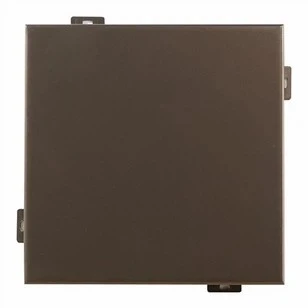

What are The Fire Resistance Ratings of Solid Aluminum Panels?
Solid aluminum panels typically have excellent fire resistance properties, often achieving high fire ratings in building codes and standards. The fire resistance of solid aluminum panels is primarily attributed to the inherent properties of aluminum, including its non-combustibility and low flammability. Solid aluminum panels may undergo testing and certification to verify their fire performance, such as flame spread, smoke development, and resistance to fire penetration. Depending on the specific composition and configuration of the panels, they may achieve various fire ratings, such as Class A, Class B, or Class C, as defined by relevant building codes and standards.
Can Solid Aluminum Panels be Integrated With Other Building Systems?
Solid aluminum panels can be seamlessly integrated with other building systems to enhance functionality and performance. Their versatile design allows for compatibility with various architectural elements such as windows, doors, ventilation systems, and lighting fixtures. Additionally, solid aluminum panels can be incorporated into building envelopes, curtain wall systems, and cladding assemblies to provide thermal and weather protection while maintaining aesthetic continuity. Integration with other building systems allows for cohesive and efficient building designs, ensuring that solid aluminum panels contribute to overall building performance and functionality.


How do The Acoustic Properties of Solid Aluminum Panels Compare to Other Materials?
The acoustic properties of solid aluminum panels generally offer moderate sound insulation compared to some other materials. While solid aluminum panels can provide some level of noise reduction due to their density and thickness, they may not offer the same level of acoustic performance as specialized acoustic panels or materials designed specifically for soundproofing purposes. However, when combined with insulation materials or used in conjunction with other acoustic treatments, such as sound-absorbing panels or acoustic membranes, solid aluminum panels can contribute to improving the overall acoustic comfort of indoor spaces. The solid construction of aluminum panels helps to reduce vibration and resonance, which can further enhance their effectiveness in minimizing noise transmission.
What are The Load-Bearing Capacities of Solid Aluminum Panels?
Solid aluminum panels are capable of bearing significant loads due to their sturdy construction and inherent strength. While the exact load-bearing capacity may vary depending on factors such as panel thickness, size, mounting method, and support structure, solid aluminum panels are generally designed to withstand typical loads encountered in building applications. When properly installed and supported, solid aluminum panels can support the weight of their own structure as well as additional loads, such as wind, snow, and seismic forces. Engineering calculations and structural analysis are typically conducted to determine the specific load-bearing capacities of solid aluminum panels for a given project, ensuring that they meet safety and performance requirements.
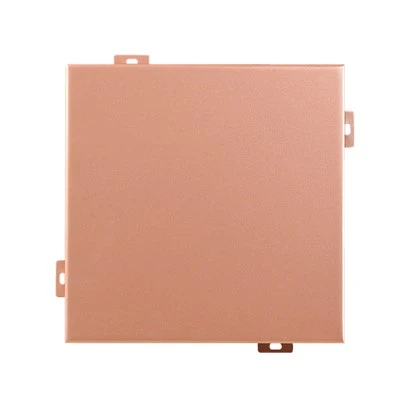
How to Choose Solid Aluminum Panels
Purpose and application
Determine the intended use of the solid aluminum panels. Are they for exterior cladding, interior partitions, or decorative features? Understanding the application will help narrow down options and select panels that meet the performance criteria for the project.
Material quality
Assess the quality of the aluminum material used in the panels. Look for high-grade aluminum alloys that offer durability, corrosion resistance, and longevity. Consider panels with protective coatings or finishes to enhance weather resistance and maintain appearance over time.
Panel thickness
Choose the appropriate thickness of solid aluminum panels based on the structural requirements and design preferences of the project. Thicker panels may offer greater strength and rigidity, while thinner panels can be lighter and easier to install.
Surface finish
Consider the desired aesthetic and architectural style when selecting the surface finish of solid aluminum panels. Options include matte, glossy, brushed, textured, or metallic finishes. Choose a finish that complements the overall design of the building and enhances its visual appeal.
Performance requirements
Evaluate the performance requirements of the solid aluminum panels, such as thermal insulation, fire resistance, acoustic properties, and environmental sustainability. Select panels that meet or exceed relevant building codes, standards, and certifications for the intended application.
Installation method
Consider the installation method of solid aluminum panels and ensure compatibility with the building structure and mounting system. Evaluate the ease of installation, including the availability of installation accessories, such as fasteners, brackets, or support systems.
These properties, including strength, stiffness, and ductility, determine the panels' ability to withstand external forces, such as wind loads, thermal expansion, and impact. High strength ensures structural integrity and resistance to deformation under load, while stiffness contributes to dimensional stability and prevents excessive deflection. Additionally, ductility allows the panels to withstand dynamic loads and deform without fracturing, enhancing their durability and safety. By possessing optimal mechanical properties, solid aluminum panels can effectively support building structures, maintain their shape over time, and withstand harsh environmental conditions, ensuring long-term performance and reliability.

Material of Solid Aluminum Panels
Solid aluminum panels are architectural building materials made entirely from aluminum. These panels are typically manufactured using extrusion or casting processes, resulting in a solid and uniform structure. Aluminum, known for its lightweight yet durable properties, lends itself well to construction applications. The solid aluminum panels offer exceptional resistance to corrosion, weathering, and UV radiation, making them suitable for exterior and interior use in various climates. Their solid construction ensures structural integrity and longevity, requiring minimal maintenance over time.
Application of Solid Aluminum Panels
Building facades
Solid aluminum panels are frequently used as cladding materials for building exteriors. They provide protection against weather elements while enhancing the visual appeal of the facade. The versatility in design and finishes allows architects to create striking facades that complement the overall architectural style.
Retail displays and signage
Solid aluminum panels are employed in retail environments for displays, signage, and branding purposes. Their durability, lightweight, and ability to accommodate custom graphics make them ideal for creating impactful visual elements in retail spaces.
Curtain walls
Solid aluminum panels are an integral component of curtain wall systems, which are non-structural outer coverings for buildings. They provide thermal insulation, weather resistance, and aesthetic enhancement to the building envelope.
Roofing systems
In some cases, solid aluminum panels are utilized as roofing materials for both residential and commercial buildings. Their lightweight nature, durability, and weather resistance make them suitable for use in roofing applications.
Ceilings and interior walls
Within interior spaces, solid aluminum panels serve as decorative elements for ceilings and interior walls. They offer a sleek and modern appearance, along with acoustic and thermal insulation properties.
Furniture and fixtures
In addition to architectural applications, solid aluminum panels are utilized in the manufacturing of furniture and fixtures. They can be formed into various shapes and sizes to create durable and aesthetically pleasing pieces for commercial and residential settings.
Components of Solid Aluminum Panels
The primary components include the aluminum skin, core material, and backing. The aluminum skin forms the outer layer of the panel and provides a durable and weather-resistant surface that protects the underlying structure. The core material, typically made of polyethylene (PE) or fire-resistant mineral core, provides strength, rigidity, and insulation properties to the panel. It also helps to maintain the panel's flatness and stability under various environmental conditions. The backing, often made of aluminum or other materials, provides additional support and stability to the panel, ensuring proper installation and long-term durability.
How are Solid Aluminum Panels Manufactured and Processed?
Extrusion or casting
Solid aluminum panels are typically manufactured using either extrusion or casting processes. In extrusion, aluminum billets are heated and forced through a shaped die to produce profiles with consistent cross-sectional shapes, such as flat sheets or panels. Alternatively, in casting, molten aluminum is poured into molds and allowed to solidify to form solid panels with desired dimensions and surface finishes.
Alloy selection
During the manufacturing process, aluminum alloys are carefully selected to achieve the desired mechanical properties, corrosion resistance, and surface characteristics of the panels. Common alloys used for solid aluminum panels include 1000 series (pure aluminum), 3000 series (manganese alloy), 5000 series (magnesium alloy), and 6000 series (magnesium-silicon alloy), each offering different properties and performance benefits.
Surface treatment
After extrusion or casting, solid aluminum panels undergo surface treatment processes to enhance their appearance, durability, and corrosion resistance. Surface treatments may include mechanical polishing, chemical etching, anodizing, powder coating, or painting, depending on the desired finish and performance requirements of the panels.
Fabrication and cutting
Once the surface treatment is complete, solid aluminum panels are fabricated and cut to the desired dimensions and shapes using cutting tools, such as saws, lasers, or water jets. Precision cutting ensures that the panels fit seamlessly into architectural designs and building structures, minimizing gaps and irregularities in installation.
Bending and forming
Solid aluminum panels can be bent and formed into curved or contoured shapes to accommodate architectural designs and aesthetic preferences. Bending and forming processes may involve cold or hot bending techniques, where the panels are heated or cooled to specific temperatures to achieve desired curvatures without compromising material integrity.
Quality control and testing
Throughout the manufacturing and processing stages, strict quality control measures are implemented to ensure that solid aluminum panels meet industry standards and specifications. Quality control procedures may include dimensional inspections, surface finish assessments, mechanical property tests, and corrosion resistance evaluations to verify the performance and reliability of the panels before they are released for installation.
Solid aluminum panels are suitable for both indoor and outdoor use due to their exceptional durability, weather resistance, and versatility in design. Indoors, they can be used for interior partitions, ceilings, wall cladding, and decorative elements, adding a modern and sleek aesthetic to architectural spaces. Outdoors, solid aluminum panels are commonly used for building facades, curtain walls, and exterior cladding systems, where they provide protection against the elements, including rain, wind, and UV radiation. Their resistance to corrosion and weathering ensures that they maintain their structural integrity and aesthetic appeal even in harsh environmental conditions.
How to Maintain Solid Aluminum Panels
Regular cleaning
Regular cleaning is essential to keep solid aluminum panels looking their best. Use a soft brush, sponge, or cloth with mild soap and water to remove dirt, dust, and other surface contaminants from the panels. Avoid using abrasive materials or harsh chemicals that may scratch or damage the aluminum surface.
Rinse thoroughly
After cleaning, rinse the panels thoroughly with clean water to remove any soap residue or leftover debris. Use a hose or bucket of water to ensure all cleaning agents are completely washed away.
Inspect for damage
Periodically inspect the solid aluminum panels for any signs of damage, such as scratches, dents, or corrosion. Address any issues promptly to prevent further deterioration and maintain the structural integrity of the panels.
Repair damaged areas
If you notice any scratches, dents, or other minor damage on the panels, consider repairing them as soon as possible. Depending on the severity of the damage, you may be able to buff out minor scratches or use touch-up paint to conceal small blemishes. For more significant damage, consult a professional for repairs.
Avoid harsh chemicals
Avoid using harsh chemicals, abrasive cleaners, or strong solvents on solid aluminum panels, as they can damage the surface finish and corrode the aluminum. Stick to mild, non-abrasive cleaning agents and test them on a small, inconspicuous area of the panel before applying them to the entire surface.
Protective coatings
Consider applying a protective coating or sealant to the solid aluminum panels to enhance their durability and resistance to corrosion. These coatings can help repel water, dirt, and other contaminants, making the panels easier to clean and maintain over time.
Precautions When Installing Solid Aluminum Panels
Fastening methods
Use appropriate fastening methods recommended by the manufacturer to secure the solid aluminum panels to the substrate. Ensure that fasteners are corrosion-resistant and compatible with the panel material to prevent galvanic corrosion.
Expansion joints
Install expansion joints or control joints as necessary to accommodate thermal expansion and contraction of the solid aluminum panels. Failure to allow for movement can lead to buckling, warping, or cracking of the panels over time.
Ventilation
Provide adequate ventilation behind the solid aluminum panels to allow for airflow and moisture evaporation. Proper ventilation helps prevent condensation buildup and moisture-related issues, such as corrosion or mold growth, within the wall assembly.
Sealing
Seal joints, edges, and penetrations properly to prevent water infiltration behind the solid aluminum panels. Use compatible sealants recommended by the manufacturer to ensure long-term waterproofing and protection against leaks.
Alignment and leveling
Ensure that the solid aluminum panels are aligned and leveled correctly during installation to maintain a uniform appearance and proper drainage. Use leveling tools and shims as needed to achieve the desired alignment and slope.
Expansion gaps
Leave sufficient expansion gaps between adjacent panels and at perimeter edges to accommodate thermal movement and prevent binding or buckling. Follow manufacturer guidelines for recommended gap widths and placement.
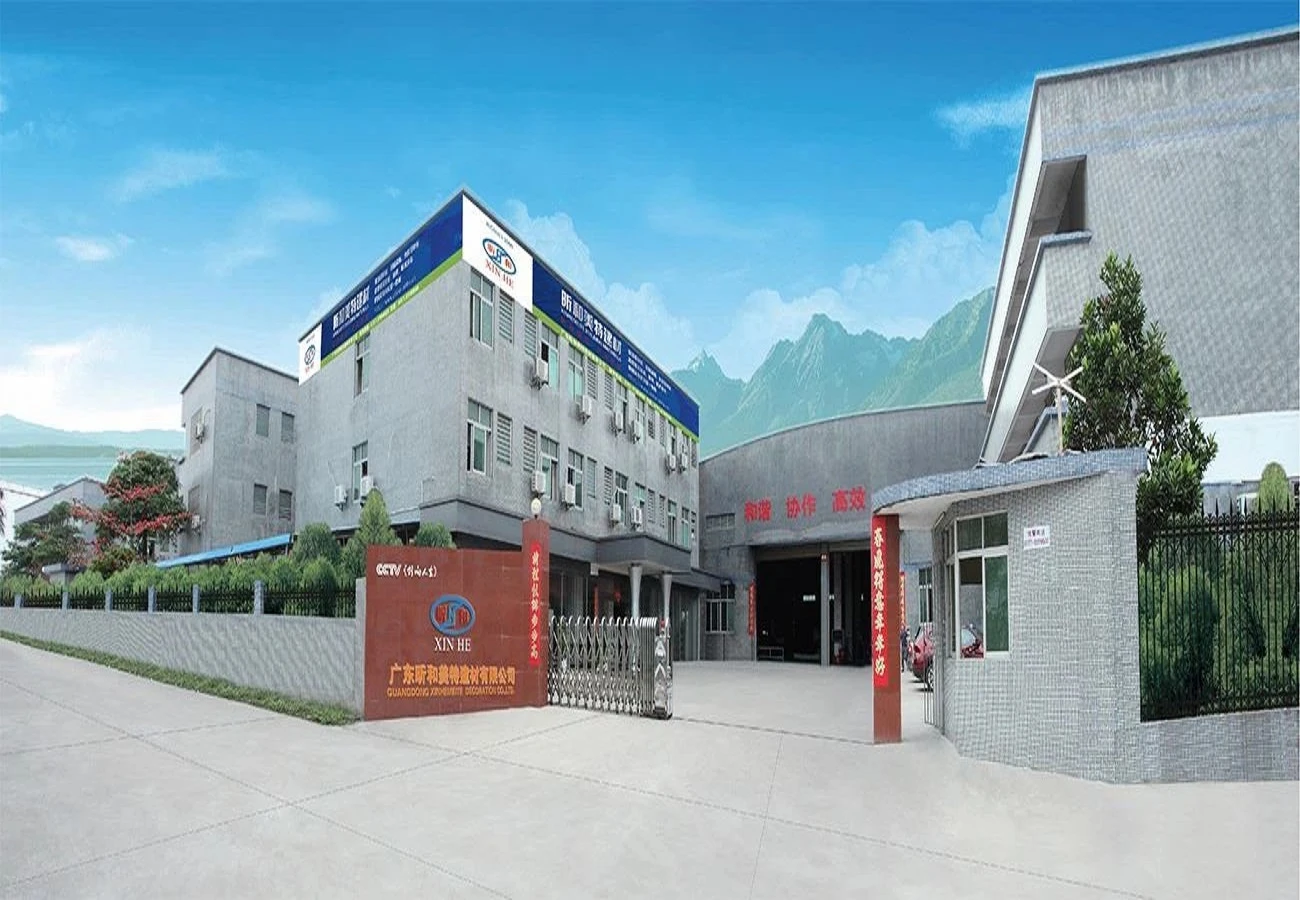
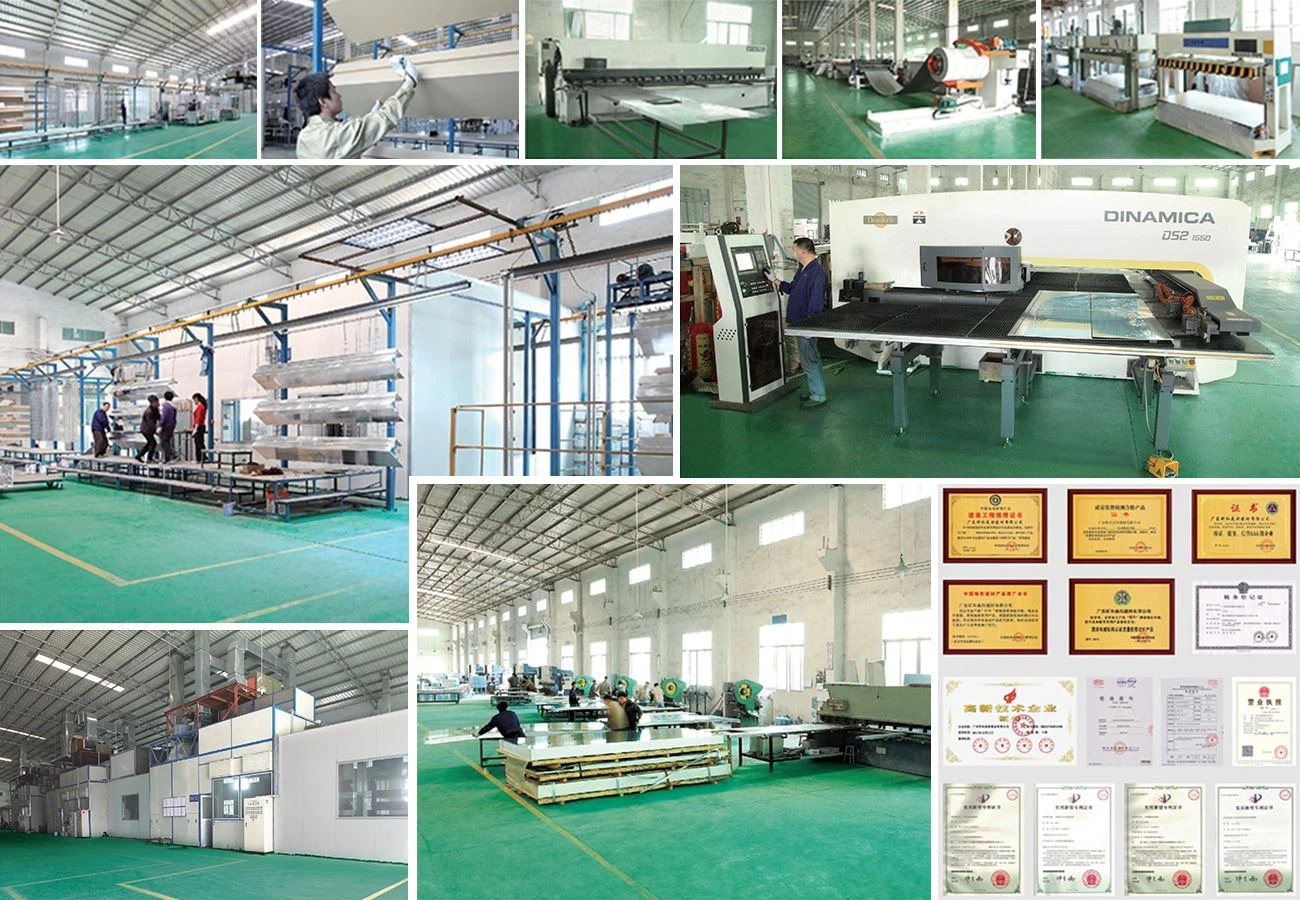
Our Factory
Headquartered in Foshan, China, Guangdong Xinhemate Building Materials Co., Ltd ('Xinhe') implements its engineering excellence through a wide range of customized interior and exterior products and services: Ceilings and claddings, facade and canopies. Equipped with advanced computer numeric control (CNC) machines that imported from German and Swizz, these facilities and people ensure complex design specifications are implemented as per schedule. Xinhe is always doing her best to meet the increasing needs and requirements of the global building and construction industry.
FAQ
Q: What are solid aluminum panels made of?
Q: How are solid aluminum panels manufactured?
Q: What are the common applications of solid aluminum panels?
Q: Are solid aluminum panels suitable for outdoor use?
Q: Can solid aluminum panels be painted or coated?
Q: How do solid aluminum panels perform in terms of insulation?
Q: Are solid aluminum panels environmentally friendly?
Q: What are the advantages of using solid aluminum panels over other materials?
Q: How do I maintain solid aluminum panels?
Q: Can solid aluminum panels be recycled?
Q: How do I install solid aluminum panels?
Q: Can solid aluminum panels be used in high-rise buildings?
Q: What colors and finishes are available for solid aluminum panels?
Q: How do solid aluminum panels compare to other metal panels?
Q: How long do solid aluminum panels last?
Q: Can solid aluminum panels be integrated with other building systems?
Q: What is the thermal expansion coefficient of solid aluminum panels?
Q: How do I choose the right type of solid aluminum panel for my project?
Q: How do solid aluminum panels compare to other cladding materials, such as steel, glass, or composite panels?
Q: Can solid aluminum panels be used in coastal or marine environments?