

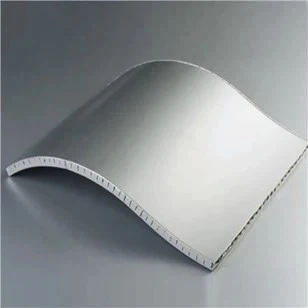
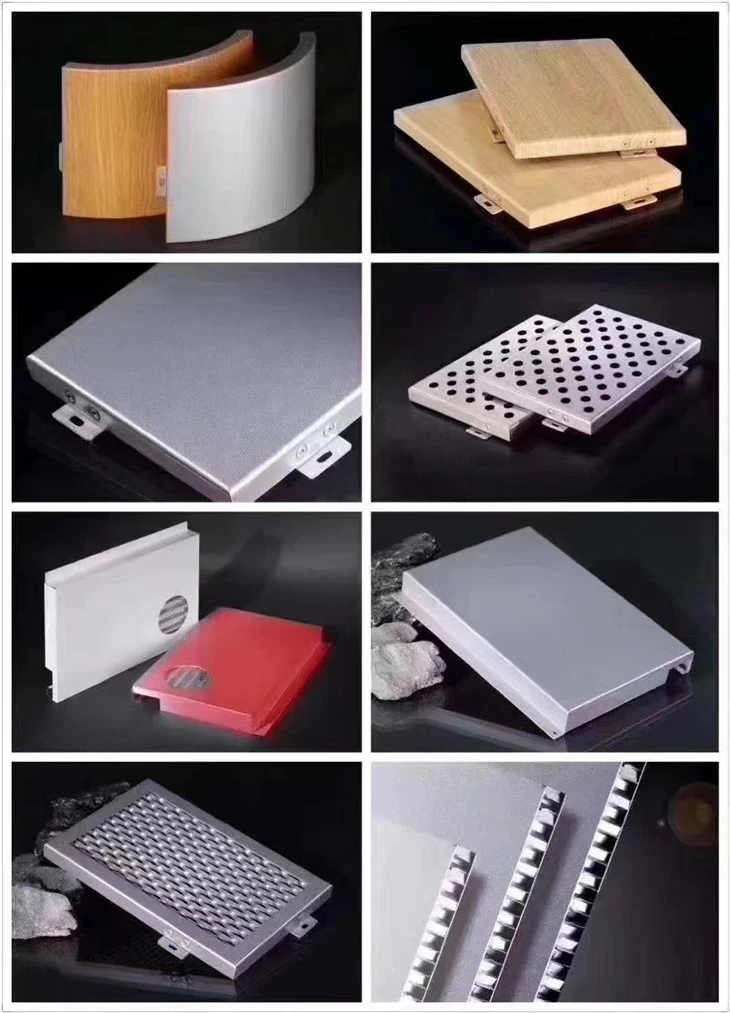
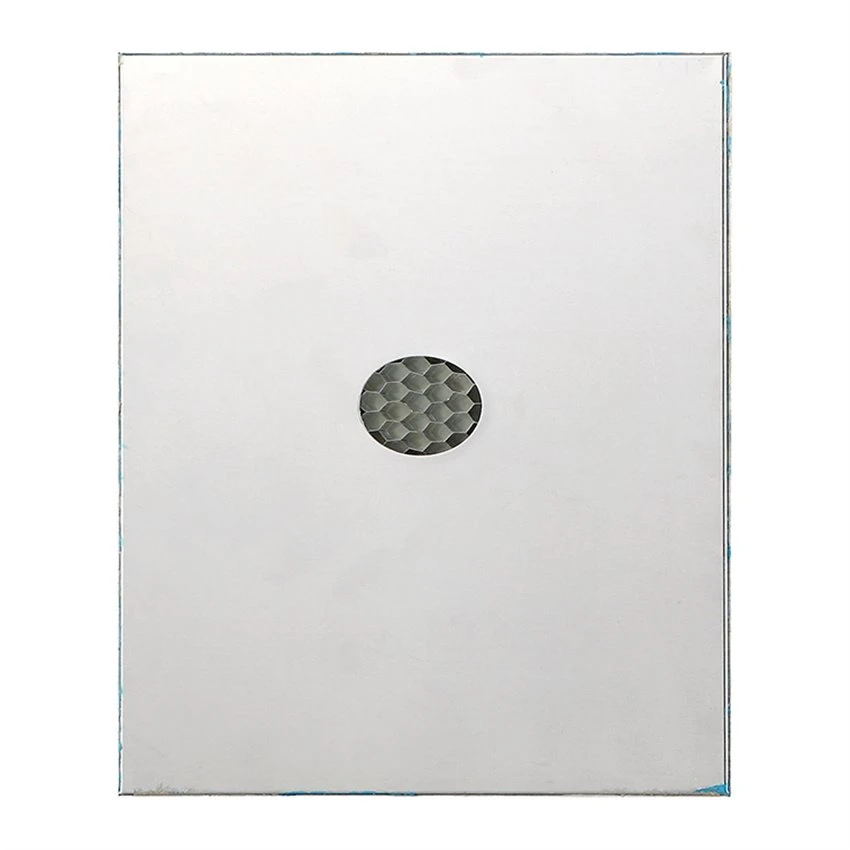
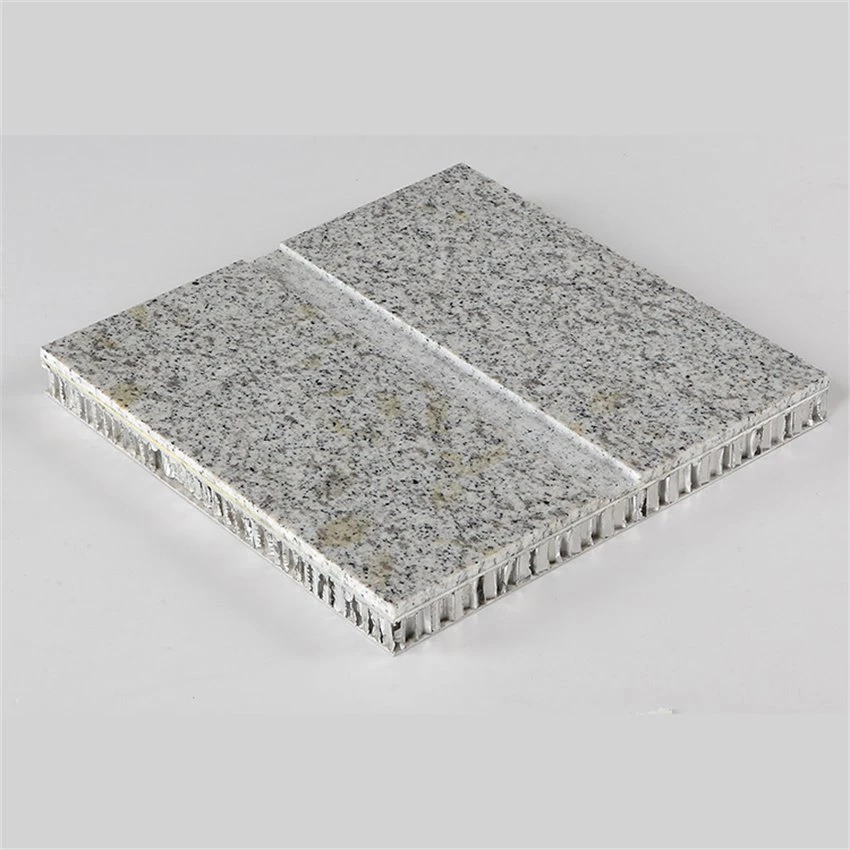
Aluminum honeycomb composite panels are lightweight structural panels consisting of two thin aluminum sheets bonded to a core made of hexagonal aluminum honeycomb cells. This unique construction creates a lightweight yet strong panel with excellent mechanical properties. They are used for applications such as exterior cladding, interior partitions, flooring, ceilings, and furniture, providing both structural support and aesthetic appeal. These panels offer advantages such as thermal insulation, soundproofing, fire resistance, and corrosion resistance, making them a preferred choice for a wide range of architectural and industrial applications.
Advantages of Aluminium Honeycomb Composite Panel
Lightweight and high strength
Aluminum honeycomb composite panels are incredibly lightweight due to their unique honeycomb structure, which provides excellent strength-to-weight ratios. This characteristic makes them ideal for applications where weight reduction is crucial, such as in the aerospace and automotive industries.
Excellent thermal insulation
The honeycomb structure of these panels creates numerous small air pockets, which act as effective insulators against heat transfer. This property allows aluminum honeycomb composite panels to maintain a stable internal temperature, reducing the need for extensive heating or cooling systems and leading to significant energy savings.
High rigidity and stiffness
Despite their lightweight nature, aluminum honeycomb composite panels exhibit exceptional rigidity and stiffness. This is primarily due to the bending stiffness of the core's hexagonal cells, which resist buckling under compressive forces. The result is a panel that can maintain its shape and flatness under various loading conditions, making it suitable for demanding engineering applications.
Superior sound insulation
The same air pockets that provide thermal insulation also contribute to the acoustic properties of aluminum honeycomb composite panels. These pockets trap sound waves, reducing their transmission through the material. This makes the panels excellent for soundproofing applications, helping to create quieter interiors in noisy environments.
Fire resistance
Aluminum honeycomb core panels can be engineered to be fire-resistant. When treated with flame retardants or when the core material is inherently non-flammable, such as aluminum or certain ceramics, the panels can withstand high temperatures without contributing to the spread of fire.
Versatility in design and application
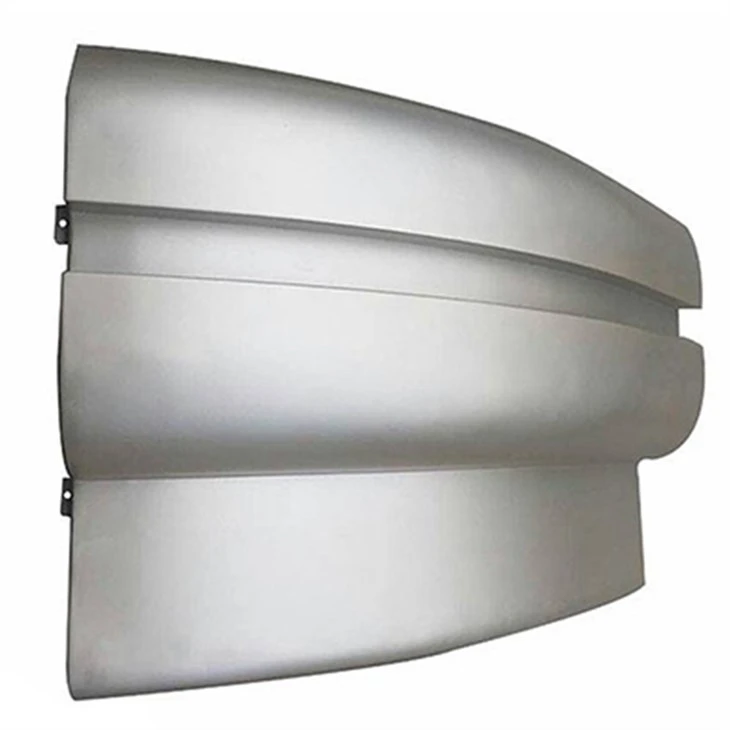
The modular design of aluminum honeycomb composite panels allows for easy customization and integration into various architectural and engineering designs. They can be cut, shaped, and joined to create complex geometries while maintaining their structural integrity.






Why Choose Us
Quality control
We have professional personnel to monitor the production process, inspect the products and ensure that the final product meets the required quality level standards, guidelines and specifications.
Rich production experience
Our company has many years of production work experience. The concept of customer-oriented and win-win cooperation makes the company more mature and stronger.
One-stop solution
We can offer a range of services, from consultation and advice to product design and delivery. It is a convenience for the customers, as they can get all the help they need in one place.
24H online service
Our terms of work have always been fixed within the work process and one can be assured about the guarantee of the work as we are there 24/7 business hours during the time your project is being worked is on.
What is The Maximum Service Temperature for Aluminum Honeycomb Composite Panels?
The maximum service temperature for aluminum honeycomb composite panels typically depends on the materials used in their construction, particularly the facing sheets and adhesive bonding agents. Aluminum honeycomb composite panels can withstand temperatures ranging from -50°C to 80°C (-58°F to 176°F) for standard applications. However, specialized panels with high-temperature resistant facing materials or adhesives may have higher maximum service temperatures.
How do Aluminum Honeycomb Panels Handle Humidity and Moisture Exposure?
Aluminum honeycomb panels exhibit excellent resistance to humidity and moisture exposure due to their inherent properties and construction. The aluminum facing sheets are naturally resistant to corrosion, while the honeycomb core provides additional protection against moisture ingress. This combination of materials ensures that aluminum honeycomb panels maintain their structural integrity and performance even in humid environments or areas prone to moisture exposure. Proper installation techniques and sealants can further enhance the panels' resistance to moisture infiltration, making them suitable for a wide range of indoor and outdoor applications, including building exteriors, marine environments, and industrial facilities. Aluminum honeycomb panels are highly durable and resilient, making them a preferred choice for applications where moisture resistance is essential.

How do Aluminum Honeycomb Panels Perform in Terms of Thermal Insulation?
Aluminum honeycomb panels offer effective thermal insulation due to the air pockets within the honeycomb core. These air pockets act as thermal barriers, reducing heat transfer through the panel and helping to maintain stable indoor temperatures. This contributes to energy efficiency and can help reduce heating and cooling costs in buildings. Aluminum is a relatively low thermal conductor, further enhancing the insulation properties of the panels. Aluminum honeycomb panels provide excellent thermal insulation, making them suitable for use in various applications where thermal efficiency is essential.
What Type of Adhesives are Used to Bond the Honeycomb Core to the Aluminum Sheets?
Commonly used adhesives include epoxy resins, polyurethane adhesives, and acrylic adhesives. These adhesives are chosen for their strong bonding properties, compatibility with aluminum and honeycomb materials, durability, and resistance to environmental factors such as temperature fluctuations and moisture. The adhesive selection depends on factors such as the specific application, performance requirements, and manufacturing process. Proper surface preparation and adhesive application techniques are essential to ensure a reliable bond between the honeycomb core and aluminum sheets, resulting in a structurally sound and durable composite panel.

How to Install Aluminium Honeycomb Composite Panel
Surface preparation
Prepare the substrate surface where the panels will be installed. Depending on the substrate material (e.g., metal, concrete, wood), this may involve cleaning, sanding, priming, or applying adhesive bonding agents to ensure proper adhesion.
Panel handling
Handle aluminum honeycomb composite panels with care to avoid damage to the facing materials or the honeycomb core. Use proper lifting equipment and handling techniques to prevent bending or warping of the panels.
Panel cutting
If necessary, cut the panels to the required size and shape using appropriate cutting tools, such as a circular saw with a carbide-tipped blade or a water jet cutter for precision cutting.
Attachment method
Determine the appropriate attachment method for securing the panels to the substrate. Common methods include mechanical fastening (screws, bolts), adhesive bonding, or a combination of both. Follow the manufacturer's recommendations for the selected attachment method.
Panel installation
Begin by installing the bottom row of panels, starting from one corner of the installation area and working your way across. Ensure proper alignment and spacing between panels, using shims or spacers as needed to maintain uniformity.
Fastening
Secure the panels to the substrate using the chosen fastening method. For mechanical fastening, drill pilot holes through the panel and substrate, then insert screws or bolts and tighten them to the recommended torque specifications. For adhesive bonding, apply the adhesive evenly to the panel and substrate surfaces, then press the panels firmly into place and allow the adhesive to cure according to the manufacturer's instructions.
Sealing
Seal the panel joints and perimeter edges using appropriate sealants or caulking materials to prevent water infiltration and ensure a watertight seal. Pay special attention to corners, seams, and penetrations to ensure proper sealing.
Finishing touches
Once all panels are installed, inspect the installation for any defects, gaps, or imperfections. Make any necessary adjustments or repairs to achieve a professional finish.
What are the Flame Resistance Ratings for Aluminum Honeycomb Composite Panels?
Aluminum honeycomb composite panels typically have varying flame resistance ratings depending on the specific facing materials used and the intended application. These panels are often tested and certified to demonstrate their performance in fire conditions, with ratings such as Class A, Class B, or Class C based on their ability to resist flame spread and smoke generation. The non-combustible nature of the aluminum core provides inherent fire resistance, helping to prevent the spread of flames and enhance overall safety.
How do Aluminum Honeycomb Panels Perform Under Dynamic Loads?
Aluminum honeycomb panels perform exceptionally well under dynamic loads due to their unique construction and high strength-to-weight ratio. The honeycomb core structure provides excellent resistance to bending, shear, and compression forces, distributing loads evenly across the panel surface. This allows aluminum honeycomb panels to withstand dynamic loads such as wind gusts, vibrations, impacts, and seismic forces without compromising structural integrity. The lightweight nature of the panels also reduces inertial forces, minimizing the impact of dynamic loads on surrounding structures.
What are the Common Finishes for Aluminum Honeycomb Panels?
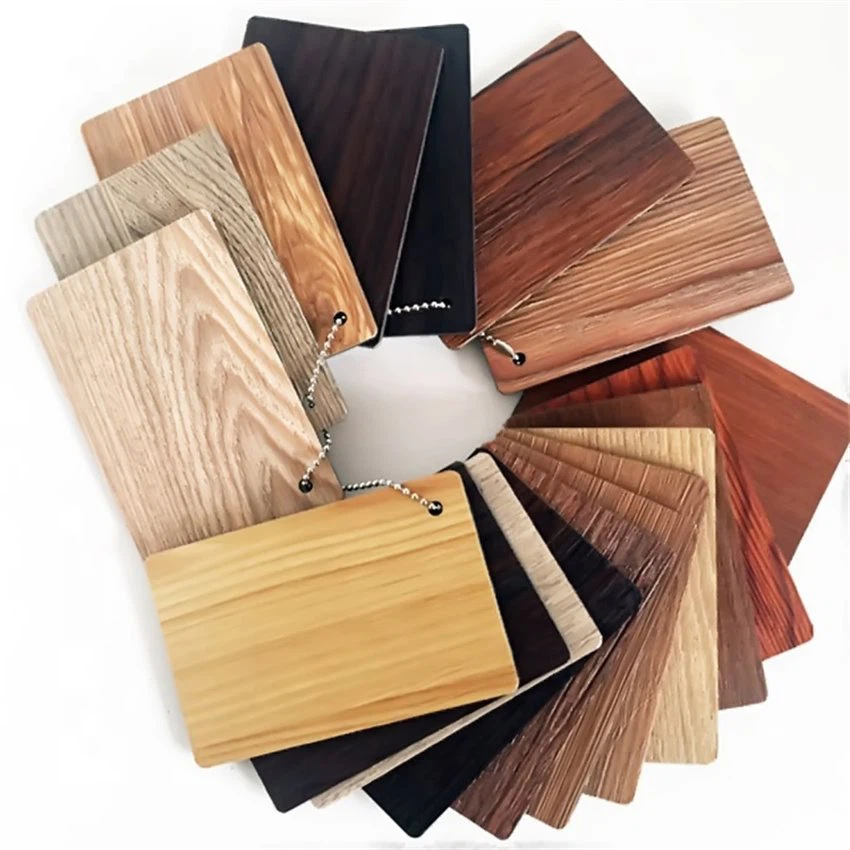
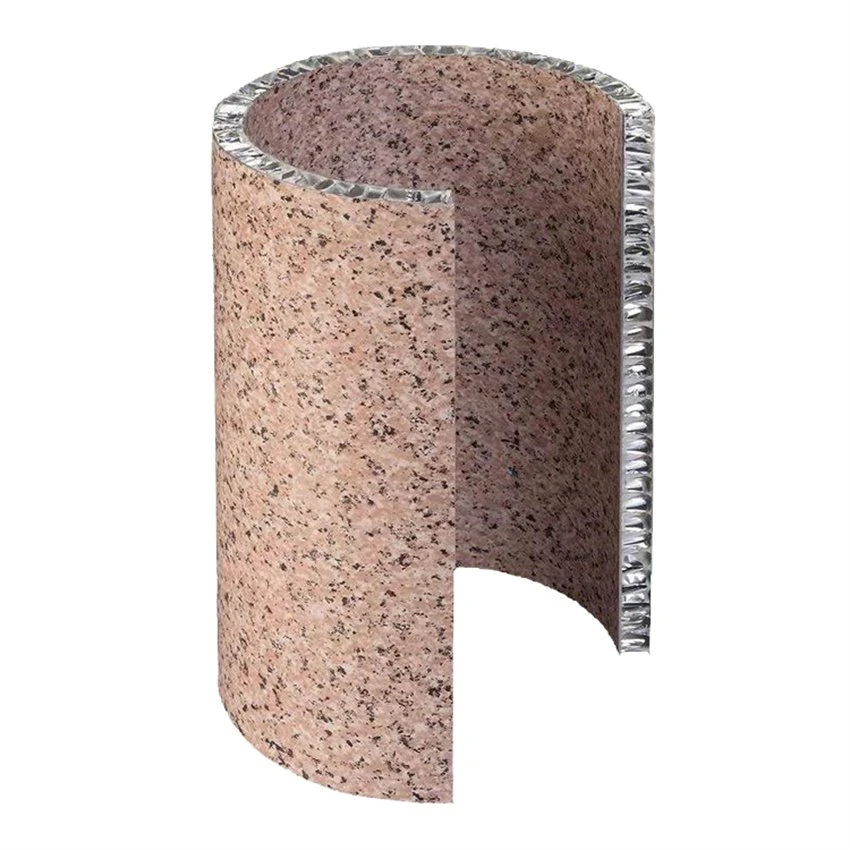
Common finishes for aluminum honeycomb panels include anodized, painted, and laminated finishes. Anodized finishes provide enhanced durability and corrosion resistance, making them suitable for exterior applications. Painted finishes offer a wide range of color options and can be customized to match specific design preferences. Laminated finishes involve bonding decorative materials such as wood veneers, stone, or composite panels to the aluminum facing sheets, providing aesthetic versatility and texture. These finishes enhance the appearance of aluminum honeycomb panels and offer protection against environmental elements, ensuring long-lasting performance and visual appeal.
Material of Aluminium Honeycomb Composite Panel
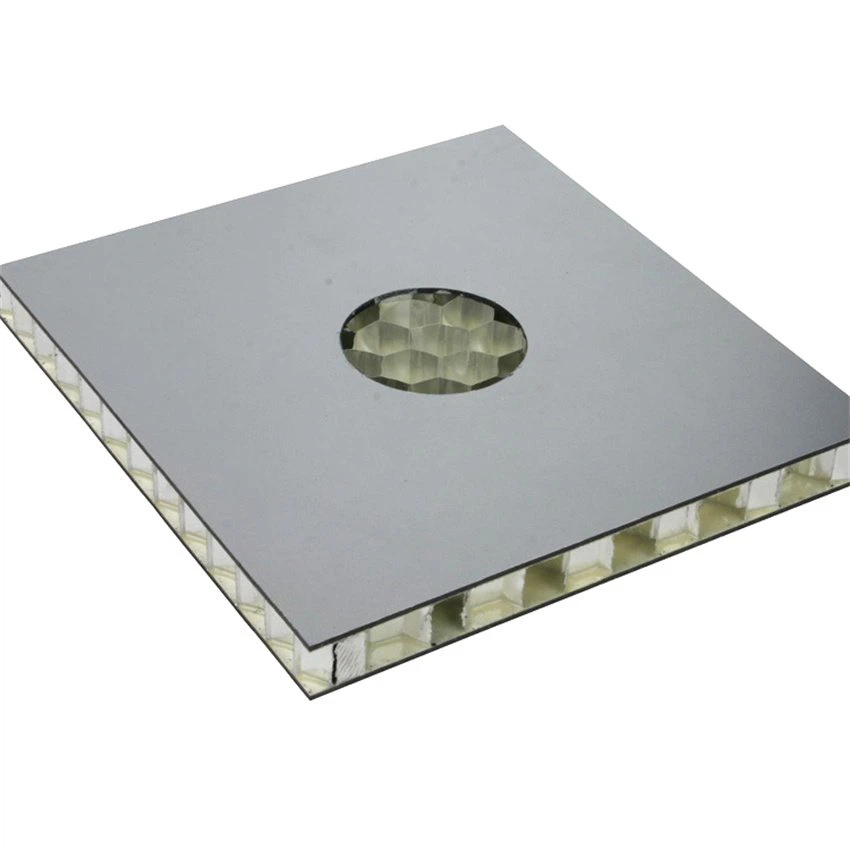
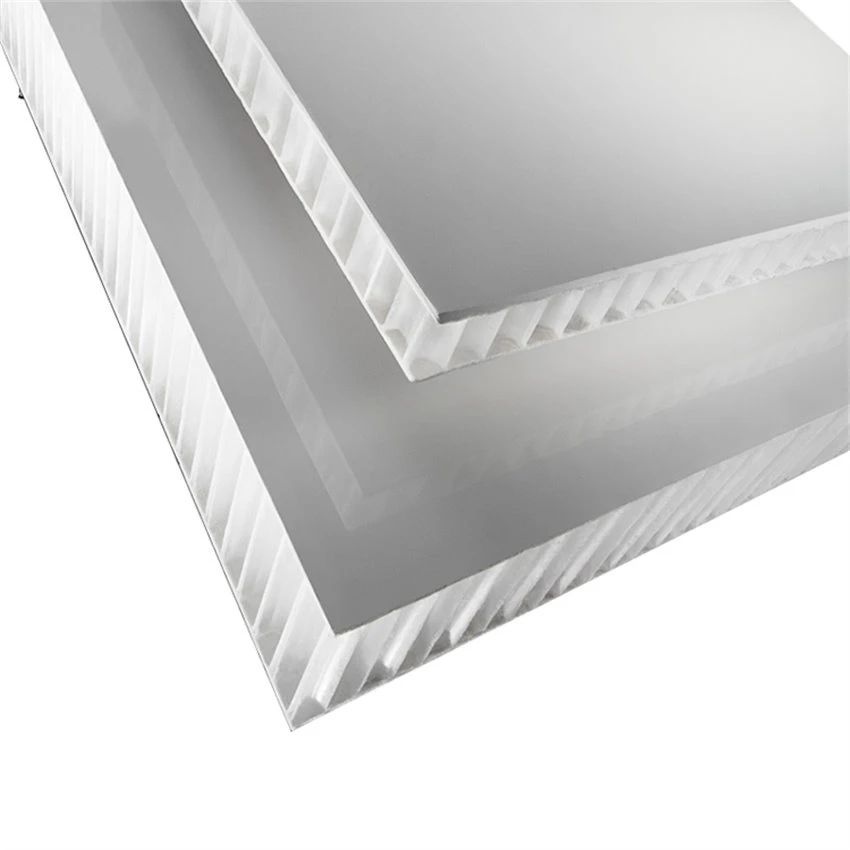
The material of aluminum honeycomb composite panels primarily consists of two thin aluminum sheets bonded to a core made of hexagonal aluminum honeycomb cells. This construction creates a lightweight yet strong panel with excellent mechanical properties. Aluminum honeycomb composite panels are widely used in various industries due to their high strength-to-weight ratio, durability, and versatility.
How are Aluminum Honeycomb Panels Manufactured?
Preparation of aluminum sheets
The process begins with the preparation of thin aluminum sheets, which will form the facing materials of the panel. These sheets are typically coated with protective finishes or primers to enhance durability and corrosion resistance.
Preparation of honeycomb core
The honeycomb core is made from aluminum or other materials such as paper or thermoplastics. The core material is fed through a machine that forms it into a series of hexagonal cells, creating the characteristic honeycomb structure. These cells are then bonded together to create a rigid core panel.
Bonding process
The prepared aluminum facing sheets are bonded to both sides of the honeycomb core using an adhesive or bonding agent. This bonding process may involve the use of heat and pressure to ensure a strong and durable bond between the facing materials and the core.
Curing
Once the facing materials are bonded to the honeycomb core, the panel is subjected to a curing process to allow the adhesive to set and harden. This may involve the use of heat or chemical curing agents, depending on the type of adhesive used.
Trimming and finishing
After curing, the aluminum honeycomb panel is trimmed to the desired size and shape using cutting tools or machinery. Any excess material is removed, and the panel edges are finished to ensure a smooth and uniform appearance.
Components of Aluminium Honeycomb Composite Panel
Aluminum honeycomb composite panels consist of three main components: facing sheets, adhesive bonding, and honeycomb core. The facing sheets, typically made of aluminum or other metals, provide the exterior surface of the panel and contribute to its aesthetic appearance, durability, and weather resistance. The adhesive bonding material is used to securely attach the facing sheets to the honeycomb core, ensuring structural integrity and stability. The honeycomb core, made of lightweight aluminum or other materials, forms the interior structure of the panel and provides strength, rigidity, and thermal insulation properties.
Application of Aluminium Honeycomb Composite Panel
Building construction
Aluminum honeycomb composite panels are used in building exteriors for façade cladding, curtain walls, and roofing systems. Their lightweight yet sturdy construction allows for easy installation and provides excellent thermal insulation and weather resistance.
Interior design
These panels are used for interior partitions, wall cladding, ceilings, and decorative elements in commercial and residential buildings. They offer aesthetic appeal, soundproofing capabilities, and durability, enhancing the interior environment.
Transportation
Aluminum honeycomb composite panels are utilized in the aerospace, automotive, rail, and marine industries. In aircraft, they contribute to weight reduction without compromising structural integrity. In automobiles, they enhance fuel efficiency and crashworthiness. In ships and trains, they offer lightweight solutions for interior fittings and structures.
Furniture and fixtures
The lightweight and rigid nature of aluminum honeycomb composite panels make them ideal for furniture manufacturing. They are used in tables, countertops, shelves, and partitions, providing strength and durability while maintaining a sleek and modern aesthetic.
Industrial applications
These panels find applications in industrial settings for machinery enclosures, equipment housings, and cleanroom partitions. Their resistance to corrosion, fire, and chemicals makes them suitable for harsh environments.
Energy sector
In renewable energy projects, such as solar panel installations and wind turbine blades, aluminum honeycomb composite panels are used for structural components due to their lightweight and durable properties.
What are the Standard Sizes for Aluminum Honeycomb Composite Panels?
Typical dimensions range from 4 feet by 8 feet (1220mm by 2440mm) to 5 feet by 10 feet (1524mm by 3050mm), with thicknesses ranging from 1/4 inch (6mm) to 2 inches (50mm). These standard sizes are commonly used in construction and architectural applications for wall cladding, ceiling panels, flooring, and partitions.
How do Aluminum Honeycomb Panels Compare in Terms of Sound Insulation?
Aluminum honeycomb panels offer excellent sound insulation properties due to the air pockets within the honeycomb core, which absorb and dampen sound waves effectively. The honeycomb structure acts as a barrier to the transmission of sound, reducing noise transfer between spaces. Aluminum facing sheets used in these panels are typically rigid and dense, further enhancing their soundproofing capabilities. This makes aluminum honeycomb panels ideal for noise control applications in buildings, transportation vehicles, and industrial facilities, contributing to improved acoustical comfort for occupants.
What are the Benefits of Using Aluminum Honeycomb Panels in Aircraft Construction?
Their lightweight nature significantly reduces overall aircraft weight, leading to improved fuel efficiency and lower operating costs. Their high strength-to-weight ratio provides structural integrity, enhancing aircraft durability and safety. The thermal insulation properties of aluminum honeycomb panels help regulate internal temperatures, ensuring passenger comfort and protecting sensitive equipment. Their resistance to corrosion and extreme environmental conditions ensures long-term performance and reliability in demanding aerospace applications. Aluminum honeycomb panels offer a combination of strength, durability, and weight savings, making them an ideal choice for aircraft construction.
Maintenance Tips for Aluminium Honeycomb Composite Panel
Regular cleaning
Clean the panels periodically to remove dust, dirt, and other debris. Use a soft brush, sponge, or cloth with mild soap and water to gently scrub the surface. Avoid abrasive cleaners or materials that could scratch or damage the panels.
Avoid harsh chemicals
Do not use harsh chemicals, solvents, or abrasive cleaners on the panels, as they can damage the surface finish and affect the appearance of the panels. Stick to mild cleaning solutions and test in an inconspicuous area before applying to the entire surface.
Inspect for damage
Regularly inspect the panels for any signs of damage, such as dents, scratches, or corrosion. Address any issues promptly to prevent further damage and maintain the integrity of the panels.
Repair or replace damaged panels
If any panels are damaged, assess the extent of the damage and determine whether repair or replacement is necessary. Minor scratches or dents can often be repaired using appropriate techniques, while severely damaged panels may need to be replaced.
Maintain proper drainage
Ensure that drainage systems, such as gutters and downspouts, are clear and functioning correctly to prevent water from pooling or accumulating on the panels. Proper drainage helps prevent water damage and extends the lifespan of the panels.
Protect from impact
Take precautions to prevent impact damage to the panels, especially in high-traffic areas or where there is a risk of impact from vehicles or equipment. Install protective barriers or bollards as needed to protect the panels from accidental damage.
Things to Note When Using Aluminium Honeycomb Composite Panel
Handling and transportation
Handle panels with care during transportation and installation to prevent damage to the facing sheets or core. Use proper lifting equipment and secure the panels to avoid bending or warping.
01
Storage conditions
Store panels in a dry, ventilated area away from direct sunlight and moisture. Avoid stacking panels directly on the ground to prevent potential water damage or deformation.
02
Panel orientation
Pay attention to directional arrows or markings on the panels to ensure uniformity and consistency. Apply protective film or covering on the facing sheets to prevent scratches, dents, or other surface damage during handling, installation, and construction activities.
03
Panel joining and sealing
Use compatible adhesives, sealants, or mechanical fasteners to join panels securely and create airtight seals at panel joints. Properly seal edges, corners, and penetrations to prevent water infiltration or air leakage.
04
How do Aluminum Honeycomb Panels Compare to Traditional Building Materials?
They have a high strength-to-weight ratio, providing exceptional structural stability while remaining lightweight. This results in reduced transportation costs and simplified installation processes. Aluminum honeycomb panels provide excellent thermal insulation and soundproofing properties, contributing to energy efficiency and occupant comfort. These panels are highly customizable, allowing for a wide range of design possibilities to suit various architectural styles and project requirements. Moreover, aluminum honeycomb panels are durable, corrosion-resistant, and environmentally friendly, making them a sustainable choice for construction projects.
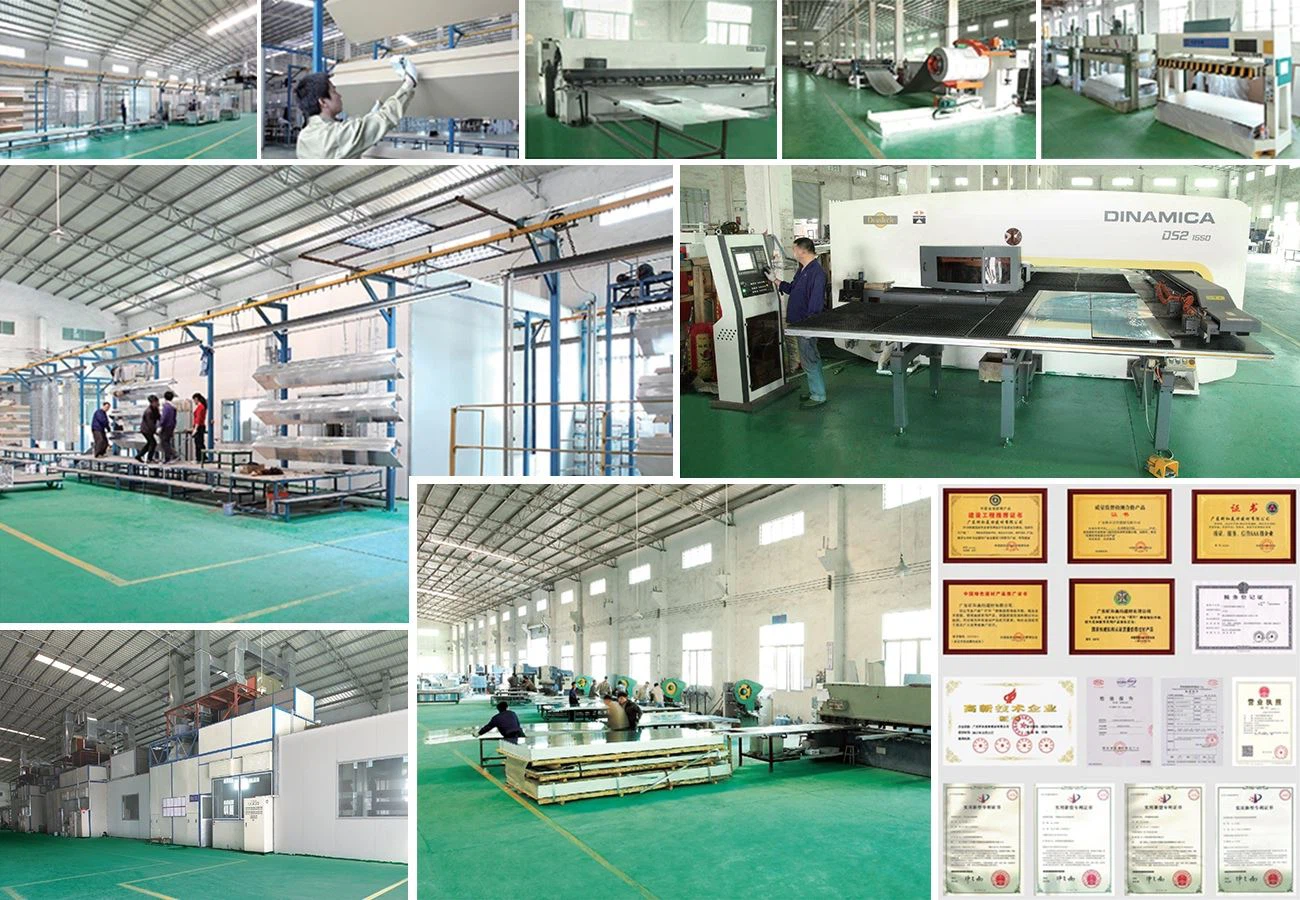
Our Factory
Headquartered in Foshan, China, Guangdong Xinhemate Building Materials Co., Ltd ('Xinhe') implements its engineering excellence through a wide range of customized interior and exterior products and services: Ceilings and claddings, facade and canopies. Equipped with advanced computer numeric control (CNC) machines that imported from German and Swizz, these facilities and people ensure complex design specifications are implemented as per schedule. Xinhe is always doing her best to meet the increasing needs and requirements of the global building and construction industry.

FAQ
Q: What is the primary purpose of aluminum honeycomb composite panels?
Q: How does the aluminum honeycomb core contribute to the panel's performance?
Q: What are some common applications for aluminum honeycomb composite panels?
Q: Are aluminum honeycomb composite panels environmentally friendly?
Q: Can aluminum honeycomb composite panels be customized?
Q: What is the fire resistance rating of aluminum honeycomb composite panels?
Q: How are aluminum honeycomb composite panels installed?
Q: What maintenance is required for aluminum honeycomb composite panels?
Q: How do aluminum honeycomb composite panels handle exposure to extreme weather conditions?
Q: What is the thermal conductivity of aluminum honeycomb composite panels?
Q: Can aluminum honeycomb composite panels be recycled?
Q: What is the typical lifespan of an aluminum honeycomb composite panel?
Q: How do aluminum honeycomb composite panels compare to other lightweight materials like carbon fiber or fiberglass?
Q: Can aluminum honeycomb composite panels be used in load-bearing applications?
Q: What types of finishes are available for aluminum honeycomb composite panels?
Q: How do aluminum honeycomb composite panels perform in dynamic environments such as earthquakes or high winds?
Q: Can aluminum honeycomb composite panels be used for interior applications?
Q: How do aluminum honeycomb composite panels contribute to energy efficiency in buildings?
Q: Can aluminum honeycomb composite panels be used in conjunction with other insulation materials?
Q: What types of facing materials are available for aluminum honeycomb composite panels?