

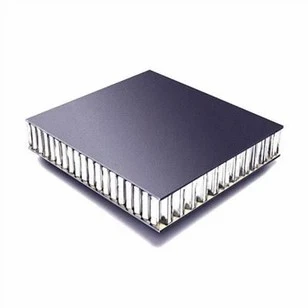
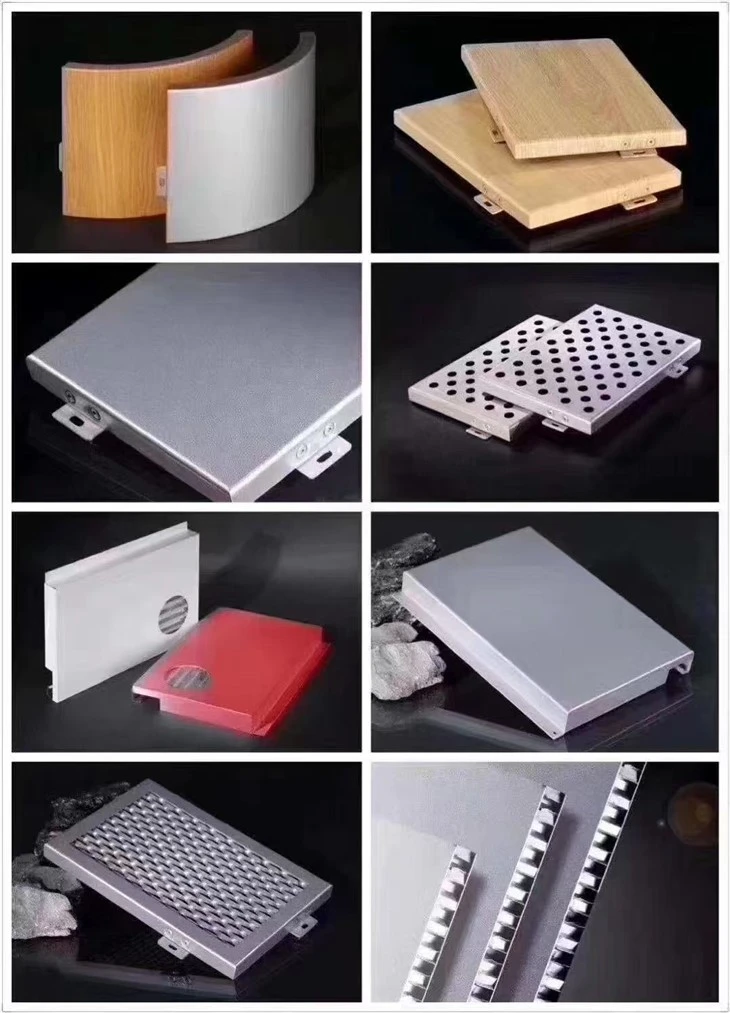
Honeycomb insulation panels are lightweight structural panels used for thermal and acoustic insulation in various applications. This unique structure provides excellent strength-to-weight ratios, making honeycomb insulation panels ideal for applications where weight savings are critical, such as aerospace, transportation, and building construction. The honeycomb core creates air pockets that trap heat or sound waves, providing effective insulation against thermal transfer and noise transmission. These panels can be engineered to meet specific fire resistance, acoustic, and thermal performance standards, making them versatile for a wide range of environments and uses.
Advantages of Honeycomb Insulation Panels
High strength-to-weight ratio
Honeycomb insulation panels offer an exceptional strength-to-weight ratio due to their unique construction. The honeycomb core provides structural integrity while keeping the overall weight of the panel low. This makes them ideal for applications where weight savings are critical, such as aerospace, automotive, and marine industries.
Excellent thermal insulation
Honeycomb insulation panels provide effective thermal insulation by trapping air within the honeycomb cells. This creates a barrier that reduces heat transfer, helping to maintain stable temperatures inside buildings or structures. As a result, honeycomb insulation panels contribute to energy efficiency and can help reduce heating and cooling costs.
Superior acoustic insulation
The air pockets within the honeycomb core of insulation panels also act as sound barriers, effectively absorbing and dampening sound waves. This makes honeycomb insulation panels ideal for noise control applications, such as in recording studios, theaters, offices, and industrial facilities, where reducing noise transmission is essential for comfort and productivity.
Versatility
Honeycomb insulation panels are versatile and can be used in a wide range of applications. They are commonly used in building construction for wall insulation, ceiling panels, and flooring underlayment. Additionally, they are used in transportation vehicles, such as aircraft, trains, and ships, for thermal and acoustic insulation. Honeycomb panels are also used in industrial applications for thermal barriers, vibration damping, and structural reinforcement.
Moisture resistance
Honeycomb insulation panels are resistant to moisture, making them suitable for use in humid environments or areas prone to moisture exposure. The facing materials used in the panels are often moisture-resistant, providing additional protection against water infiltration and damage. This makes honeycomb insulation panels durable and long-lasting, even in challenging environmental conditions.
Fire resistance
Many honeycomb insulation panels are manufactured with fire-resistant facing materials, providing added protection against fire hazards. These panels meet fire safety standards and regulations, making them suitable for use in buildings and structures where fire resistance is required. Additionally, the non-combustible nature of the honeycomb core helps prevent the spread of flames, enhancing overall safety.




Why Choose Us
Quality control
We have professional personnel to monitor the production process, inspect the products and ensure that the final product meets the required quality level standards, guidelines and specifications.
Rich production experience
Our company has many years of production work experience. The concept of customer-oriented and win-win cooperation makes the company more mature and stronger.
One-stop solution
We can offer a range of services, from consultation and advice to product design and delivery. It is a convenience for the customers, as they can get all the help they need in one place.
24H online service
Our terms of work have always been fixed within the work process and one can be assured about the guarantee of the work as we are there 24/7 business hours during the time your project is being worked is on.
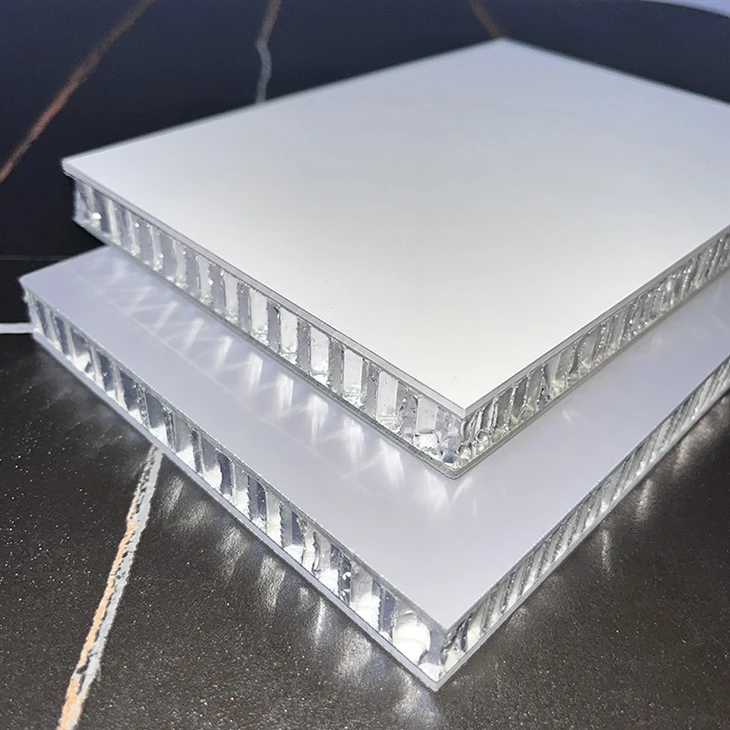
How Does the Structure of Honeycomb Panels Enhance Their Insulation Properties?
The structure of honeycomb panels enhances their insulation properties by creating a series of air pockets within the honeycomb core. These air pockets act as barriers that reduce heat transfer and dampen sound waves, providing effective thermal and acoustic insulation. The honeycomb structure maximizes the surface area-to-volume ratio, allowing for a greater amount of air to be trapped within the cells. This trapped air acts as a buffer against heat flow and sound transmission, resulting in improved energy efficiency and noise reduction. The lightweight construction of honeycomb panels minimizes heat conduction through the material, further enhancing their insulation capabilities. The unique structure of honeycomb panels optimizes their performance as insulation materials in various applications.
What is the R-Value of Honeycomb Insulation Panels?
The R-value of honeycomb insulation panels varies depending on factors such as the thickness of the panels, the materials used in the construction, and the specific application. Honeycomb insulation panels provide moderate to high thermal resistance, with R-values typically ranging from R-3 to R-6 per inch of thickness. However, it's essential to note that the R-value alone may not fully capture the thermal performance of honeycomb insulation panels, as other factors such as air leakage and thermal bridging also influence overall energy efficiency.
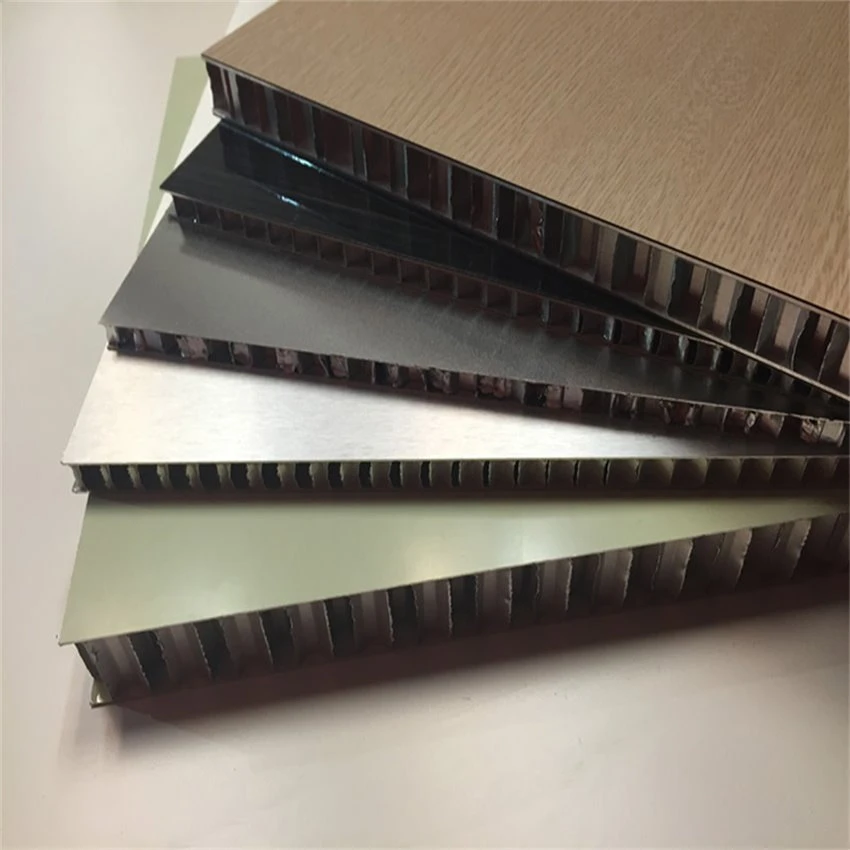
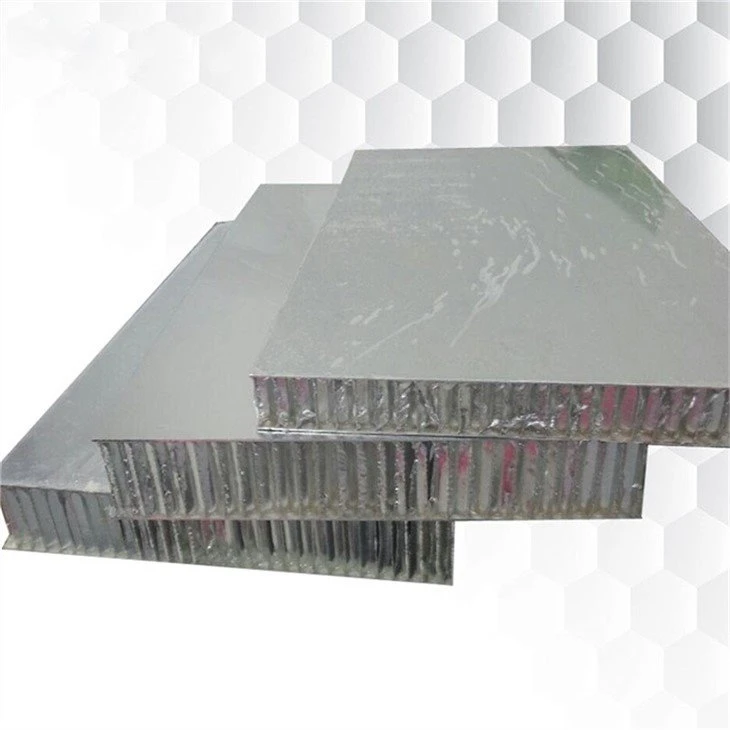
How do Honeycomb Insulation Panels Perform in Humid Environments?
Honeycomb insulation panels perform well in humid environments due to their moisture-resistant properties. The facing materials used in the panels are often chosen for their ability to withstand moisture, preventing water infiltration and damage. Additionally, the honeycomb core itself is resistant to moisture absorption, maintaining its structural integrity even in high-humidity conditions. This makes honeycomb insulation panels suitable for use in humid environments, such as tropical climates or areas prone to moisture exposure, without compromising their thermal and acoustic insulation capabilities.
Are Honeycomb Insulation Panels Resistant to Mold And Mildew?
Honeycomb insulation panels are typically resistant to mold and mildew due to their construction and materials. The facing materials used in honeycomb panels are often moisture-resistant, preventing water absorption and creating an environment that is less conducive to mold and mildew growth. Additionally, the honeycomb core itself does not provide organic material for mold and mildew to thrive on, further reducing the risk of growth. However, proper installation and maintenance practices are essential to ensure continued resistance to mold and mildew. Regular inspections and cleaning to remove any dirt, debris, or moisture accumulation can help maintain the integrity and performance of honeycomb insulation panels over time.
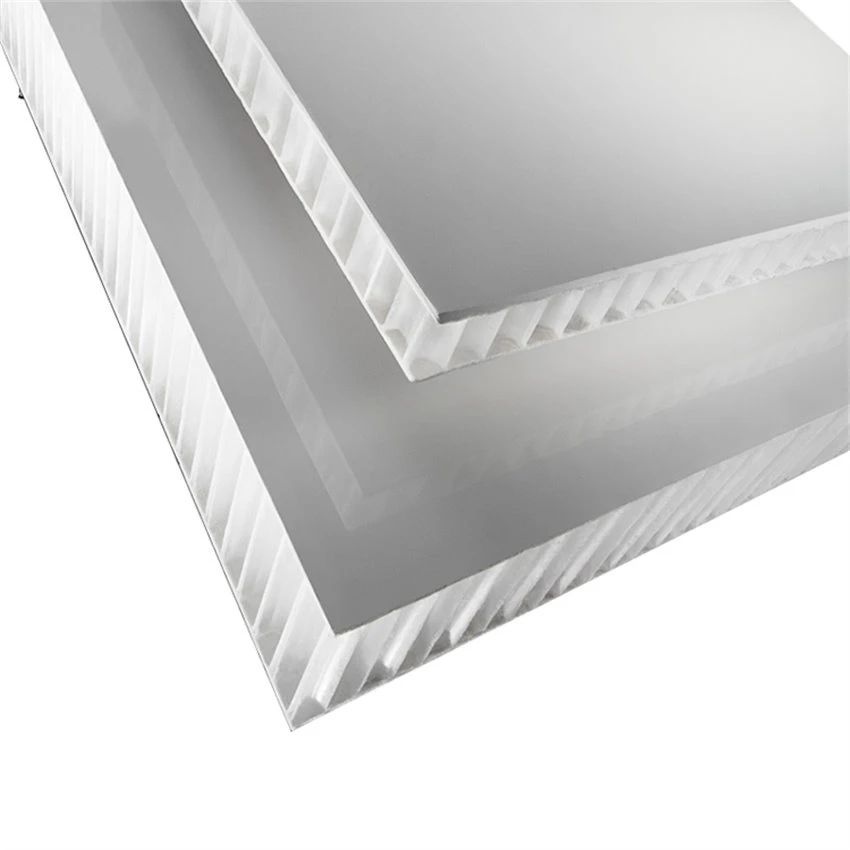
How do Honeycomb Insulation Panels Handle Thermal Expansion and Contraction?
Honeycomb insulation panels are designed to accommodate thermal expansion and contraction effectively due to their lightweight and flexible construction. The honeycomb core's structure allows for the absorption and distribution of thermal stress, reducing the risk of deformation or damage to the panels. The facing materials used in honeycomb panels are often chosen for their thermal stability, further enhancing their ability to withstand temperature fluctuations without compromising structural integrity. This enables honeycomb insulation panels to maintain their dimensional stability and insulation performance over a wide range of temperatures, making them suitable for use in environments with varying thermal conditions.
How are Honeycomb Insulation Panels Installed?
Surface preparation
Ensure that the surface where the panels will be installed is clean, dry, and free of debris. This may involve cleaning the surface and repairing any damage or irregularities to create a smooth and even substrate for the panels.
Measurement and cutting
Measure the dimensions of the area where the panels will be installed and carefully cut the panels to fit using appropriate tools such as a saw, knife, or shears. Take into account any necessary allowances for expansion, contraction, or other factors.
Adhesive application
Apply adhesive to the back of the panels or directly onto the substrate following the manufacturer's instructions. Use a suitable adhesive recommended for the specific facing material and substrate to ensure proper adhesion..
Panel installation
Carefully place the panels onto the prepared surface, aligning them properly and pressing them firmly into place to ensure good contact with the adhesive. Use spacers or temporary supports as needed to maintain alignment and prevent shifting during installation.
Fastening
Depending on the installation method and application requirements, fasten the panels securely to the substrate using mechanical fasteners such as screws, bolts, or rivets. Follow the recommended spacing and placement guidelines provided by the manufacturer.
Sealing and finishing
Seal the joints and edges of the panels using appropriate sealants or tapes to prevent air leakage and ensure airtightness. Finish the installation by trimming any excess material, applying edge trims or molding as desired, and cleaning the surface to remove any debris or adhesive residue.
Inspection and testing
Once the panels are installed, visually inspect the installation for any defects, gaps, or inconsistencies. Test the performance of the insulation by monitoring temperature or conducting acoustic tests to verify that the desired thermal and acoustic properties are achieved.
Material of Honeycomb Insulation Panels
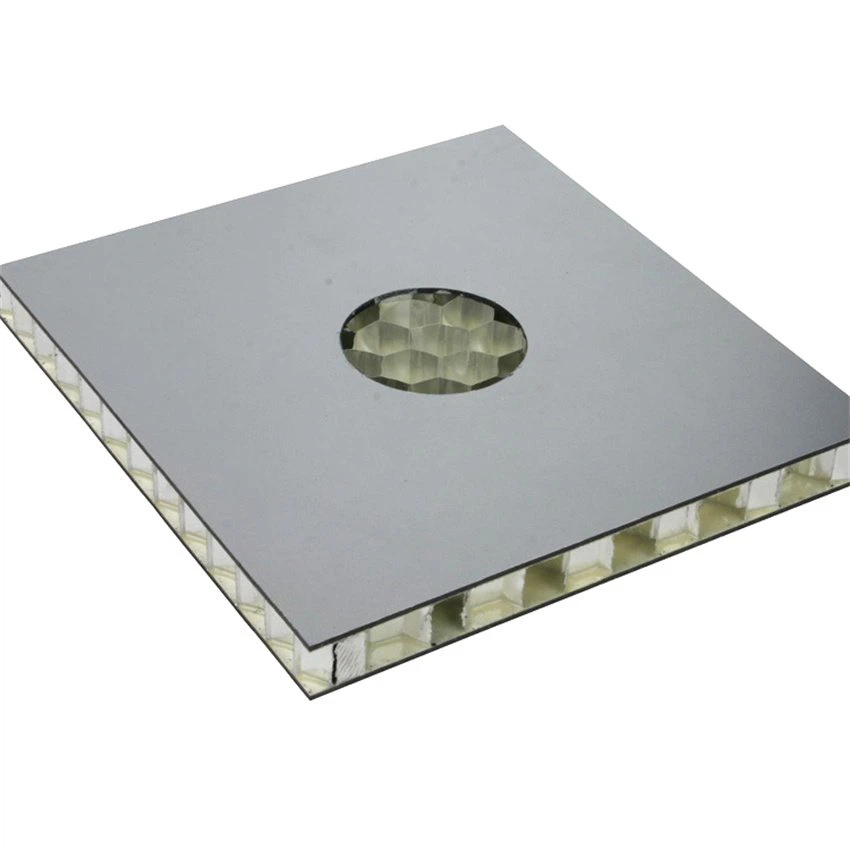
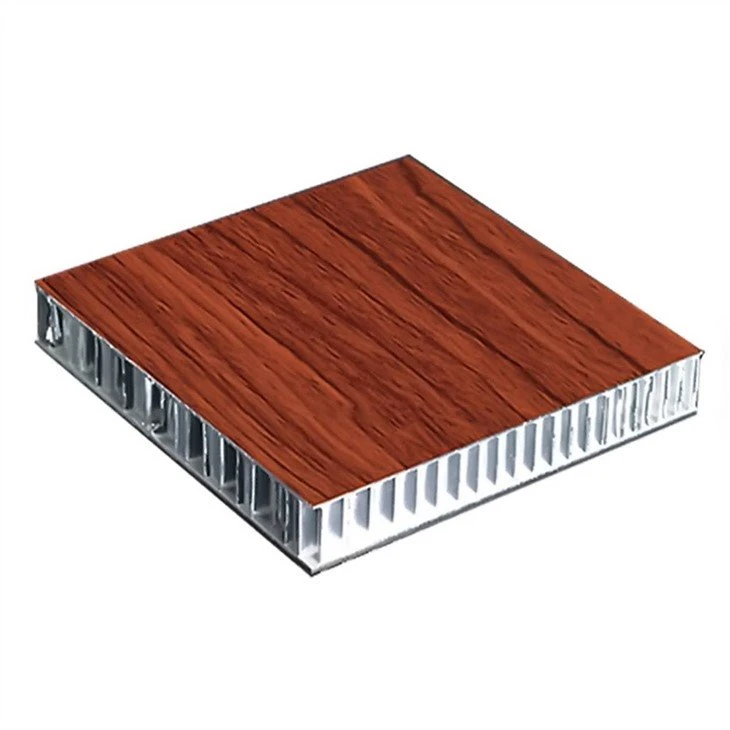
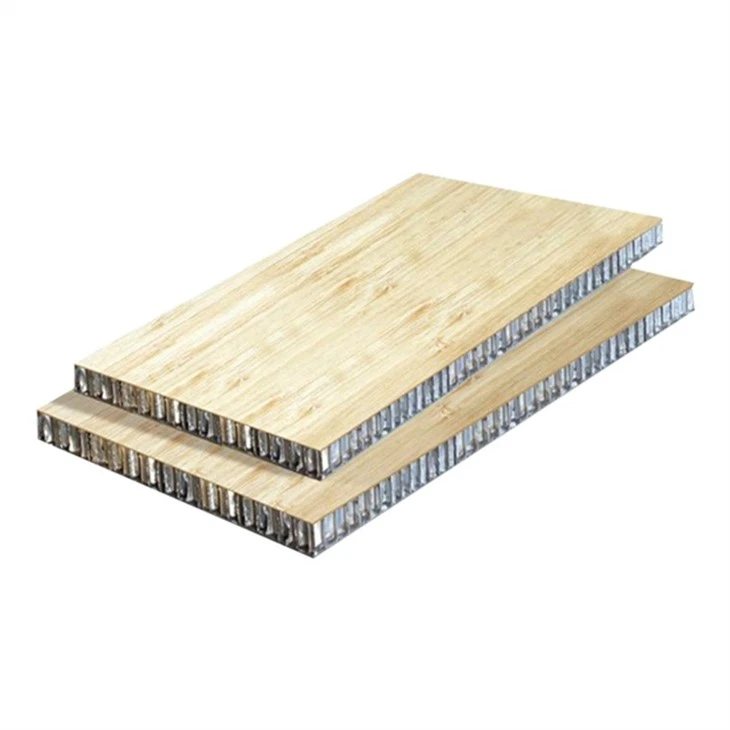
Honeycomb insulation panels are typically constructed with a lightweight honeycomb core made from materials such as aluminum, paper, or thermoplastics. This core is sandwiched between facing materials such as aluminum, fiberglass, or steel, providing structural integrity and insulation properties. The choice of materials for both the core and facing layers depends on the specific application requirements, including desired strength, thermal insulation, acoustic insulation, moisture resistance, and fire resistance.
Do Honeycomb Insulation Panels Provide Soundproofing Benefits?
Honeycomb insulation panels provide significant soundproofing benefits due to their unique structure. The honeycomb core of these panels creates air pockets that effectively absorb and dampen sound waves, reducing noise transmission between spaces. The facing materials used in honeycomb panels can further enhance their soundproofing capabilities by adding additional layers of insulation and damping materials. Honeycomb insulation panels are highly effective in minimizing sound transmission and improving acoustic comfort in various environments.
Are Honeycomb Insulation Panels Suitable for Residential Homes?
Their lightweight construction, excellent thermal and acoustic insulation properties, versatility, moisture resistance, and fire resistance make them an ideal choice for various applications within residential buildings. Honeycomb insulation panels can be used for wall insulation, ceiling panels, flooring underlayment, and other purposes to enhance energy efficiency, reduce noise transmission, and improve overall comfort. Their durability and long-lasting performance make them a practical option for homeowners seeking reliable and effective insulation solutions.
Application of Honeycomb Insulation Panels
Building construction
Honeycomb insulation panels are used in building construction for thermal insulation in walls, roofs, and floors. They provide energy efficiency by reducing heat transfer, thus lowering heating and cooling costs. Additionally, they offer acoustic insulation, improving sound control within buildings.
Transportation vehicles
These panels are widely used in aerospace, automotive, and marine industries for thermal and acoustic insulation in vehicles. In aircraft, honeycomb insulation panels help maintain comfortable cabin temperatures and reduce engine noise. In automobiles, they contribute to cabin comfort and noise reduction. In ships and boats, they provide insulation against both heat and sound.
Industrial equipment
Honeycomb insulation panels are employed in various industrial equipment and machinery to insulate against heat, cold, and noise. They are commonly used in HVAC systems, refrigeration units, and industrial ovens to maintain temperature control and reduce energy consumption.
Electronics and appliances
These panels are used in electronic devices and appliances to provide thermal insulation and protection against vibrations. They help regulate temperature and prevent overheating in electronic components, such as computer servers, telecommunications equipment, and household appliances.
Medical devices
Honeycomb insulation panels are utilized in medical equipment and devices for thermal and acoustic insulation. They help maintain stable temperatures in medical refrigerators, incubators, and laboratory equipment. Additionally, they reduce noise levels in medical imaging machines and diagnostic equipment, improving patient comfort.
Architectural interiors
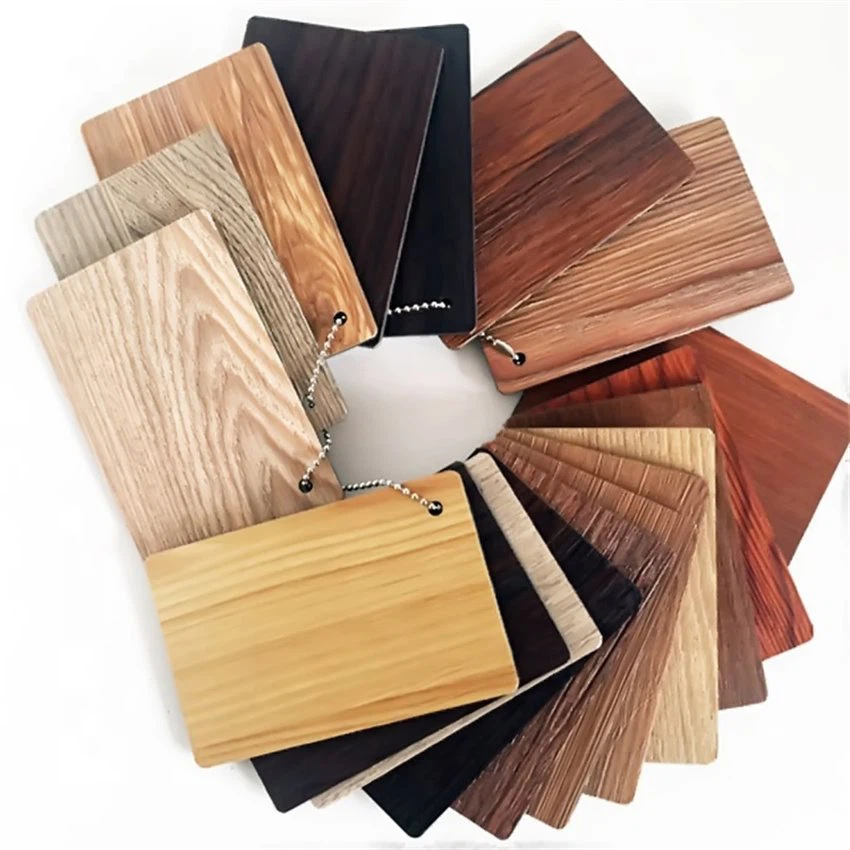
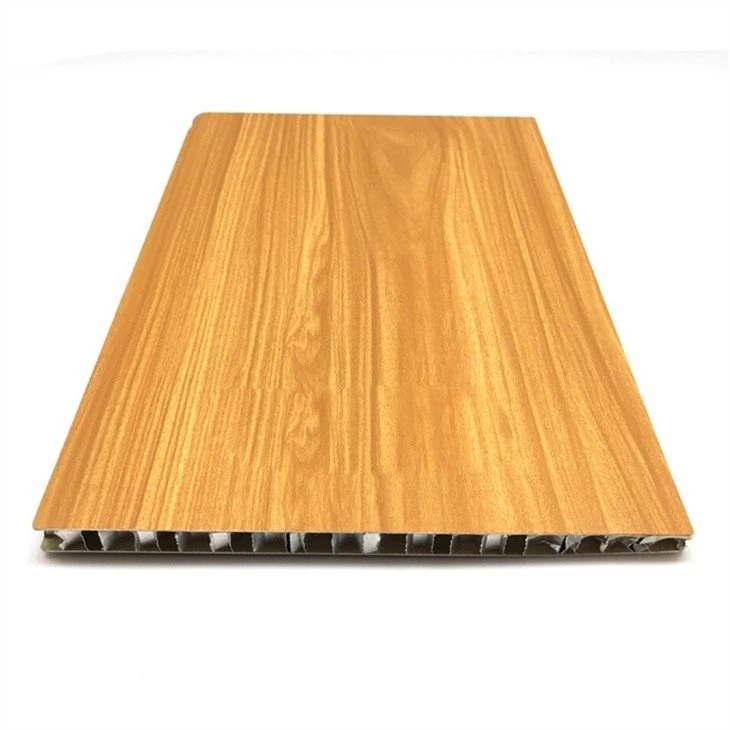
These panels are employed in architectural interiors for decorative purposes, as well as for functional applications such as partition walls and ceiling panels. They offer design flexibility and can be customized to meet aesthetic requirements while providing thermal and acoustic comfort in commercial and residential spaces.
Components of Honeycomb Insulation Panels
Honeycomb insulation panels consist of three primary components: the honeycomb core, facing materials, and adhesive bonding agents. The honeycomb core is typically made from materials such as aluminum, paper, or thermoplastics, and is characterized by a hexagonal cell structure that creates air pockets. These air pockets provide thermal and acoustic insulation properties. Facing materials, which can include aluminum, fiberglass, or steel sheets, are bonded to both sides of the honeycomb core to provide structural support, protection, and additional insulation. Adhesive bonding agents are used to securely bond the facing materials to the honeycomb core, ensuring a strong and durable panel structure.
Process of Honeycomb Insulation Panels
Material selection
The process begins with selecting the materials for the facing sheets and the core material. The facing sheets are typically made from materials such as aluminum, fiberglass, or steel, while the core material is usually a lightweight material like aluminum, paper, or thermoplastics.
Preparation of facing sheets
The facing sheets are prepared by cutting them to the desired size and shape. Depending on the application and specific requirements, the facing sheets may undergo additional treatments such as surface cleaning, coating, or bonding to enhance their properties.
Formation of honeycomb core
The honeycomb core is formed using a process called corrugation or extrusion. In corrugation, flat sheets of core material are passed through rollers with a pattern of ridges and valleys, creating a series of interconnected cells in a hexagonal or similar shape. In extrusion, the core material is forced through a die with a honeycomb-shaped opening to form the cells.
Bonding of facing sheets and core
Once the facing sheets and honeycomb core are prepared, they are bonded together to form the honeycomb insulation panel. This bonding process typically involves applying adhesive or bonding agents to the facing sheets and then sandwiching the honeycomb core between them. The assembly is then pressed together under controlled pressure and temperature conditions to ensure proper bonding.
Curing and cutting
After bonding, the honeycomb insulation panel undergoes a curing process to allow the adhesive to set and bond the facing sheets and core together effectively. Once cured, the panel may be cut to the desired size and shape using cutting tools or machinery, depending on the specific requirements of the application.
Finishing
The honeycomb insulation panels may undergo finishing processes such as surface treatment, coating, or painting to enhance their appearance, durability, and performance. These finishing treatments can also provide additional protection against moisture, corrosion, UV radiation, and fire hazards, depending on the requirements of the application.
How do Honeycomb Insulation Panels Compare to Traditional Insulation Materials?
Honeycomb insulation panels offer several advantages over traditional insulation materials. Unlike traditional materials like fiberglass or foam, honeycomb panels provide a high strength-to-weight ratio, making them lightweight yet structurally robust. Additionally, honeycomb panels offer superior thermal and acoustic insulation properties due to the air pockets within the honeycomb structure. This results in better energy efficiency and noise reduction compared to traditional insulation. Honeycomb panels are moisture-resistant and fire-resistant, offering added durability and safety.
How to Maintain Honeycomb Insulation Panels
Regular cleaning
Periodically clean the surface of the panels using a soft brush or cloth to remove dust, dirt, and debris. Avoid using abrasive cleaners or harsh chemicals that may damage the facing materials or protective coatings.
Inspect for damage
Conduct regular inspections of the panels to check for any signs of damage, such as dents, cracks, or delamination. Repair or replace damaged panels promptly to prevent further deterioration and maintain the integrity of the insulation system.
Address moisture issues
Ensure that the installation area is free from moisture infiltration, as prolonged exposure to moisture can damage the panels and compromise their insulation properties. Repair any leaks or water damage in the surrounding structure promptly to prevent moisture buildup.
Seal joints and edges
Inspect the joints and edges of the panels for gaps or openings that may allow air or moisture infiltration. Seal any gaps or cracks with appropriate sealants or caulking to ensure a tight seal and prevent heat or sound leakage.
Protect from physical damage
Take precautions to protect the panels from physical damage caused by impact, abrasion, or excessive pressure. Install protective barriers or guards in high-traffic areas to prevent accidental damage to the panels.
Monitor for pest infestation
Regularly inspect the panels for signs of pest infestation, such as insect or rodent activity. Implement pest control measures as needed to prevent damage to the panels and maintain a hygienic environment.
Things to Note When Using Honeycomb Insulation Panels
Handle honeycomb insulation panels with care during transportation and installation to avoid damage to the panels or their protective facing materials. Use appropriate lifting and handling equipment to prevent bending or distortion of the panels.
Store honeycomb insulation panels in a dry, well-ventilated area to prevent moisture absorption and damage. Avoid exposing the panels to direct sunlight or extreme temperatures, as this can degrade the facing materials and reduce insulation effectiveness.
Ensure that the surface where the honeycomb insulation panels will be installed is clean, flat, and free from debris or contaminants. Proper surface preparation ensures optimal adhesion and performance of adhesives or fasteners used to secure the panels in place.
Seal joints, edges, and penetrations in honeycomb insulation panels to prevent air leakage and moisture ingress. Use compatible sealants and weatherproofing materials to ensure a watertight and airtight barrier, particularly in exterior applications exposed to weather elements.
Ensure compatibility between honeycomb insulation panels and adjacent materials, such as framing systems, cladding materials, and vapor barriers. Choose materials that are compatible with the intended application and environmental conditions to prevent compatibility issues and ensure long-term performance.
Can Honeycomb Insulation Panels be Used in Conjunction With Other Insulation Materials?
Honeycomb insulation panels can be used in conjunction with other insulation materials to enhance thermal and acoustic insulation performance. Combining honeycomb panels with materials such as fiberglass, foam, or mineral wool can provide additional insulation properties and improve overall energy efficiency and soundproofing capabilities. This hybrid approach allows for customized insulation solutions tailored to specific project requirements, such as achieving higher R-values or addressing specific acoustic requirements. By integrating multiple insulation materials, designers and engineers can optimize thermal comfort, reduce energy consumption, and create environments with superior noise control.
Our Factory
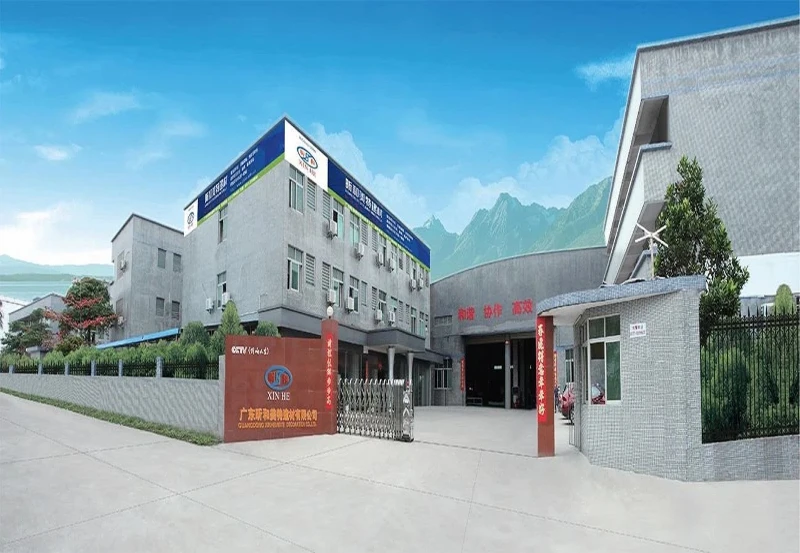
Headquartered in Foshan, China, Guangdong Xinhemate Building Materials Co., Ltd ('Xinhe') implements its engineering excellence through a wide range of customized interior and exterior products and services: Ceilings and claddings, facade and canopies. Equipped with advanced computer numeric control (CNC) machines that imported from German and Swizz, these facilities and people ensure complex design specifications are implemented as per schedule. Xinhe is always doing her best to meet the increasing needs and requirements of the global building and construction industry.

FAQ
Q: Honeycomb insulation panels - how do they work?
Q: What materials are typically used for honeycomb insulation panels?
Q: How does the structure of honeycomb panels enhance their insulation properties?
Q: Are honeycomb insulation panels eco-friendly?
Q: What are the common applications for honeycomb insulation panels?
Q: How do honeycomb insulation panels compare to traditional insulation materials?
Q: What is the R-value of honeycomb insulation panels?
Q: Can honeycomb insulation panels be used for exterior walls?
Q: How are honeycomb insulation panels installed?
Q: What are the fire resistance ratings for honeycomb insulation panels?
Q: Do honeycomb insulation panels provide soundproofing benefits?
Q: Can honeycomb insulation panels be customized in size and shape?
Q: What is the lifespan of honeycomb insulation panels?
Q: How do honeycomb insulation panels perform in humid environments?
Q: Are honeycomb insulation panels suitable for residential homes?
Q: What maintenance is required for honeycomb insulation panels?
Q: Are honeycomb insulation panels resistant to mold and mildew?
Q: How do honeycomb insulation panels affect indoor air quality?
Q: Can honeycomb insulation panels be used in conjunction with other insulation materials?
Q: How do honeycomb insulation panels compare in terms of environmental impact?